
Crimson Desert's 2-Million-Copy Paradox: Why Gamers Aren't Impressed
Two million copies in sixteen hours. By any measure, Crimson Desert's launch on March 19, 2026 should have been a victory lap for Pearl Abyss. Seven years of development, an estimated 200 billion won (roughly $135 million) in production costs, and the kind of pre-release hype that makes marketing departments weep with joy — it all translated into a commercial rocket ship on day one.
And then the Steam reviews rolled in.
Within the first 12 hours, nearly 5,000 negative reviews had piled up, dragging Crimson Desert's rating down to a "Mixed" 58% across all languages. Pearl Abyss's stock cratered 29% in a single trading session. And to top it all off, players started finding AI-generated art hidden in the game's environmental props — kicking off a controversy that forced the developer into a public apology.
This is the story of 2026's most fascinating launch: a game that millions of people bought, but a surprising number of them didn't actually enjoy.
The Numbers Don't Lie (But They Don't Tell the Whole Story)
Pearl Abyss announced on March 20 that Crimson Desert had surpassed 2 million copies sold — not shipped, sold — in under 24 hours. The game hit a concurrent player peak of 239,045 on Steam at launch (later climbing to 248,510), making it one of the biggest PC launches of the year. On consoles, it launched simultaneously on PlayStation 5 and Xbox Series X|S.
Those numbers are genuinely impressive. For context, Elden Ring hit 12 million copies in its first three weeks. Crimson Desert isn't in that stratosphere, but 2 million in a single day for a new IP from a studio primarily known for Black Desert Online is a serious statement.
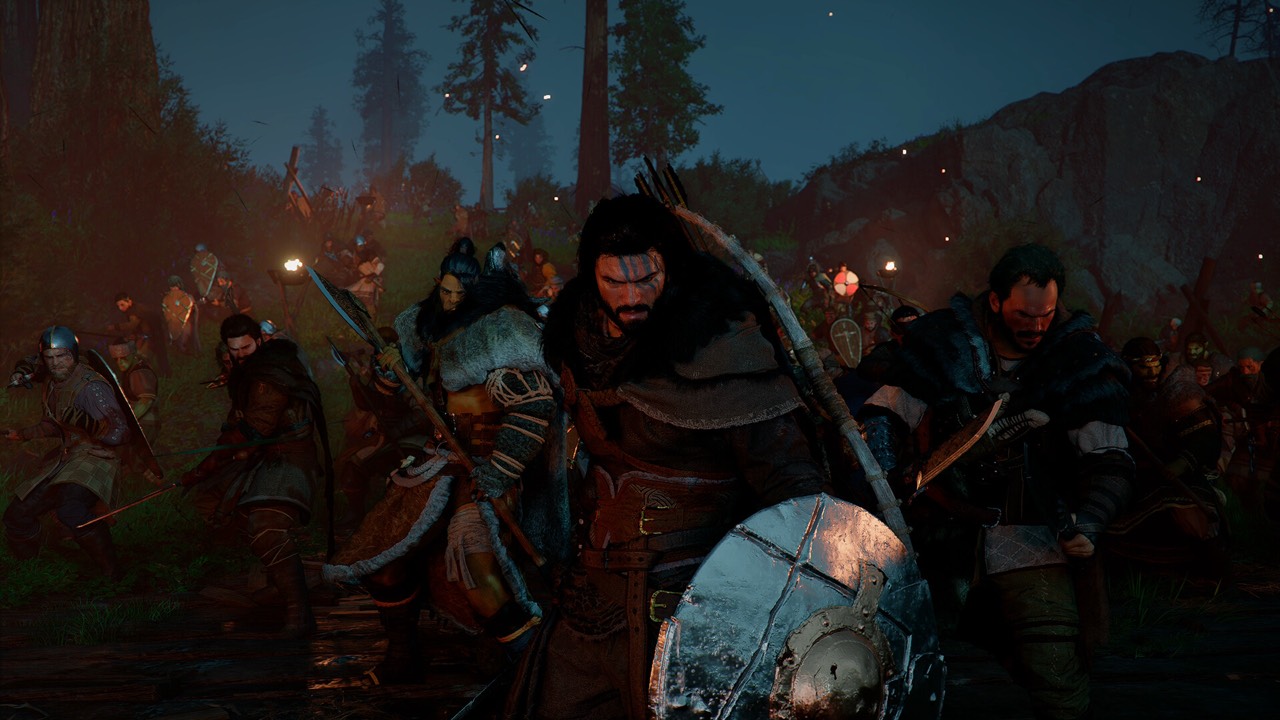
But here's where the paradox starts. Despite those sales, Crimson Desert launched with a Metacritic score of 78 and an OpenCritic score of 79. That sounds respectable until you consider that Pearl Abyss's stock market investors were expecting mid-to-high 80s. The Seoul Economic Daily reported that the share price plunged 29% on launch day alone as early review scores trickled in, with outlets like GameSpot and Eurogamer scoring the game in the 60-70 range while citing weak narrative execution and clunky controls.
A 78 Metacritic doesn't sound bad on paper. But for a game with a reported $135 million budget and seven years of development, the market expected something closer to a system seller. The gap between commercial success and critical reception created a rare disconnect — players bought the dream, but many found the reality wanting.
The Control Problem Nobody Can Ignore
If there is one complaint that unites positive and negative reviews, it's the controls. Crimson Desert's input scheme is, to put it charitably, unconventional. To put it less charitably, one Steam reviewer described them as feeling "like they were designed by some creature that doesn't have hands."
Here's the specific issue: Crimson Desert maps basic actions to bizarre button combinations. Talking to an NPC — something most RPGs handle with a single button press — requires a multi-input sequence. Attacking on a controller involves pressing a shoulder button and trigger simultaneously. One reviewer counted over 50 button combinations in the control scheme. For a genre where players expect to pick up a controller and feel at home, this is a brutal first impression.
The keyboard-and-mouse experience isn't much better. Sprint is bound to the Shift key and requires repeated tapping rather than a hold, which multiple players reported triggering Windows Sticky Keys during play sessions. Several reviews raised concerns about repetitive strain from the control layout.
Pearl Abyss's initial response didn't help. In a community post, the developer compared the learning curve to "riding a bike... it comes naturally after you learn it. Just takes a minute." Given that many players were reporting the game doesn't "click" until roughly eight hours in, that comparison landed about as well as you'd expect.
The Eight-Hour Problem
Speaking of not clicking for eight hours — that's Crimson Desert's other major structural issue. The game's opening act is, by widespread consensus, a slog. You play as Kliff, a mercenary leader trying to rebuild his Greymane faction on the continent of Pywel. The setup is promising on paper, but the early hours drown it in drawn-out cutscenes, slow-paced tutorials, and a drip-feed of mechanics that doesn't give players a reason to stay invested.
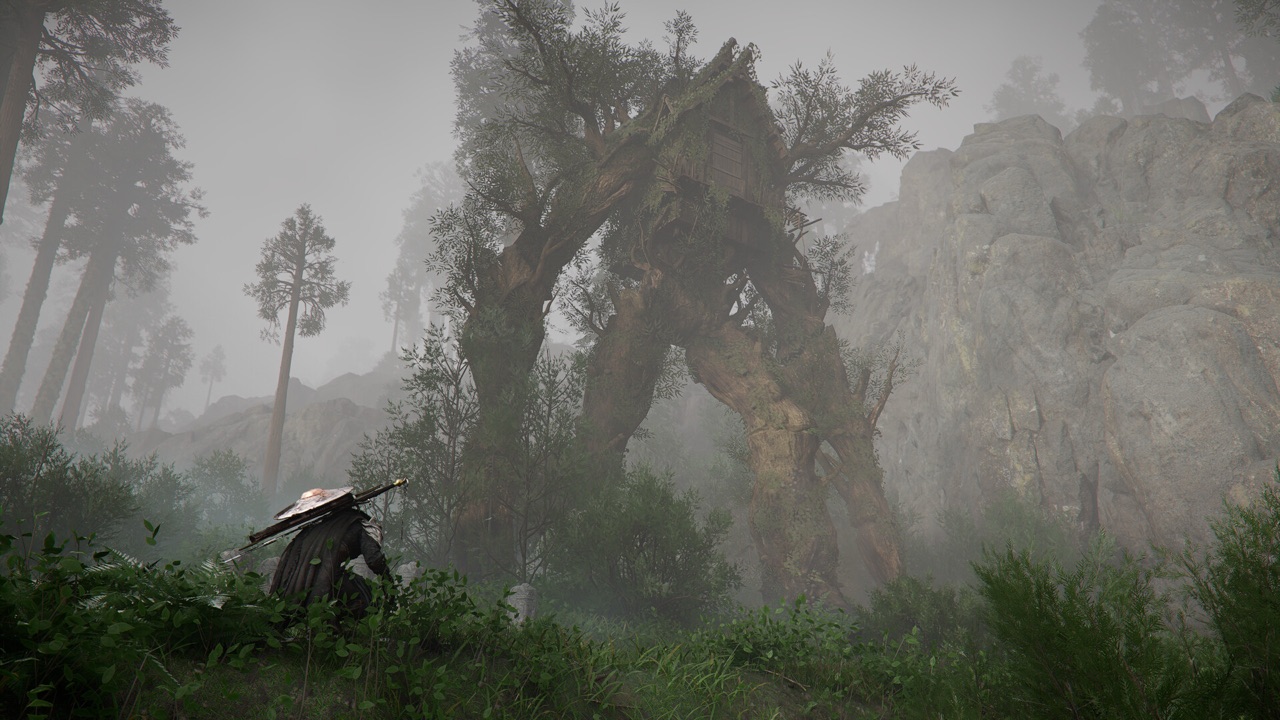
Multiple critics noted that the game transforms once the world opens up. The combat system, despite its control issues, has genuine depth. The open world is vast and visually stunning. Boss encounters are memorable and challenging. But asking players to push through eight hours of mediocre setup to reach the good stuff is a huge gamble in 2026, when Steam libraries are overflowing and refund windows are two hours.
One popular Steam review summed it up as "a cheap buffet" — massive quantity, but inconsistent quality. The inventory system was called "one of the worst I have ever seen in a AAA game." Puzzle design was described as "obtuse in a not-fun kind of way," with magical visual effects so overwhelming that players couldn't tell if they'd actually solved anything.
The Korean Reception
The reception among South Korean players was particularly harsh. Of the 2,169 Korean-language reviews on Steam, only 33% were positive. Much of this stems from lingering distrust of Pearl Abyss due to Black Desert Online's history of aggressive monetization and pay-to-win mechanics. Korean players came in skeptical, and the control issues and rocky opening hours confirmed their worst fears.
The AI Art Scandal
As if mixed reviews and plummeting stock prices weren't enough, Crimson Desert stumbled into another controversy within days of launch. Players began sharing screenshots of in-game environmental art — ornate portraits, medieval-inspired paintings on walls — that looked suspiciously AI-generated. The telltale signs were all there: mushy, indistinct faces, horses with too many limbs, anatomical inconsistencies that clashed with the game's otherwise high-quality art direction.
The discovery spread rapidly across social media and gaming forums. Players pointed out that the 2D prop art looked nothing like the quality of Crimson Desert's actual character models and environment design, creating a jarring disconnect.
Pearl Abyss's response came on March 22. In a post on X (formerly Twitter), the studio confirmed that "experimental AI generative tools" had been used to create some 2D visual props during early production. These were intended as temporary placeholders that should have been replaced before launch.
"We should have clearly disclosed our use of AI," Pearl Abyss stated. "While these tools were primarily used during early production with the expectation that assets would be replaced prior to release, this did not excuse the lack of transparency."
The fallout was immediate. Crimson Desert's Steam page was updated to include an AI-generated content disclosure — a requirement under Valve's policy that Pearl Abyss had initially failed to meet. The developer committed to a full audit of all in-game assets and promised to replace any remaining AI-generated art through upcoming patches.
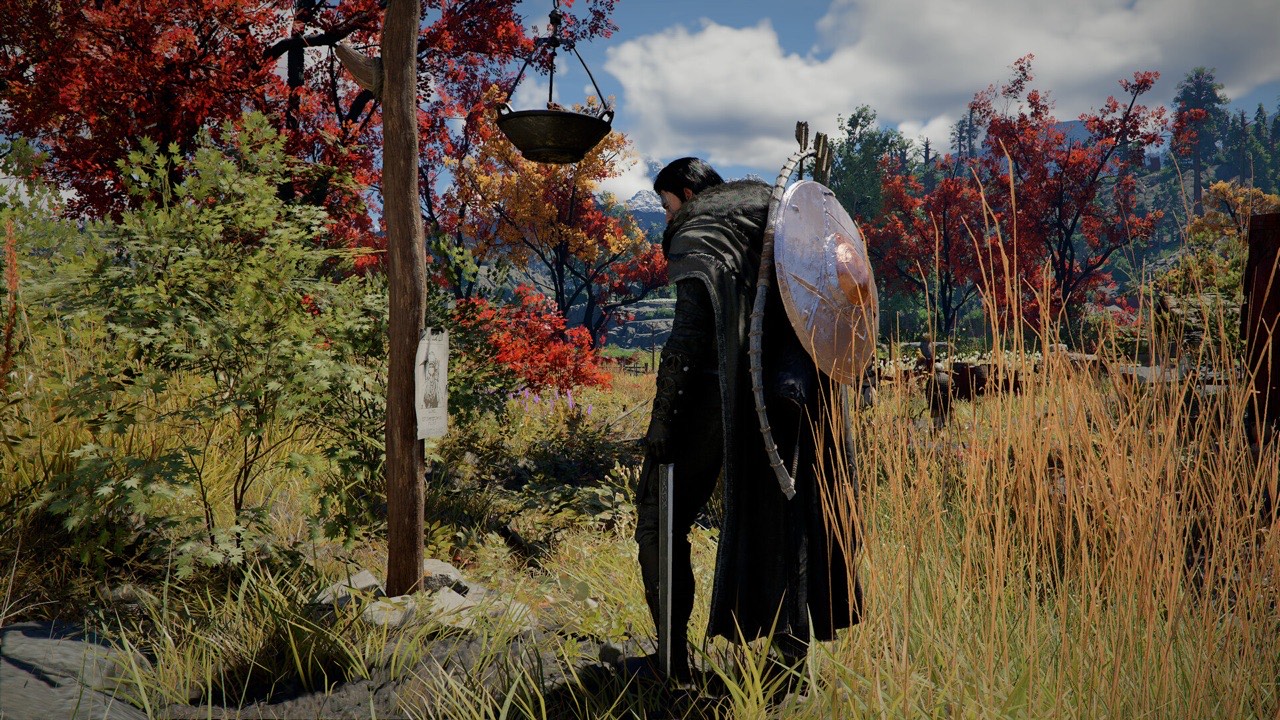
The AI art situation hit especially hard because the rest of Crimson Desert's visuals are genuinely impressive. Pearl Abyss built its reputation on Black Desert Online's character creator and environmental art — widely considered some of the best in MMOs. Finding placeholder AI art in a $70 AAA release from that same studio felt like a quality control failure that eroded trust in the product.
Pearl Abyss Fights Back: Patch 1.00.03
To Pearl Abyss's credit, the developer didn't go quiet after the rough launch. On March 23 — just four days after release — the studio shipped Update 1.00.03, a substantial patch directly targeting the loudest complaints.
The headline changes:
- Control responsiveness overhaul: Keyboard and mouse inputs received significant improvements, with the developer acknowledging that the launch controls were not up to standard
- Difficulty tuning: Health and attack values were reduced for specific enemies and bosses, stamina consumption for blocking was lowered, and the Kearush the Slayer boss fight received dedicated adjustments
- Quality-of-life additions: More Abyss Nexuses (fast travel points) were added across Pywel, and Private Storage was added at early lodgings in Hernand and Howling Hill Camp
- Console performance: PS5 players received a 120Hz toggle to address widespread complaints about blurry, low-resolution graphics
The patch notes included a message from the team: "We are currently reviewing various gameplay elements based on your feedback. This is not the end." That phrasing suggests Pearl Abyss understands the update is a first step, not a fix-all.
And there are signs the strategy is working. After launching at 58% positive reviews (all languages), Crimson Desert's Steam rating has since climbed to "Mostly Positive" territory. The speed of improvement suggests that the game underneath the rough edges has enough going for it to win players over — once those edges get sanded down.
The Black Desert Shadow
You can't fully understand Crimson Desert's reception without understanding Pearl Abyss's history. Black Desert Online, the studio's flagship MMO, launched in 2015 and built a reputation for gorgeous graphics, deep combat, and — eventually — aggressive monetization that alienated large portions of its playerbase.
BDO's endgame became synonymous with pay-to-win mechanics, RNG-gated progression, and a cash shop that felt essential rather than optional. For many players, especially in South Korea, "Pearl Abyss" became shorthand for "beautiful game, predatory business model."
Crimson Desert was supposed to be the clean break. A single-player focused, premium-priced RPG with no live-service baggage. But the clunky controls, the eight-hour ramp-up, the AI art situation — each of these issues fed into an existing narrative that Pearl Abyss can't quite deliver on its ambitions.
That 33% positive rate among Korean players isn't just about Crimson Desert. It's about years of accumulated distrust. Pearl Abyss has to fight harder than most studios for goodwill, and Crimson Desert's launch gave skeptics plenty of ammunition.
What Happens Next
Crimson Desert is far from dead. Two million copies sold is a massive financial foundation, and Pearl Abyss has demonstrated willingness to rapidly iterate on player feedback. The path from "Mixed" to "Mostly Positive" on Steam is real, and if the developer keeps shipping meaningful updates at this pace, the game's long-term reputation could look very different from its launch-week reception.
We've seen this playbook work before. No Man's Sky launched to infamously terrible reviews in 2016 and eventually became one of the most celebrated comeback stories in gaming. Cyberpunk 2077 went from a disaster to an "Overwhelmingly Positive" rating after years of patches and the Phantom Liberty expansion. The question for Crimson Desert is whether Pearl Abyss has the patience and resources to commit to that kind of long-haul recovery.
The ingredients are there. The combat, when you get past the controls, is genuinely excellent. The open world is one of the most visually ambitious environments in any RPG. The boss encounters have real spectacle. If Pearl Abyss can fix the onboarding, simplify the control scheme, and address the smaller quality-of-life issues, Crimson Desert could look like a very different game by the end of 2026.
For now, though, it remains 2026's most compelling paradox: a blockbuster hit that two million people paid for, and a significant chunk of them wish was better. That tension — between the game Pearl Abyss promised and the game it actually delivered — is the real story of Crimson Desert's launch. And how Pearl Abyss resolves it will define not just this game, but the studio's entire future.
Crimson Desert was one of the most anticipated releases we covered heading into March 2026. Its launch has certainly lived up to the drama, if not the review scores.
Sources
- Pearl Abyss announces Crimson Desert has sold more than 2 million copies in less than 24 hours — PC Gamer
- Crimson Desert Steam Reviews Are Mixed, But Agree On One Thing — Kotaku
- Crimson Desert Launches To A "Mixed" Rating On Steam — The Gamer
- Pearl Abyss Shares Plunge 29% as Crimson Desert Reviews Disappoint — Seoul Economic Daily
- Crimson Desert patch kicks off Pearl Abyss's attempt to smooth out rough controls — GamesRadar+
- Crimson Desert team apologizes after players find AI art — PC Gamer
- Crimson Desert Hears Your Complaints And Will Fix The Controls — Kotaku
- Crimson Desert Now Has 'Mostly Positive' Reviews On Steam — GameRant
- Crimson Desert hits 250,000 players with mixed Steam reviews — Windows Central
- Crimson Desert reviews average at 78 on Metacritic — NotebookCheck
- Crimson Desert developer apologizes and promises to replace AI-generated art — Engadget

Founder of GGS Blog and Site Reliability Engineer at Box. I write about gaming, AI in gaming, and game development with a technical lens — 10+ years in software engineering, 20+ years as a gamer. My work focuses on what the tech actually means for players.
Never miss a post
Subscribe to the GGS Blog newsletter for gaming news, tech insights, and AI in the game industry — delivered straight to your inbox.
Free. No spam. Unsubscribe in one click.
Comments
What to Read Next
Continue exploring our coverage of gaming, technology, and AI.
 Gaming
GTA 6 Is $80. Here's What Rockstar Still Hasn't Told You.
Rockstar confirmed GTA 6 pricing at $79.99 Standard and $99.99 Ultimate. The silence around PC, regional pricing, and GTA Online structure tells a bigger story than the price tag. Here's how to think about the $80 ask.
 Gaming
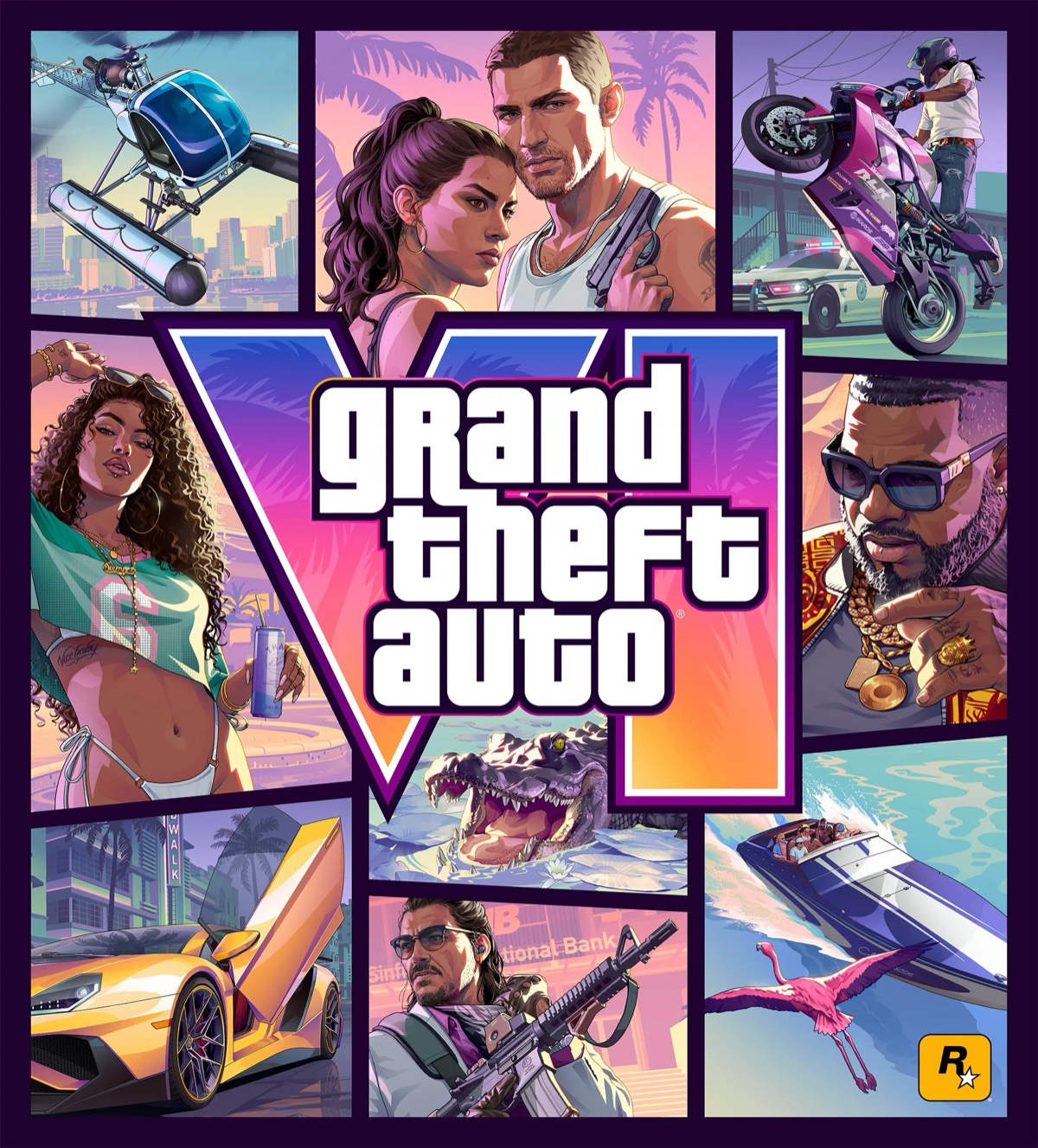
GTA 6's Cover Art Is Beautiful. June 25 Is About Something Else.
Rockstar revealed the official GTA 6 cover art on June 18, and it's a confident piece of franchise mythology. But pre-orders opening June 25 carry a question bigger than bonus content: is this the moment gaming crosses the $100 line?
 Gaming
I Hadn't Touched Spider-Man in Years, Then Spider-Man 2 Yanked Me Off the Roof
I came back to web-swinging after a long break, expecting to bounce off it. Instead I lost a whole weekend gliding over Marvel's New York and grinning like an idiot.