
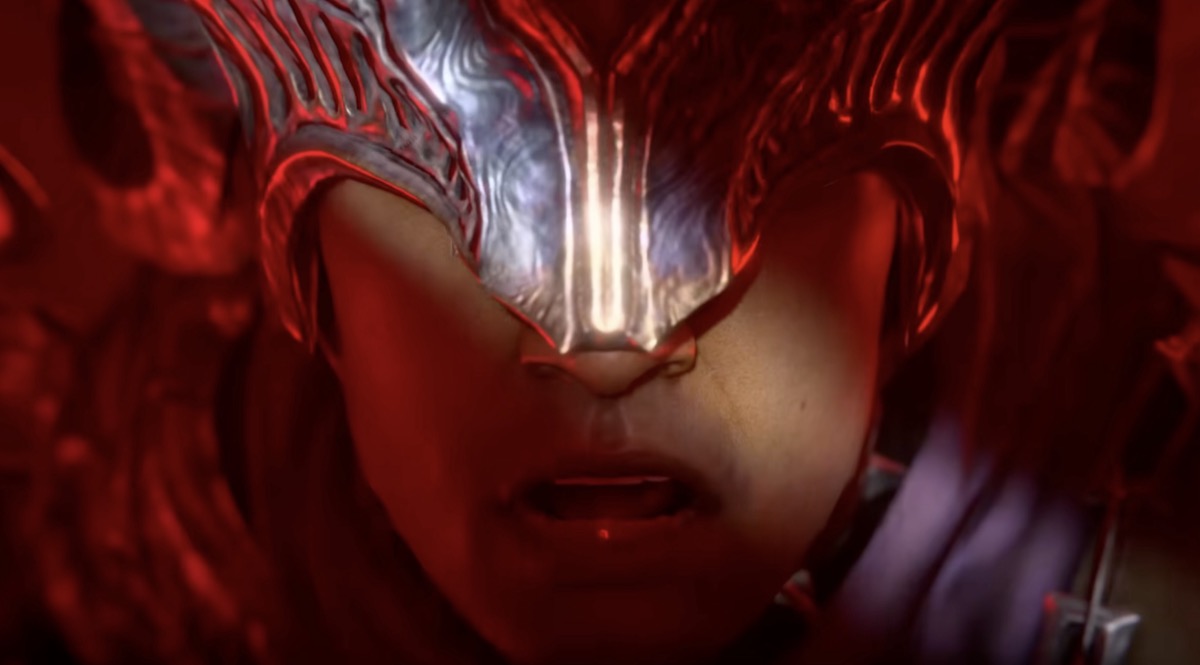
Diablo IV Built Lord of Hatred for People Like Me
The most interesting thing about Lord of Hatred isn't the new classes, the Metacritic score, or the Mediterranean-inspired zone. It's the marketing positioning. Every piece of Blizzard's communication around this expansion — the trailers, the preview language, the BlizzardWatch review that called it "recommended for players who enjoyed original Diablo 4 but burned out on seasonal grinds" — is aimed squarely at one audience: the people who left.
Blizzard built this expansion for lapsed players. That's a specific, deliberate choice. And I'm one of them — which is why I spent the last week asking whether it's actually earned.
Why We Left in the First Place
My relationship with Diablo IV follows a familiar arc. The base game hooked me. The dark tone, the weight of the combat, the campfire cutscenes — the opening sequence through Fractured Peaks is still some of the best atmospheric work Blizzard has done in years. I logged serious hours through launch, hit the endgame grind, and then Season 1 arrived.
Season 1 stumbled. The seasonal mechanic was weak, the itemization felt bloated in all the wrong ways, and the endgame was a hamster wheel with no meaningful destination. I stepped away. Season 2 recovered, but I'd lost the thread. Season 3 regressed again. By that point, I'd moved on.
The pattern matters because it frames what Blizzard had to fix. This wasn't a case of "the game was bad." The core gameplay loop was excellent. The problem was the seasonal structure punishing engagement — you had to log in on Blizzard's schedule, grind a specific mechanic that may or may not have been fun, and if you missed a season, you'd fallen behind a progression curve built on systems that kept changing under your feet.
Season 4 apparently broke that pattern — a Steam concurrent player record, a complete itemization overhaul — but I wasn't around to see it. Vessel of Hatred in October 2024 drove another record despite mixed story reception. I still didn't come back. The trailer for Lord of Hatred pulled me back to the conversation.
What the Expansion Actually Delivers
Two new classes headline the content list. The Paladin is a Diablo II returnee with an "Arbiter Form" transformation that shifts the entire playstyle — not just a reskinned Crusader. The fantasy is a holy warrior who eventually becomes something more than human, a judge of the divine whose power fundamentally changes form at peak expression. Reviewers who've spent time with it describe the transformation window as a strategic layer, not a visual flourish.
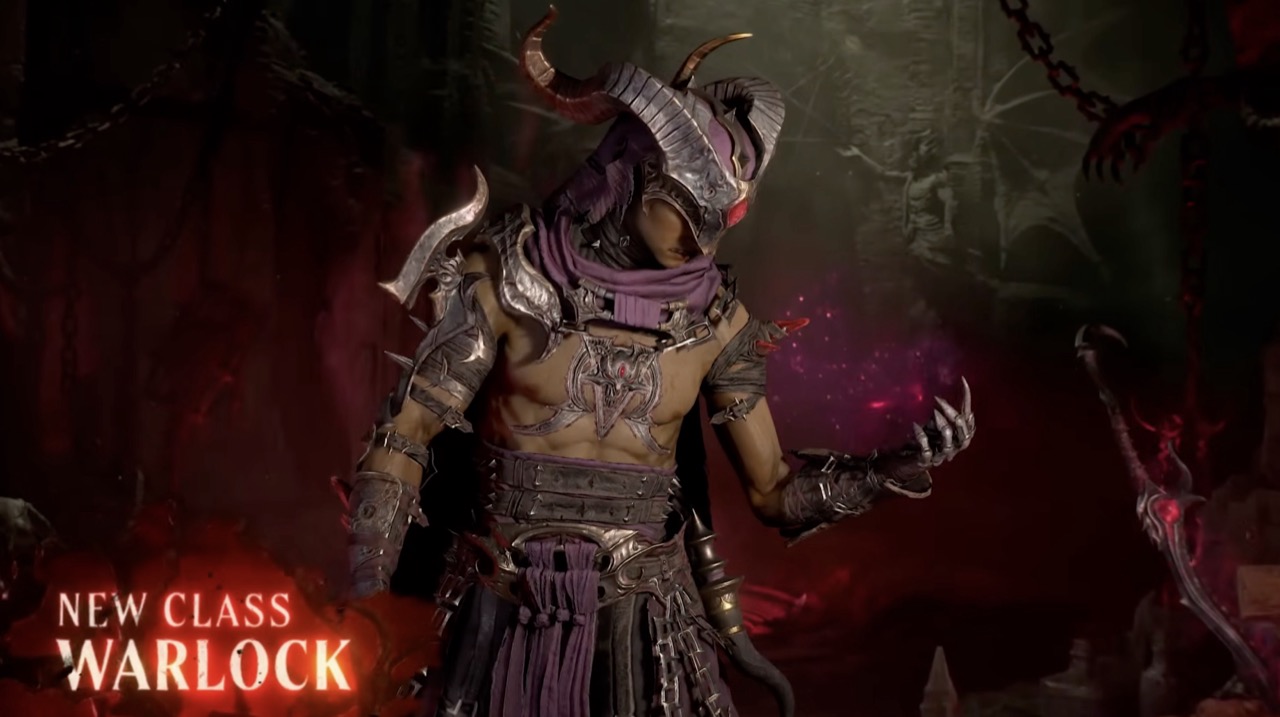
The Warlock is the new addition: a dark caster who draws power through sacrifice, explicitly distinguished from the Necromancer's death-magic toolkit. Where the Necromancer manipulates corpses and armies of the dead, the Warlock makes bargains — with demons, with dark forces, with the cost of its own survival. Early reviewers describe it as the most mechanically distinct class addition the game has seen, the fantasy distinct from anything currently in the base roster.
The new zone is Skovos Isles — the Mediterranean-inspired birthplace of Sanctuary's firstborn civilization, with hub city Temis as the home base. After two expansions set in cold northern climates (Nahantu being the partial exception), the visual shift registers immediately. Ancient ruins baked by sun, a corrupted sea, architecture that looks nothing like the gothic European aesthetic the franchise has leaned on for thirty years. The Icy Veins overview describes it as the most visually distinct zone in the game's history.
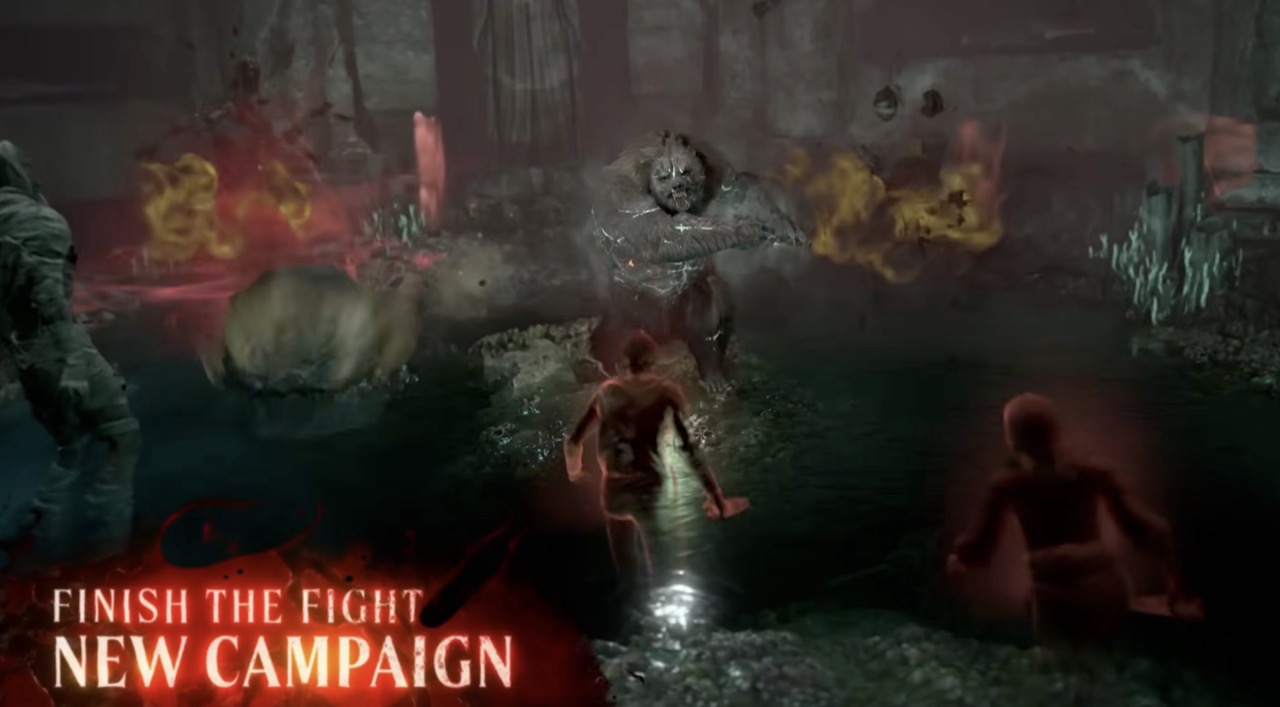
The systems additions are where Lord of Hatred is trying to answer the lapsed player complaint list directly.
War Plans is the new endgame framework: you craft a path through five activities, choose your order, and apply modifiers to each. The design is a direct response to the old endgame's mandatory cadence — specific dungeons, specific bosses, specific timings, or you were playing inefficiently. War Plans hands you agency over the path you walk. The question isn't whether that's better in theory (it clearly is) — it's whether the underlying activities are varied enough to make the sequencing feel meaningful rather than cosmetic.
The Loot Filter is finally here. This alone is worth noting for any ARPG veteran: the absence of item filtering in a game built around a loot treadmill was one of the clearest signals that Diablo IV's endgame was designed around time spent rather than time valued. Getting one in 2026 is overdue, but the implementation reportedly covers the basics and then some — filtering by item type, stat ranges, and power thresholds.
The Horadric Cube is back from Diablo II as a crafting system. Icy Veins' review describes it as "pretty daunting" — which is a polite way of saying it has a learning curve that will hit returning players harder than veterans who've been watching the game evolve. Go in warned.
Talismans and Charms add set bonuses for the first time in Diablo IV — a direct callback to Diablo II's charm system and a meaningful layer of build complexity. The difficulty system expands from 8 to 16 tiers, giving hardcore players a much longer progression runway before they hit a ceiling. For the endgame crowd that left because they ran out of meaningful challenge, that's a substantial change.
The GamesRadar report on Season of Reckoning explains why there's no separate seasonal theme this time: the expansion itself is the content. Blizzard made a call that Lord of Hatred is substantial enough to carry the season without an additional mechanic layered on top. That's either confidence or constraint — probably some of both — but for lapsed players who dreaded logging in to grind a seasonal mechanic they found annoying, it means the expansion content is the only ask.
The numbers back the overall reception: Metacritic 84/100 on both PC and PlayStation 5, 90% of critics recommending it on OpenCritic. The base game launched at 88. Vessel of Hatred landed around 77. This is the best-reviewed entry in the franchise since launch day. BlizzardWatch's 40-hour preview called it "the best version of Diablo 4 we've seen so far" — language a reviewer commits to after 40 hours, not press briefing enthusiasm.
The Korean launch event captures what's different about how Blizzard is framing this one. On April 27, the press conference ran at a brewery in Seoul called Devil's Door, followed by an influencer culinary event: Kitchen Diablo. A Korean chef who goes by "Seungwoo's Dad" flew to Blizzard's Anaheim headquarters to develop a themed menu with the dev team — Horadric Cube Bread, Mephisto Pizza, Lilith's Blood (a hibiscus and strawberry highball). The food runs through May 17 at Devil's Door's Central City branch; proof of purchase gets you in-game items. This is Diablo's 30th anniversary, and Blizzard is treating this expansion like a cultural event, not a content patch.
The Real Concerns
I want to steelman the skepticism before landing a verdict, because the concerns are legitimate.
The loyalty penalty is real. If you bought Diablo IV at launch and Vessel of Hatred separately, you're paying $40 on top of what you've already spent. New players who come in fresh get both expansions bundled for roughly $100 total — a better deal per hour of content. That math is uncomfortable for returning veterans, and Blizzard hasn't addressed it meaningfully.
War Plans might be recycled content. Long-term players who've run every dungeon and boss encounter hundreds of times aren't getting new rooms to fight in — they're getting a new sequencing system applied to existing content with modifiers. For veterans, BlizzardWatch's 40-hour preview is the most honest assessment I've read: the system feels fresh in the first dozen hours, but whether it holds up to the 100-hour mark is an open question.
The story is divisive. PCGamesN was critical. Polygon was positive. The WePC deep dive on the story debate is a good read on why reviewers split — the expansion's narrative structure makes choices that will land differently depending on how invested you were in the base game's setup. Vessel of Hatred had similar issues (33% positive on Steam). Lapsed players who loved the base game's dark atmosphere should go in with calibrated expectations.
The Horadric Cube complexity is a specific concern for returners. Veterans have months of familiarity with the current systems; we're walking back in cold. A "pretty daunting" new crafting system on top of an already overhauled item system means the first few hours will have a steeper relearning curve than Blizzard's marketing implies.
Server stability at launch is the eternal Blizzard wildcard. The global simultaneous unlock hits at 23:00 UTC tonight — US players get in April 27 evening, Europe and Asia wait until April 28. That simultaneous surge is a stress test every Blizzard launch has to survive. The queue memes are coming regardless.
The Pricing Math for Returners
Here's what the purchase actually looks like for someone who bought the base game but skipped Vessel of Hatred:
The Standard Edition at $39.99 includes Vessel of Hatred. That's not a small thing. Returners who dipped out before the first expansion aren't buying one expansion — they're buying two years of Blizzard trying to fix the game, packaged together. The Vessel of Hatred content, however mixed its story, introduced the Spiritborn class and the Nahantu zone, and the Season 4 itemization overhaul that reviewers credit with reviving the game's health. You get all of that folded into the $40 entry.
The new player path — base game plus both expansions — runs roughly $100 total, marginally better on dollar-per-content-hour math. But if you played the base game and got your money's worth at launch, $40 for everything that came after is defensible. The loyalty penalty (veterans who bought Vessel of Hatred separately are paying full price again) is a real miss by Blizzard — no upgrade discount, no acknowledgment — but it hits a different audience than the one this expansion is aimed at.
It's also available on Steam now, which wasn't always the case. For players who migrated away from Battle.net during the gap years, that friction point is gone.
The Lapsed Player Verdict
There's a version of this conclusion where I hedge — where I note the server risk and the Horadric Cube complexity and the story division and recommend waiting a week. That version is technically defensible and completely useless.
The real answer is this: Lord of Hatred is the first version of Diablo IV that was built with lapsed players as the primary audience, priced to include everything we missed, and reviewed at 90% recommendation by critics who had 40 hours with it before going public. The pain points that drove me away — the mandatory seasonal grind, the absence of a loot filter, the endgame's rigid cadence — are the exact systems this expansion rewrote.
For $39.99 with Vessel of Hatred bundled, the reentry point is the most reasonable it's ever been. Buy it tonight.
Sources
- BlizzardWatch — 40-hour Lord of Hatred preview
- Icy Veins — Lord of Hatred review
- Icy Veins — Lord of Hatred overview
- WePC — Story debate across reviews
- Inven Global — Kitchen Diablo / Seoul launch event
- GamesRadar — Season of Reckoning / no separate seasonal theme
- Windows Central — Global unlock timing / Overwatch crossover
- PCGamesN — Vessel of Hatred Steam counts

Founder of GGS Blog and Site Reliability Engineer at Box. I write about gaming, AI in gaming, and game development with a technical lens — 10+ years in software engineering, 20+ years as a gamer. My work focuses on what the tech actually means for players.
Never miss a post
Subscribe to the GGS Blog newsletter for gaming news, tech insights, and AI in the game industry — delivered straight to your inbox.
Free. No spam. Unsubscribe in one click.
Comments
What to Read Next
Continue exploring our coverage of gaming, technology, and AI.
 Gaming
GTA 6 Is $80. Here's What Rockstar Still Hasn't Told You.
Rockstar confirmed GTA 6 pricing at $79.99 Standard and $99.99 Ultimate. The silence around PC, regional pricing, and GTA Online structure tells a bigger story than the price tag. Here's how to think about the $80 ask.
 Gaming
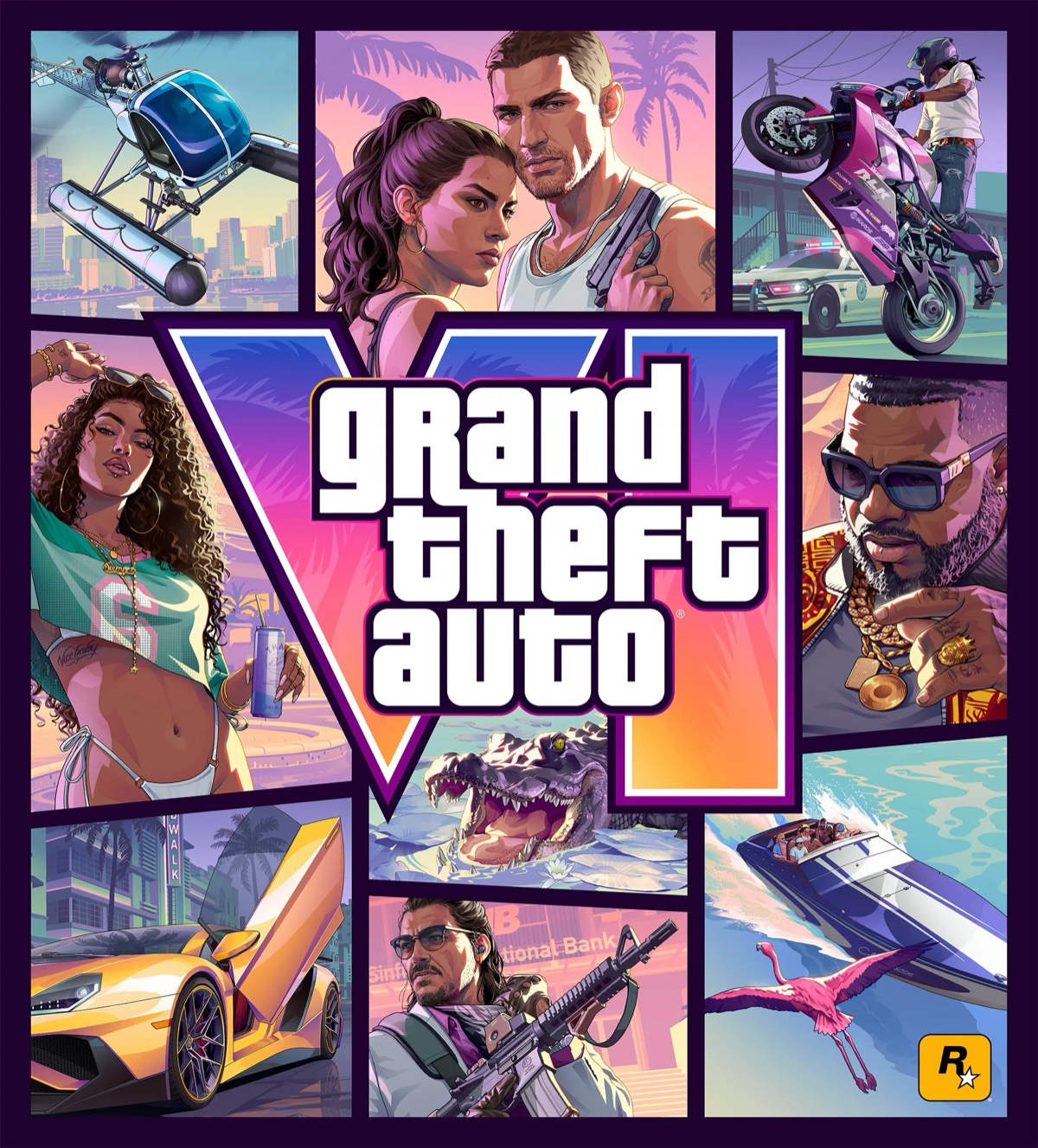
GTA 6's Cover Art Is Beautiful. June 25 Is About Something Else.
Rockstar revealed the official GTA 6 cover art on June 18, and it's a confident piece of franchise mythology. But pre-orders opening June 25 carry a question bigger than bonus content: is this the moment gaming crosses the $100 line?
 Gaming
I Hadn't Touched Spider-Man in Years, Then Spider-Man 2 Yanked Me Off the Roof
I came back to web-swinging after a long break, expecting to bounce off it. Instead I lost a whole weekend gliding over Marvel's New York and grinning like an idiot.