
Pokemon Pokopia Sold 2.2 Million Copies in 4 Days and Added $14 Billion to Nintendo's Market Cap
2.2 Million Copies, Zero Battles
Tokyo-based game industry analyst Serkan Toto called it "a very rare case of a Nintendo game accidentally blowing up." He wasn't exaggerating.
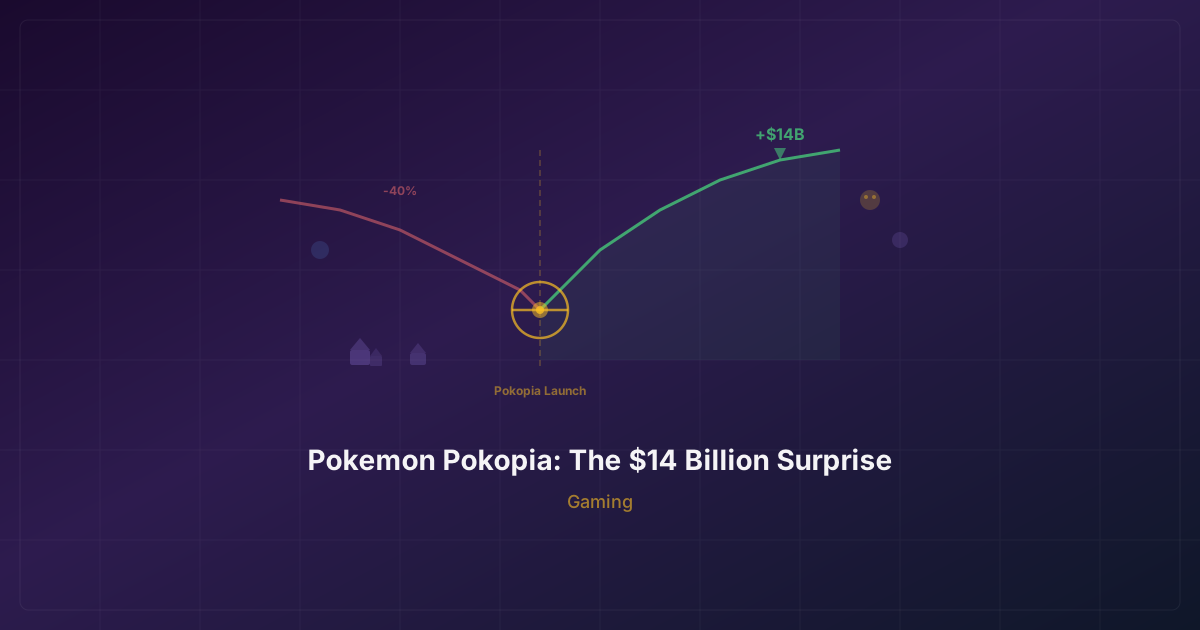
Pokemon Pokopia — a cozy life sim where you play as a Ditto rebuilding post-apocalyptic Kanto — has sold 2.2 million copies in four days since its March 5 launch on the Switch 2. It has no battles, no competitive modes, and no mainline lineage. Nintendo barely marketed it. And it just became the highest-rated Pokemon game in the franchise's 30-year history, scoring an 89 on Metacritic, selling out at virtually every physical retailer on the planet, and triggering an 18% rally in Nintendo's share price that erased months of decline — adding $14 billion to the company's market cap.
A spinoff nobody was watching just became 2026's biggest surprise.
What Is Pokemon Pokopia, Exactly?
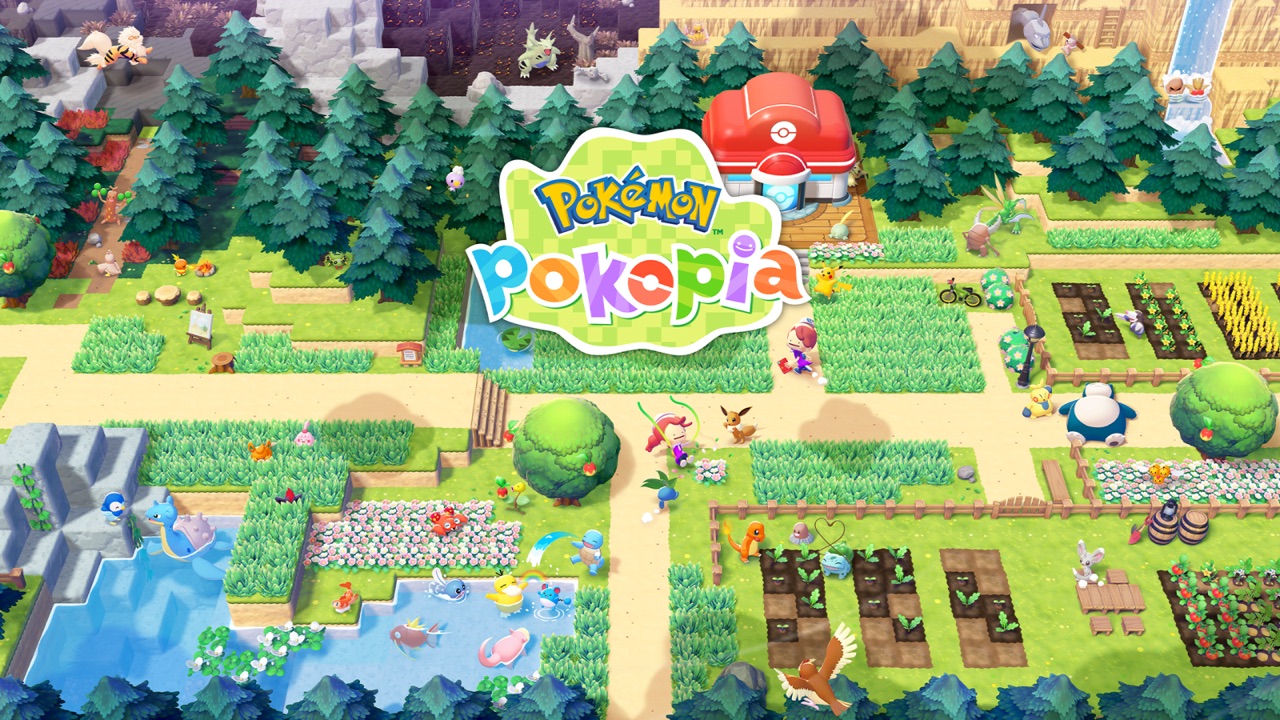
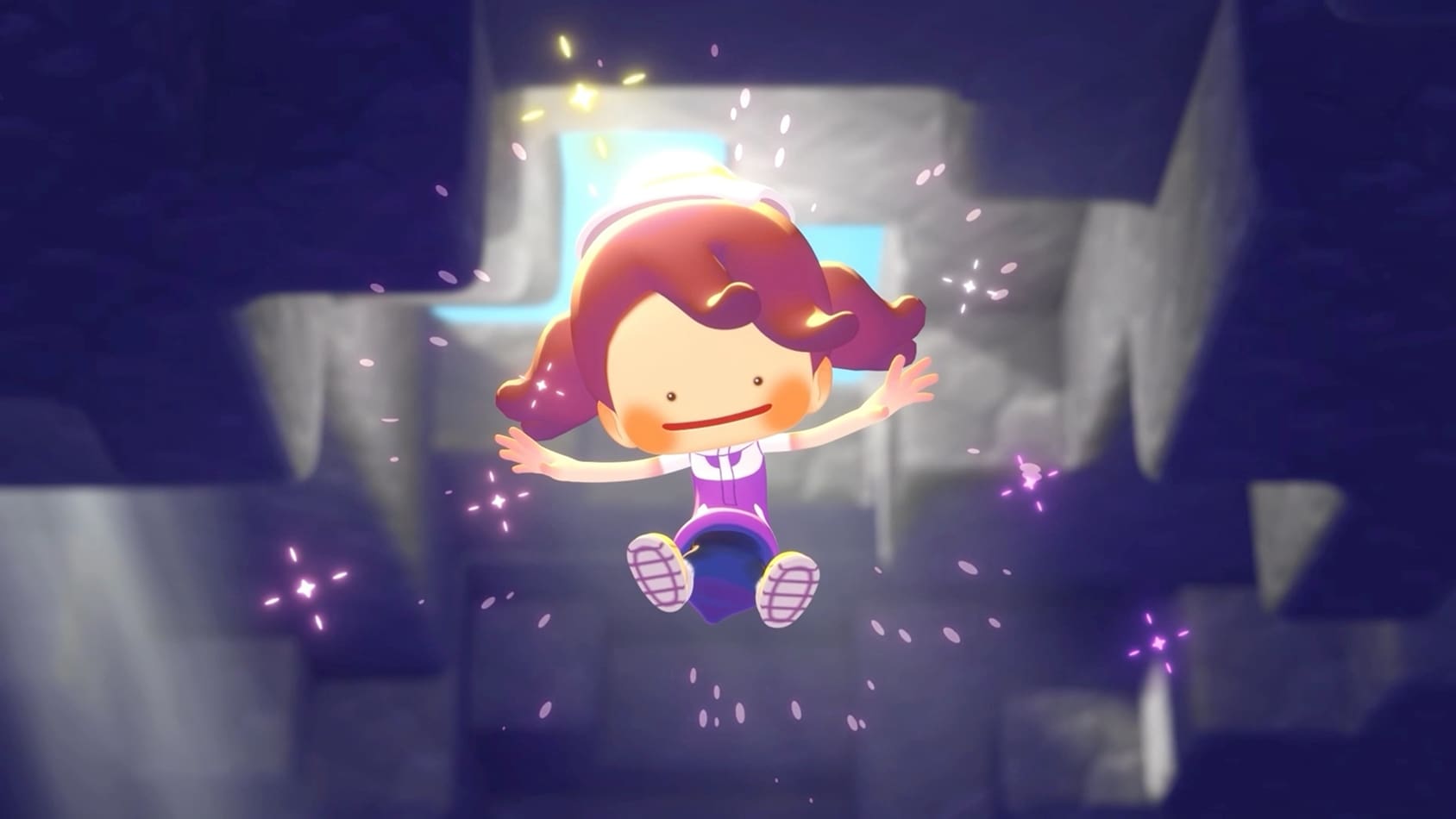
Pokopia is the first slow-paced life simulation game in the Pokemon franchise. You play as a Ditto who has transformed into human form, waking up in a ruined Kanto where all the trainers have mysteriously vanished. Your job: rebuild Pokemon society from scratch.
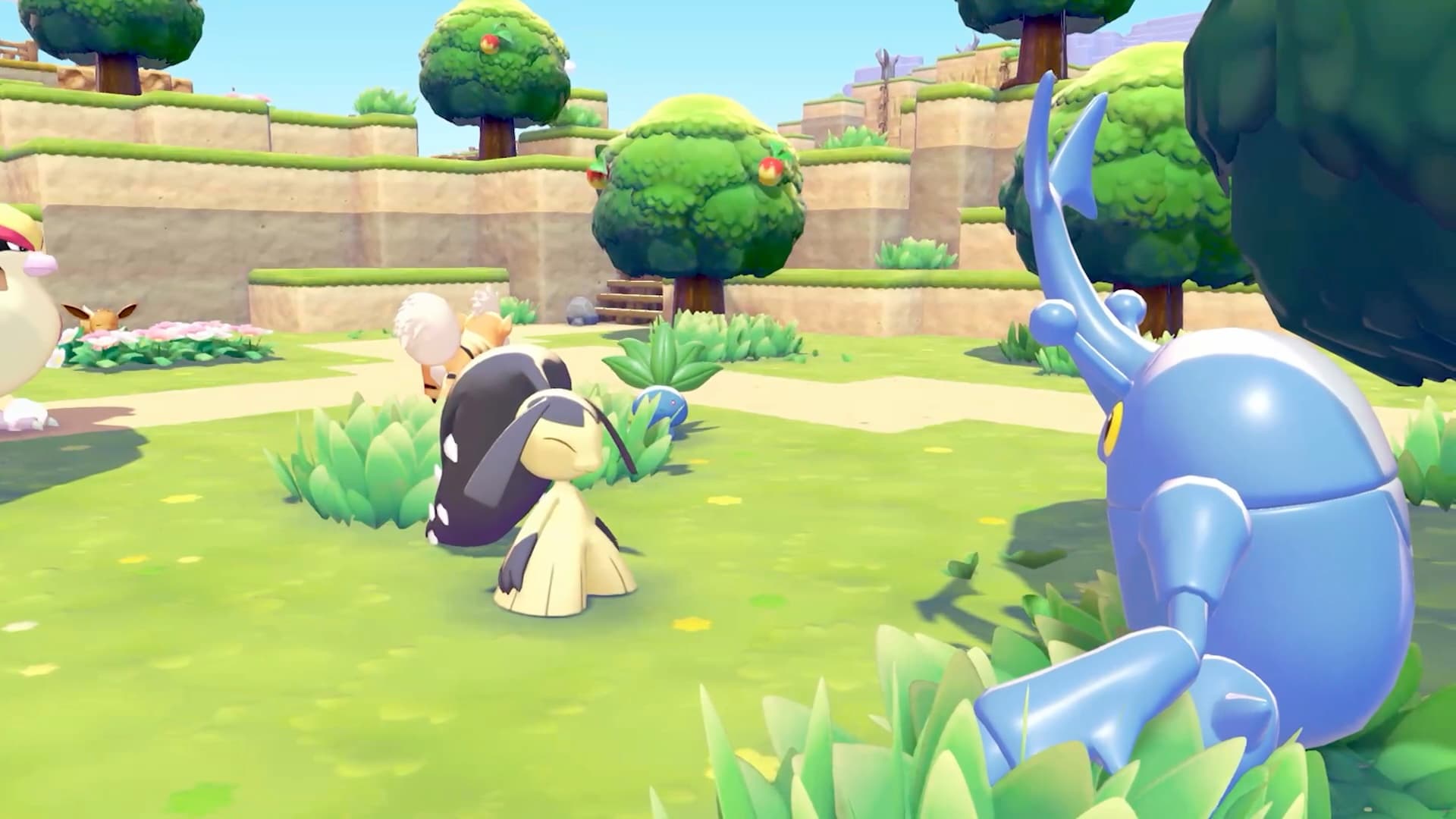
The pitch sounds like a mashup of every beloved cozy game you've ever played — Animal Crossing's village building, Minecraft's creative freedom, Stardew Valley's community sandbox, Dragon Quest Builders' structured crafting, and Viva Pinata's creature-attraction mechanics — except it's all wrapped in the Pokemon universe with 300 creatures from Generations I through IX.
The core loop is deceptively simple: you create habitats to attract Pokemon, and those Pokemon then help you build more. Need to clear a forest? Befriend a Scyther to learn Cut. Need to irrigate farmland? Get a Squirtle for Water Gun. Each Pokemon transforms your Ditto's abilities, opening new terraforming options that reshape the world.
But the depth sneaks up on you. Habitats range from simple (four squares of grass for a Caterpie) to elaborate (six bespoke crafted items arranged precisely to lure a rare Pokemon). Every Pokemon has personality traits and happiness levels driven by food preferences, housing quality, and whether you've given them items that match their personality. Professor Tangrowth — yes, a Tangrowth runs this show — guides you through the main story, which runs 20 to 40 hours and unravels the mystery of what happened to Kanto's humans.
There are no battles. No gym leaders. No competitive ladder. And somehow, that's exactly why it works.
The Numbers: 2.2 Million in Four Days
Nintendo confirmed in an official press release that Pokopia sold 2.2 million units worldwide (physical and digital combined) in its first four days. One million of those were in Japan alone. By the end of its first week, the total was likely significantly higher given the game's trajectory.
To appreciate what that means for a Pokemon spinoff, consider the company it's keeping:
| Game | Total Lifetime Sales |
|---|---|
| Pokemon Mystery Dungeon: Red/Blue | 5.85 million |
| Pokemon Legends: Arceus | 14.83 million |
| New Pokemon Snap | ~2.4 million |
| Pokemon Colosseum | ~2.2 million |
| Pokemon Pokopia (4 days) | 2.2 million |
Pokopia nearly matched New Pokemon Snap's and exceeded Pokemon Colosseum's lifetime totals in under a week. At its current trajectory, analysts project it will "almost certainly" surpass Mystery Dungeon's 5.85 million to become the best-selling Pokemon spinoff ever made.
Within the Switch 2's own library, Pokopia already ranks as the fourth best-selling title:
- Mario Kart World — 14 million+
- Donkey Kong Bananza — 4.25 million
- Pokemon Legends: Z-A — 3.89 million (Switch 2 only; 12.3 million combined across both platforms)
- Pokemon Pokopia — 2.2 million (and climbing fast)
The Switch 2 has now sold over 17 million consoles since its June 2025 launch, and multiple reports indicate that Pokopia is actively driving new hardware sales. One Reddit user's comment captured the phenomenon: "It's been a system seller for our house. My wife hasn't been as interested in checking out a game in a while so we went out and got a Switch 2 so she could play it."
The Highest-Rated Pokemon Game Ever Made
Pokopia's 89 on Metacritic (based on 49 critic reviews) makes it the highest-rated Pokemon game of all time. Not the highest-rated spinoff — the highest-rated Pokemon game, period.
Here's the all-time leaderboard it just topped:
| Game | Metacritic Score |
|---|---|
| Pokemon Pokopia | 89 |
| Pokemon Y | 88 |
| Pokemon X | 87 |
| Pokemon Black & White | 87 |
| Pokemon HeartGold & SoulSilver | 87 |
On OpenCritic, Pokopia scored even higher: 93. It's among the highest-rated games of 2026 alongside Mewgenics (90 on Metacritic) and Resident Evil Requiem (88).
VGC gave it a perfect 5 out of 5, with reviewer Jordan Middler calling it "Pokemon's best spin-off" and "one of its best games, full-stop." He wrote: "Pokopia is an excellent life simulation game that takes the best bits from the champions of the genre and evolves into something that Pokemon fans, and cozy game fans, will love. Late-game grinding doesn't dull an adventure that's as full of discovery at 100 hours as it was at one."
GamesRadar awarded it 4.5 out of 5, with Sam Loveridge calling it "my new cozy obsession."
GameSpot's Steve Watts said: "I feel like I've barely scratched the surface, and I can't wait to keep exploring."
And Kotaku's Kenneth Shepard summed up the paradox of the game's complexity: "Everything about this game should overwhelm me... Yet still, I'm itching to boot up my Switch 2 to get back to it."
The critic-user split is worth noting, though. While Pokopia holds the highest critic score in franchise history, its Metacritic user score of 8.5/10 places it fourth among Pokemon games — behind HeartGold/SoulSilver (9.1), Platinum (8.9), and Emerald (8.8). The nostalgia factor of those older entries remains powerful in fan rankings, even if critics think Pokopia is objectively the better game.
Sold Out Everywhere — And Amazon Is Price Gouging
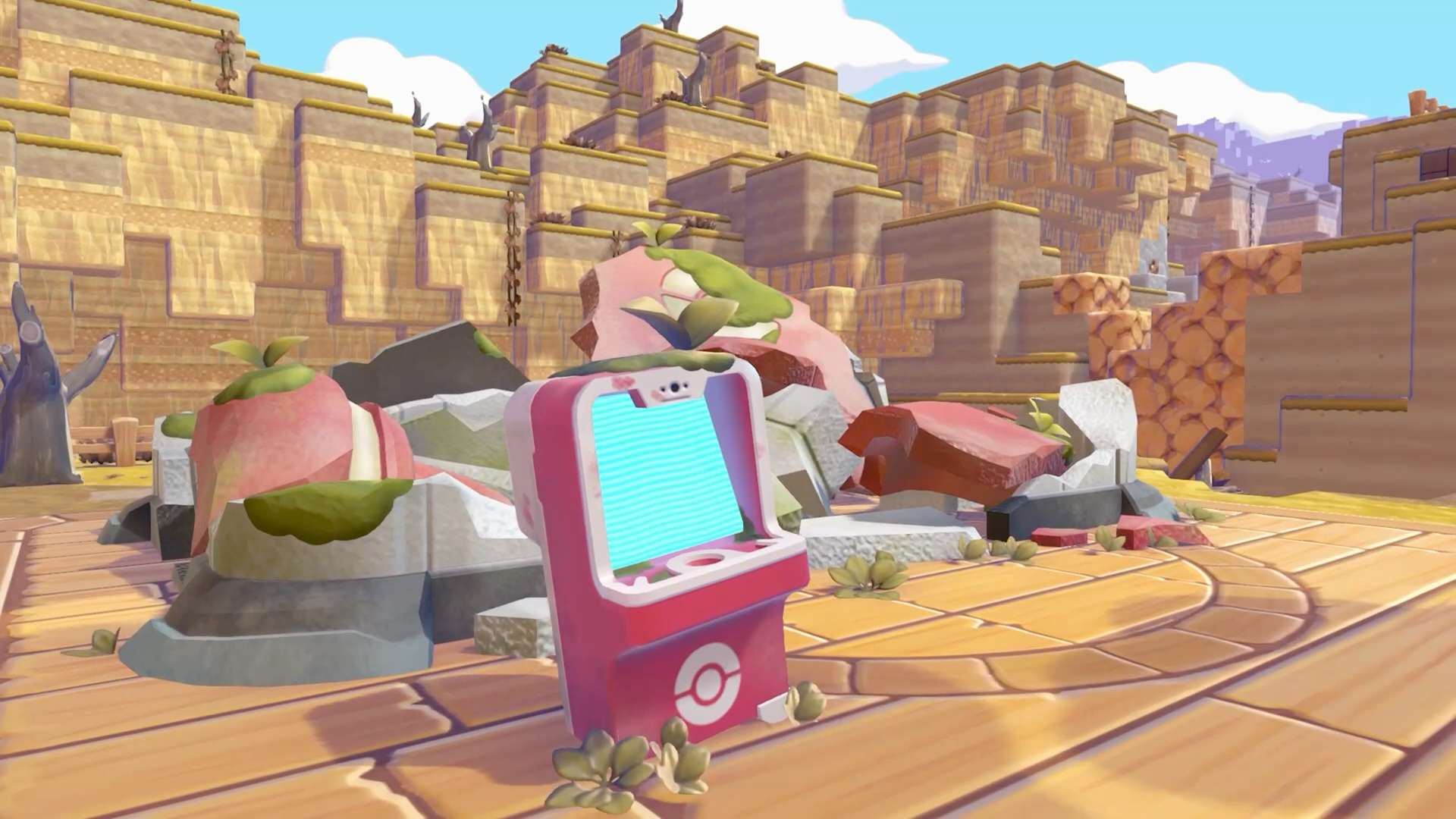
Good luck finding a physical copy. Within days of launch, Pokopia sold out at:
- United States: Walmart, Target, GameStop, and Nintendo's official online store
- United Kingdom: Currys, Smyths Toys, and My Nintendo Store
- Japan: Yodobashi and other major electronics retailers
- Australia and Canada: Widespread sellouts across all major chains
Amazon responded to the shortage by raising the price of the physical version to $80 — well above the standard retail price. Scalpers on secondary markets pushed it even higher.
The shortage seems to stem from Nintendo dramatically underestimating demand. Christopher Dring, editor at The Game Business, reported that UK physical supply was "seriously undersupplied" at retailers. Pokopia's UK launch physical sales were "not even half" of Pokemon Legends: Z-A's — suggesting the issue isn't a lack of buyer interest but a genuine production shortfall.
One theory: Nintendo may have expected stronger digital adoption. The Switch 2's physical releases use a "Game Key Card" format that hasn't been popular with collectors, so Nintendo likely assumed most buyers would go digital. They were wrong. Between collectors who wanted a physical copy and parents buying for kids who don't have eShop accounts, physical demand far exceeded what Nintendo stocked.
The irony is that the sellout is probably suppressing Pokopia's already-impressive sales numbers. How many more copies would it have moved if people could actually buy them?
Nintendo's $14 Billion Comeback
Before Pokopia, Nintendo was in trouble.
The company's share price had cratered from a peak of 14,795 JPY in August 2025 to approximately 8,350 JPY by mid-February 2026 — a decline of over 40% in six months. The reasons were stacking up: U.S. tariff threats on Japanese electronics, rising memory and semiconductor costs eating into Switch 2 hardware margins, and growing skepticism about the console's software lineup beyond its launch window.
Then Pokopia happened.
In the two days following the game's sales announcement, Nintendo shares jumped from 8,503 JPY to 9,932 JPY, peaking intraday at 10,075 JPY — a 10.4% single-day surge that marked the sharpest intraday advance since April 2025. By the end of the week, the cumulative rally hit 18%, adding approximately $14 billion to Nintendo's market capitalization and making it one of the top performers on Japan's Nikkei 225 index.
Bloomberg described it as Nintendo's biggest weekly stock gain in a decade.
The analyst reactions ranged from surprised to stunned:
- Serkan Toto (Tokyo-based analyst): "Nobody anticipated this kind of success — no one expected such high quality. A very rare case of a Nintendo game accidentally 'blowing up.'"
- Hideki Yasuda (Toyo Securities): "The Pokemon game was a dark horse. It was totally off people's radar, making its popularity a positive development."
- A Jefferies analyst noted that Switch 2 momentum was "surging thanks to the viral hit" and may have helped counteract "memory cost headwinds."
Important context: even after the 18% rally, Nintendo stock remains roughly 30% below its August 2025 peak. Pokopia didn't fix everything. But it did something arguably more important — it proved that the Switch 2 can still produce the kind of cultural moment that drives hardware sales and investor confidence. One surprise hit won't solve structural concerns about tariffs and component costs, but it does remind the market that Nintendo's secret weapon has always been software nobody saw coming.
The Community Can't Stop Building
The social media response has been overwhelming. Within days of launch, the Pokopia subreddit became a showcase of increasingly elaborate player creations:
- A pristine white house with a manicured garden that looked like it belonged in an architecture magazine
- A cozy lakeside cottage with a working mill and surrounding forest
- A cave house with an indoor lavafall that went viral across Reddit and Twitter
- A cyberpunk-inspired neon home that proved Pokopia's building tools are more flexible than anyone expected
The community culture is notably wholesome. It's a mix of experienced Animal Crossing and Minecraft builders showing off jaw-dropping creations and Pokemon fans who've never touched a sandbox game posting hilariously modest attempts. One player captured the vibe perfectly: "My island sucks, but my little fellas are happy with it, and that's the only thing that matters."
The FOMO is real, too. Gfinity published a guide titled "Tips On How to Properly Cope with Pokemon Pokopia FOMO" — a sentence that tells you everything about where this game sits in the cultural conversation right now.
Why Pokopia Worked When It Had No Right To
Three things aligned to make Pokopia a phenomenon:
1. The Dream Team Behind It
Pokopia was co-developed by Game Freak (the Pokemon studio) and Koei Tecmo's Omega Force — specifically the team behind Dragon Quest Builders 2, one of the best crafting games ever made. This isn't a random outsourced spinoff. Senior director Shigeru Ohmori (who directed Pokemon Ruby/Sapphire and Scarlet/Violet) prototyped the concept while working on Scarlet and Violet, inspired by his early experience creating habitats in the Gen III games.
"When I was creating the map, which was 2D at the time, I was putting grass onto it where Pokemon would appear," Ohmori recalled. "That feeling of Pokemon appearing when I was creating the habitat was very interesting to me."
Chief director Takuto Edagawa from Omega Force brought the crafting expertise, while art director Marina Ayano (Koei Tecmo) defined the pop-art visual style with keywords "chill" and "pop." The result feels like a game made by people who genuinely love both Pokemon and the life-sim genre, not a corporate crossover conceived in a boardroom.
2. Perfect Timing in the Cozy Games Boom
The cozy game genre has exploded in the last few years, and Pokopia landed right in the sweet spot. Animal Crossing: New Horizons proved during the pandemic that tens of millions of people want games about building peaceful spaces. Stardew Valley, Spiritfarer, and countless indies have kept that audience growing. But no franchise with Pokemon's global recognition has fully committed to the genre until now.
Pokopia also dodged a bullet that kills many Nintendo releases: it doesn't compete with anything. March 2026 has been a stacked month for games, but the shooters, RPGs, and horror titles all target different audiences. There is literally nothing else on the market right now that offers "cozy post-apocalyptic Pokemon village builder." The lane was wide open.
3. Switch 2 Needed a Cultural Moment
The Switch 2 had solid launch titles — Mario Kart World and Donkey Kong Bananza both moved millions of units. But neither became a cultural event the way the original Switch had with Breath of the Wild. The Switch 2 needed a game that made people who didn't already own the console go buy one. Pokopia is that game. It's attracting demographics that Mario Kart doesn't reach: cozy game fans, Animal Crossing devotees, and non-gaming partners and family members who see clips on TikTok and want in.
What This Means for Pokemon's Future
Pokopia's success sends a clear message to The Pokemon Company: the franchise's future doesn't have to be built entirely on competitive battling and mainline RPGs.
For 30 years, Pokemon spinoffs have been treated as B-tier releases — side dishes to the main course of the numbered generations. Some have been great (Snap, Legends: Arceus), but none have achieved this level of critical and commercial success this quickly. Pokopia's 89 Metacritic score and multi-million-copy first week put it in conversation with mainline entries, not below them.
The key insight is that Game Freak's direct involvement changed everything. Previous spinoffs were mostly developed by external studios (Genius Sonority, Spike Chunsoft, Bandai Namco). Pokopia had Ohmori's creative vision and Game Freak's institutional knowledge of what makes Pokemon special, combined with Omega Force's genre expertise. That combination produced something that feels authentically Pokemon in a way that most spinoffs never achieve.
If The Pokemon Company is smart, they'll recognize that the Pokemon IP is big enough to support multiple high-quality pillars simultaneously — mainline RPGs, action games like Legends, cozy games like Pokopia, and whatever else their creators dream up. The franchise just celebrated its 30th anniversary by producing the best-reviewed game it has ever made. That's not an accident. That's a new direction.
A Ditto, a Broken World, and 300 Pokemon
Serkan Toto's "accidentally blowing up" assessment captures something important about Pokopia's success: it wasn't engineered. No massive marketing push. No celebrity endorsements. No live-service FOMO mechanics. Just a well-crafted game that found its audience — and then found an audience ten times larger than anyone projected.
Pokopia accomplished something radical for Pokemon: it slowed down. No battles, no timers, no competitive pressure. And in doing so, it became the highest-rated entry in the franchise's history, a system seller for the Switch 2, and proof that the Pokemon IP is big enough to support wildly different kinds of games.
If you can find a copy, buy it. If you can't, join the line.
Sources
- Nintendo Official Press Release — Pokopia Sales
- Bloomberg — Nintendo Shares Gain $14 Billion
- VGC — Pokopia Review (5/5)
- VGC — Pokopia Metacritic Score
- VGC — Nintendo Share Price Climbs
- GamesRadar — Pokopia Sales Milestones
- GamesRadar — Pokopia Review (4.5/5)
- Nintendo Life — Pokopia Sales Figures
- The Gamer — Pokopia Sales Compared to Spinoffs
- The Gamer — Pokopia Critic vs User Scores
- VGC — Amazon Hikes Pokopia Price
- TechRadar — Pokopia Sold Out at Retailers
- Variety — Switch 2 Sales Data
- VGC — Developer Feature Interview

Founder of GGS Blog and Site Reliability Engineer at Box. I write about gaming, AI in gaming, and game development with a technical lens — 10+ years in software engineering, 20+ years as a gamer. My work focuses on what the tech actually means for players.
Never miss a post
Subscribe to the GGS Blog newsletter for gaming news, tech insights, and AI in the game industry — delivered straight to your inbox.
Free. No spam. Unsubscribe in one click.
Comments
What to Read Next
Continue exploring our coverage of gaming, technology, and AI.
 Gaming
GTA 6 Is $80. Here's What Rockstar Still Hasn't Told You.
Rockstar confirmed GTA 6 pricing at $79.99 Standard and $99.99 Ultimate. The silence around PC, regional pricing, and GTA Online structure tells a bigger story than the price tag. Here's how to think about the $80 ask.
 Gaming
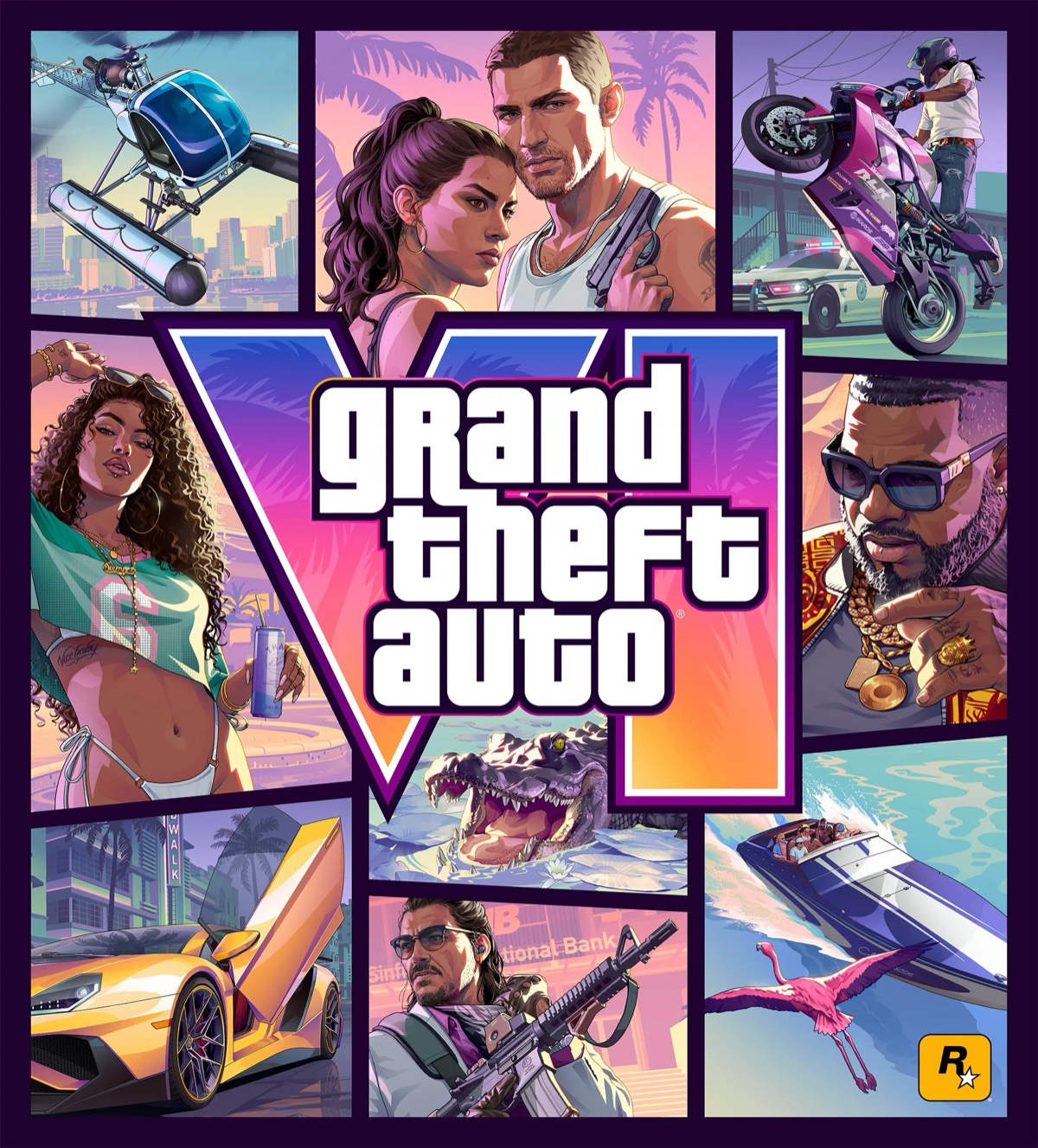
GTA 6's Cover Art Is Beautiful. June 25 Is About Something Else.
Rockstar revealed the official GTA 6 cover art on June 18, and it's a confident piece of franchise mythology. But pre-orders opening June 25 carry a question bigger than bonus content: is this the moment gaming crosses the $100 line?
 Gaming
I Hadn't Touched Spider-Man in Years, Then Spider-Man 2 Yanked Me Off the Roof
I came back to web-swinging after a long break, expecting to bounce off it. Instead I lost a whole weekend gliding over Marvel's New York and grinning like an idiot.