
Resident Evil Requiem Reviews and Reception: Record Scores, Record Sales, and a Divided Fanbase
Five Million Copies, Five Days, and One Very Loud Internet
Resident Evil Requiem didn't just launch on February 27, 2026 — it detonated. Within five days, Capcom confirmed that the ninth mainline entry in its flagship horror franchise had sold over five million copies worldwide, making it the fastest-selling Resident Evil game ever. For context, 2023's Resident Evil 4 Remake took nearly four months to hit that number. Resident Evil Village needed five.
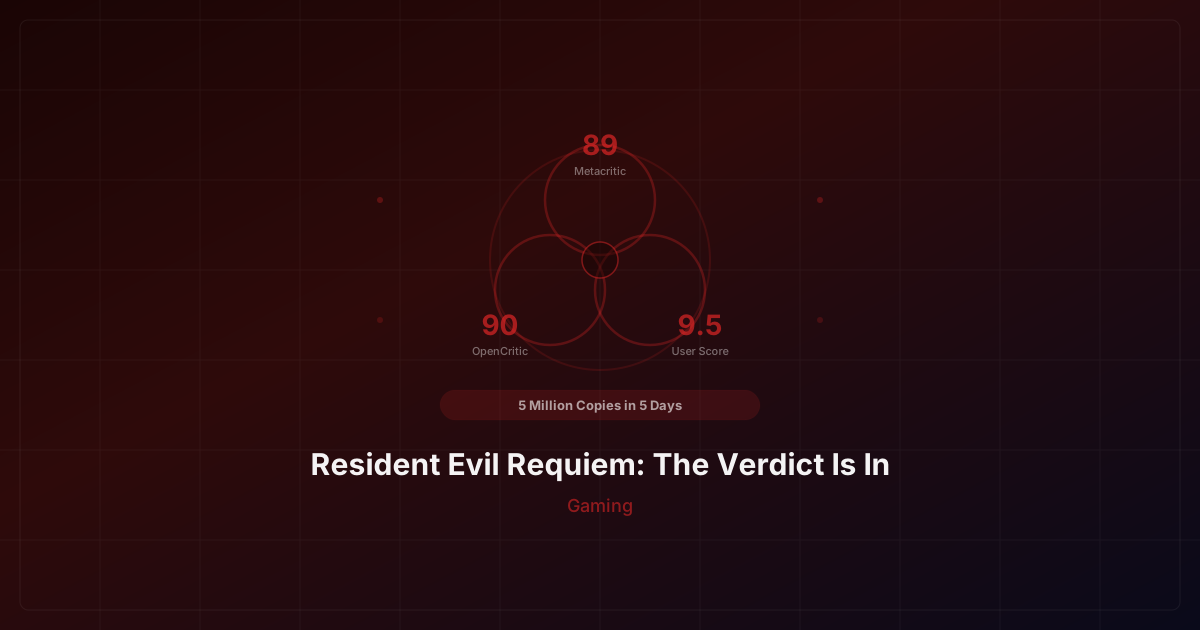
On Steam alone, Requiem peaked at over 344,000 concurrent players — more than doubling the RE4 Remake's peak of 168,000 and tripling Village's 107,000. The game currently sits at "Overwhelmingly Positive" on Steam with 96% of approximately 22,000 user reviews giving it a thumbs-up. On Metacritic, it holds an 89 from critics and a 9.5 user score — the highest user score the platform has ever recorded. OpenCritic has it at 90.
These are enormous numbers for a single-player horror game. So what exactly is everyone responding to?
What the Critics Are Saying
The review landscape for Requiem is overwhelmingly positive, though not unanimously so. Here's where the major outlets landed:
- CGMagazine — 10/10
- Game Informer — 9.75/10
- Destructoid — 9.5/10
- IGN — 9/10
- DualShockers — 9/10
- PCMag — 4.5/5
- Giant Bomb — 4.5/5
- VGC — 4/5
- The Guardian — 4/5
- Push Square — 8/10
- GameSpot — 8/10
- Famitsu — 37/40 (9/9/10/9)
The critical consensus revolves around a few key themes. Nearly every review praises the dual-protagonist system — the way the game splits its campaign between newcomer Grace Ashcroft and series veteran Leon S. Kennedy, giving each a fundamentally different gameplay style. Critics also consistently highlight the game's production values, its atmosphere, and its willingness to be genuinely frightening.
VGC called it "superb but safe," describing Requiem as "a genuinely brilliant entry" that doesn't quite reach the very top tier of the franchise. Vice went further, declaring it "the best Resident Evil game since RE4" and calling the dual-campaign structure "masterful." The Washington Post's reviewer played through the game nine times and still found new things to write about.
The aggregate scores make Requiem the highest-rated original entry in the series since the original Resident Evil 4 in 2005. That's a two-decade gap.
The Grace and Leon Split: Why It Works (For Most People)
The heart of Requiem's design — and the thing that critics and players talk about more than anything else — is the way it divides its gameplay between two protagonists with completely different play styles.
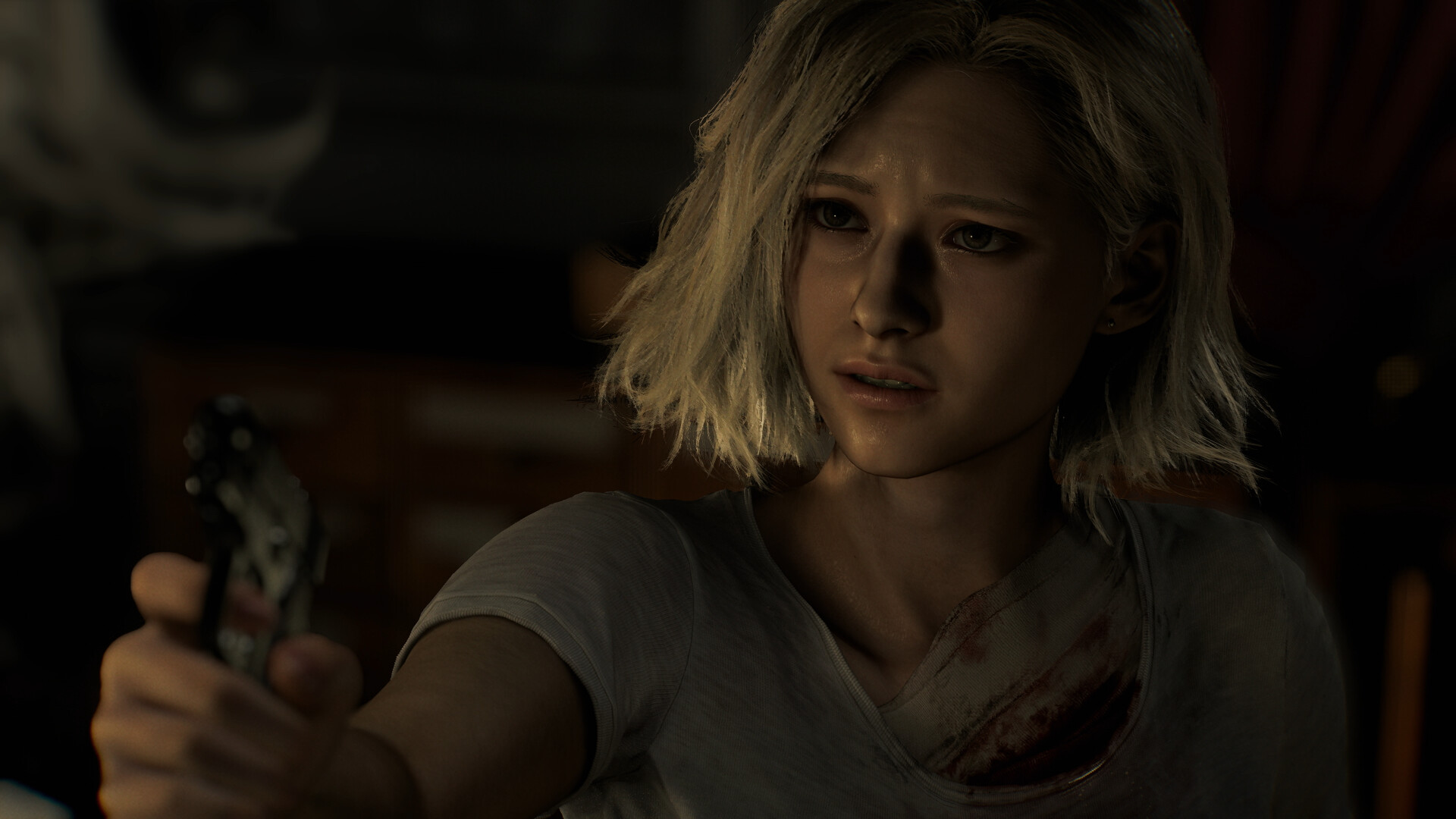
Grace Ashcroft is an FBI analyst investigating mysterious deaths. Her sections are played in first person and lean hard into survival horror. Think RE7 and Village: limited resources, tight corridors, puzzle-solving, inventory management with supply boxes, and a persistent sense of vulnerability. Grace can't overpower enemies. She evades, hides, and scrounges. She's occasionally pursued by an unkillable enemy known as "The Girl" — a relentless stalker in the vein of Mr. X from RE2 or Lady Dimitrescu from Village.
Leon S. Kennedy gets the action-horror treatment. His sections play in third person, closer to RE4 Remake. Leon has firearms, a hatchet, melee combos, and a parry system. His encounters are louder, more confrontational, and more empowering. Where Grace's gameplay is about tension, Leon's is about control.

The split is roughly 50/50, and the game weaves between them in a way that most reviewers found seamless. Vice praised how the campaign "narratively clicks" between the two halves. A GameRevolution reviewer noted that Grace's sections "took the best parts of RE7 and addressed many of the issues I had with the game." Multiple critics highlighted the Care Center — a mansion-like area where both characters' storylines converge — as potentially one of Capcom's best level designs in years.
The game also lets players switch between first-person and third-person perspectives via the options menu — a first for the franchise that lets you play either character in your preferred camera style. Capcom built Requiem on its RE ENGINE, and the technical showcase here — skin rendering, hair physics, environmental detail — drew consistent praise across reviews.
Where the Praise Gets Loudest
A few specific elements keep coming up across professional reviews and player discussions:
The horror is actually scary. This might sound obvious for a Resident Evil game, but the franchise has oscillated between horror and action for decades. Requiem commits to genuine terror in Grace's sections. Even Hideki Kamiya — a veteran game designer who directed the original Devil May Cry and worked at Capcom during the early RE era — publicly said Requiem is too scary for him. He argued Capcom "should make a 'non-scary' mode" because he "just wants to enjoy the puzzles." When someone with Kamiya's pedigree says your horror game is too frightening, that's a particular kind of endorsement.
The blood-crafting system. Requiem introduces a mechanic where players can craft items and ammunition using blood as a resource. It's gruesome, thematically fitting, and adds a layer of resource management that reviewers found compelling.
The atmosphere and level design. Beyond the Care Center, critics highlighted the environmental storytelling throughout the game — zombies performing mundane behaviors in a post-mortem state, architectural spaces that tell stories through their decay, and a general sense of dread that permeates exploration.
Voice acting and performance capture. Capcom's push for "cinematic performances" paid off. The actors behind Grace and Leon received specific praise for bringing emotional depth to what could have been a standard horror plot.
What the Critics Didn't Love
No game scores 89 on Metacritic without some caveats. The criticisms of Requiem cluster around a few recurring themes:
Puzzles lack complexity. Several reviewers noted that while the puzzle elements are present, they don't reach the intricacy of classic RE games. For a game that leans into survival horror with Grace's sections, the puzzles often feel more like pacing mechanisms than genuine brain-teasers.
The story gets shaky toward the end. Multiple critics flagged "head-scratching narrative decisions" in the final act. Without spoiling specifics, the consensus is that Requiem's plot works better as a character study than as a coherent narrative — and the ending doesn't fully stick the landing.
Nostalgia dependency. VGC's "superb but safe" assessment captures a broader concern: Requiem is excellent at remixing what's worked before, but it takes few genuine creative risks. The dual-protagonist structure is clever, but it's essentially a synthesis of RE4 and RE7 rather than something entirely new.
No Mercenaries mode at launch. The absence of the beloved arcade-style Mercenaries mode disappointed a vocal portion of the fanbase. Capcom has since confirmed that additional content — including a story expansion, a photo mode, and a mystery minigame — is in development, but the lack of Mercenaries specifically stung.
The Player Divide: "Best RE Ever" vs. "RE6 All Over Again"
Where professional reviews broadly agree on Requiem's quality, the player community is more fractured — as is tradition with any Resident Evil game that tries to balance horror and action.
On one side, a massive contingent of players is calling this the best Resident Evil game ever made. The 9.5 Metacritic user score speaks for itself. Steam's "Overwhelmingly Positive" rating with 96% approval is the kind of number most developers would trade a kidney for. Players who came to the franchise through RE7 or the remakes are finding exactly what they want: a polished, terrifying, mechanically refined horror experience with AAA production values.
On the other side, a smaller but passionate group of long-time fans has drawn comparisons to Resident Evil 6 — the 2012 entry that tried to be everything to everyone and, in many fans' eyes, satisfied no one. The argument goes: by splitting the game between a horror campaign and an action campaign, Capcom is once again hedging its bets rather than committing to a single identity. Some players feel Leon's action-heavy sections undercut the tension that Grace's horror sections build.
There's also a vocal contingent of old-school fans who want a return to fixed-camera, tank-control survival horror — a style the franchise hasn't touched since the early 2000s. For these players, anything post-RE4 is a compromise.
And then there are the UX complaints. Multiple players have flagged excessive handholding as a frustration: yellow paint marking interactive objects, constant HUD notifications, non-togglable map icons, and quest objectives that leave little room for organic exploration. These aren't dealbreakers, but for a survival horror game that thrives on disorientation and vulnerability, the hand-holding can feel at odds with the experience.
The AI Review Scandal
Requiem's launch wasn't just about the game itself — it also surfaced an ugly reality about the state of games media.
Shortly after launch, readers noticed that a 9/10 review of Resident Evil Requiem published by Videogamer — a UK gaming site recently acquired by Clickout, a gambling SEO company — appeared to be written by AI. The review was attributed to "Brian Merrygold," described as an "experienced iGaming and sports betting analyst" with no prior games criticism history. The writing was generic, lacked specific gameplay details, and — most damning — the author's profile picture filename contained "ChatGPT-Image" in its metadata.
Further investigation revealed that Clickout had gutted Videogamer's human editorial staff the previous week, replacing them with AI-generated content across the site. Multiple fake author profiles were identified.
Metacritic responded by removing the review and severing ties with the publication. Metacritic co-founder Marc Doyle stated: "Metacritic's policy is to never include an AI-generated critic review... we'll remove it immediately and sever ties with that publication indefinitely."
The incident underscored the growing tension between AI-generated content and editorial integrity in games media — a topic that extends well beyond one fraudulent review of one game, but found its highest-profile flashpoint here.
What Comes Next
Capcom is already looking ahead. As of March 10, 2026, the studio has confirmed several additions are in development for Requiem:
- Story expansion DLC — The game's director confirmed that "extra story content" is being developed, with a request for patience on timing. Fan speculation leans toward additional Leon-focused content.
- Photo mode — A long-requested feature that wasn't included at launch.
- Mystery minigame — Details remain sparse.
- Community survey — Capcom has launched an official survey (open until March 26) asking players what they liked and disliked about Requiem, signaling that player feedback will influence future content decisions.
The game's release also coincides with the Resident Evil franchise's 30th anniversary — the original Resident Evil launched in March 1996. With cumulative franchise sales now exceeding 183 million units, Requiem's success adds another massive entry to what's become one of gaming's most enduring franchises.
The Bigger Picture: Where Requiem Fits in 2026
In the broader 2026 landscape, Requiem's 89 Metacritic score makes it the best-reviewed game of the year so far, though the article's authors at multiple outlets have noted that a 90 "isn't enough to keep you in the number one spot come the end of the year." Recent year-end champions scored higher: Hades 2 closed 2025 at 95, Astro Bot hit 94 in 2024, and Baldur's Gate 3 reached 97 in 2023.
But raw review scores don't capture the full picture. Requiem's cultural impact — the memes, the community debates, the record-breaking sales, the AI review scandal, Hideki Kamiya begging for a "non-scary" mode — is the kind of phenomenon that transcends a number on a review aggregator. This is a game people are talking about, arguing about, and playing at historically unprecedented rates.
Whether it ends up being remembered as the best Resident Evil game ever made or as another chapter in the franchise's endless identity crisis probably depends on which half of the game you connected with more. And honestly, the fact that both interpretations can coexist within a single title might be Requiem's most impressive trick.
Five million copies in five days suggests the audience has made up its mind. The conversation will keep going, but the verdict is already in: Resident Evil Requiem is a massive success by every measurable standard, even if "massive success" and "perfect game" aren't the same thing.
Sources
- Resident Evil Requiem Review Scores — ClutchPoints
- Resident Evil Requiem Highest User Score on Metacritic — VGC
- Resident Evil Requiem Top of 2026 Charts — TheGamer
- Resident Evil Requiem Steam Records — GamesHub
- Resident Evil Requiem 5 Million Units — Capcom Press Release
- Metacritic Removes AI Review — Kotaku
- Hideki Kamiya Calls Requiem Too Scary — GamesRadar
- Story DLC Confirmed — PC Gamer
- Resident Evil Requiem Review — Vice
- Review Thread — ResetEra

Founder of GGS Blog and Site Reliability Engineer at Box. I write about gaming, AI in gaming, and game development with a technical lens — 10+ years in software engineering, 20+ years as a gamer. My work focuses on what the tech actually means for players.
Never miss a post
Subscribe to the GGS Blog newsletter for gaming news, tech insights, and AI in the game industry — delivered straight to your inbox.
Free. No spam. Unsubscribe in one click.
Comments
What to Read Next
Continue exploring our coverage of gaming, technology, and AI.
 Gaming
GTA 6 Is $80. Here's What Rockstar Still Hasn't Told You.
Rockstar confirmed GTA 6 pricing at $79.99 Standard and $99.99 Ultimate. The silence around PC, regional pricing, and GTA Online structure tells a bigger story than the price tag. Here's how to think about the $80 ask.
 Gaming
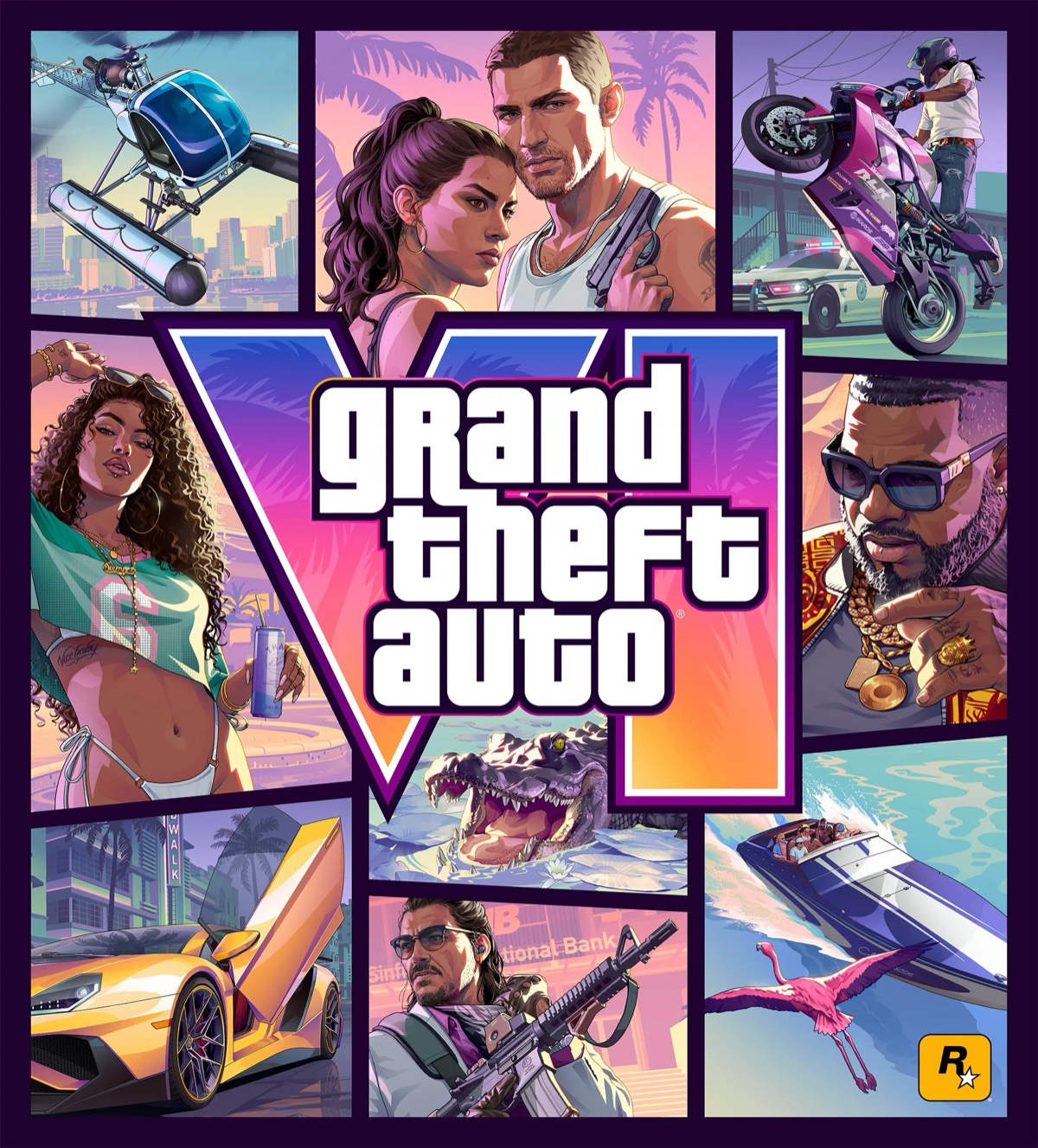
GTA 6's Cover Art Is Beautiful. June 25 Is About Something Else.
Rockstar revealed the official GTA 6 cover art on June 18, and it's a confident piece of franchise mythology. But pre-orders opening June 25 carry a question bigger than bonus content: is this the moment gaming crosses the $100 line?
 Gaming
I Hadn't Touched Spider-Man in Years, Then Spider-Man 2 Yanked Me Off the Roof
I came back to web-swinging after a long break, expecting to bounce off it. Instead I lost a whole weekend gliding over Marvel's New York and grinning like an idiot.