
The Top Competitive Games Dominating 2026
The State of Competitive Gaming in 2026
The competitive gaming landscape in 2026 is more diverse than it has ever been. Established franchises continue to evolve, new challengers have emerged, and prize pools across major circuits have grown to record levels. The global esports audience now spans hundreds of millions of viewers, and the infrastructure supporting competitive play -- from regional leagues to international tournaments -- has matured into a professional ecosystem that rivals traditional sports in many markets.
Whether you are a casual viewer looking for exciting matches to watch, a ranked grinder trying to climb the ladder, or an aspiring pro evaluating which title to dedicate your time to, these are the games commanding the most attention this year.
The Games
1. Valorant
Riot Games' tactical shooter shows no signs of slowing down. The addition of two new agents in the 2026 season -- one focused on environmental manipulation and another built around information denial -- has refreshed the meta significantly. The Valorant Champions Tour continues to be one of the best-organized esports circuits in the world, with regional leagues feeding into international events that draw millions of viewers.
What keeps Valorant at the top is Riot's commitment to competitive integrity. Frequent balance patches, a robust anti-cheat system, and consistent communication with the professional community have built a level of trust that other titles struggle to match. Riot treats competitive Valorant as a spectator sport first, which means that visual clarity, broadcasting tools, and observer features receive as much attention as gameplay balance.
The ranked experience has also improved substantially. The addition of a tournament mode within the client allows organized teams to compete in structured brackets without relying on third-party platforms. This has created a clear progression path from casual ranked play through amateur tournaments to semi-professional leagues, making the dream of going pro more tangible than ever.
From a viewer's perspective, Valorant strikes an excellent balance between tactical depth and moment-to-moment excitement. Rounds are short enough to maintain tension, abilities create spectacular plays, and the agent-based system means that team compositions and counter-strategies add a layer of strategic depth that pure aim-based shooters lack.
2. Counter-Strike 2
Valve's legendary franchise remains the bedrock of competitive FPS gaming. Counter-Strike 2 received a major update in late 2025 that overhauled the economy system and introduced two new maps to the competitive pool. The changes have reinvigorated the professional scene, and tournament organizers report that viewership numbers are at their highest since the game's launch.
The depth of Counter-Strike's gunplay is unmatched. The skill ceiling is effectively infinite, and that is exactly what keeps both players and spectators engaged year after year. Unlike hero shooters where abilities can decide rounds, Counter-Strike distills competitive FPS gameplay to its purest form: positioning, aim, utility usage, and team coordination. Every kill feels earned, and every round loss can be traced to specific decisions.
The new economy changes have added strategic depth to the buy phase. Teams now have more meaningful choices about when to invest in utility versus weapons, and the round-to-round economic flow creates narratives within matches that experienced viewers can follow. An eco round upset or a crucial save can shift the momentum of an entire half.
Counter-Strike also benefits from the longest legacy in esports. The professional scene has decades of history, legendary players, and storied rivalries that give each tournament emotional weight. Major events like the IEM Katowice and the Valve Major continue to be must-watch events for the FPS community.
3. League of Legends
Entering its sixteenth year, League of Legends continues to be the most-watched esport globally. The 2026 season introduced a reworked dragon system and several champion overhauls that have shaken up the professional meta. Teams that can adapt quickly to the shifting landscape are finding success, and the early weeks of regional leagues have produced some of the most exciting matches in recent memory.
Riot's investment in production quality for the LCK, LEC, and LCS remains the gold standard for esports broadcasting. Custom-built studios, professional analyst desks, cinematic camera work, and in-game overlays create a viewing experience that feels polished and engaging. The Worlds championship consistently draws peak viewership numbers that dwarf most other competitive titles, with the grand final routinely attracting tens of millions of concurrent viewers.
What sustains League's competitive relevance is Riot's willingness to make bold changes. Rather than letting the meta stagnate, Riot regularly overhauls game systems, introduces new champions, and rebalances existing ones. This keeps the game fresh for both players and viewers, even if it occasionally frustrates professionals who must constantly adapt.
The depth of League's strategic layer is also a factor. Draft phase mind games, macro rotations, objective control, and team fighting all contribute to a game that rewards both mechanical skill and strategic thinking. At the highest level, League of Legends is as much a strategy game as it is an action game, and that combination is endlessly compelling to watch.
4. Tekken 8
The fighting game community has rallied around Tekken 8 as the premier competitive fighting game of this generation. The game's second season of DLC characters has been well-received, and the Tekken World Tour 2026 circuit features increased prize pools and more stops worldwide.
What makes Tekken 8 special in the competitive space is its balance between accessibility and depth. New players can enjoy the game's flashy Heat system, while veterans explore the intricate frame data and movement options that make high-level play captivating to watch. The game rewards knowledge and adaptation as much as raw execution, creating matches where experience and game sense are as important as combo proficiency.
The Tekken community has also benefited from excellent netcode in Tekken 8. Previous entries in the series suffered from poor online play, which limited the competitive scene to offline events and local communities. Tekken 8's rollback netcode has democratized competition, allowing players from any region to compete meaningfully online. This has expanded the talent pool and produced international rivalries that would not have been possible in earlier titles.
Tournament viewership for Tekken has grown steadily since the game's launch. The spectator experience is inherently dramatic -- two players facing off in a best-of-three or best-of-five set creates narratives of adaptation, momentum shifts, and clutch performances that are easy to follow even for viewers who do not play the game. Character variety means that each match looks and feels different, keeping tournaments visually engaging across dozens of sets.
The competitive ecosystem around Tekken 8 is also well-structured. The Tekken World Tour provides a clear circuit with ranking points, regional championships, and a season-ending finals event that brings the world's best players together. Local and online tournaments feed into the circuit, creating opportunities for new talent to break through.
5. Marvel Rivals
The surprise hit of late 2025 has cemented itself as a legitimate competitive title in 2026. Marvel Rivals combines hero-based team combat with deep strategic layers, and its ranked ladder has attracted a dedicated competitive community. Third-party tournament organizers have embraced the game, and rumors of an official esports league backed by the publisher continue to circulate.
The game's appeal lies in its roster diversity. With over forty playable heroes spanning the Marvel universe, team composition theory is endlessly deep, and spectators enjoy the variety that each match brings. Unlike some hero shooters where a fixed meta dominates for months, Marvel Rivals' frequent balance updates and large roster ensure that the competitive landscape shifts regularly.
Marvel Rivals also benefits from its source material. The Marvel brand brings built-in recognition and fan investment that most new competitive titles lack. Viewers who might not normally watch esports tune in to see their favorite Marvel characters in action, broadening the game's audience beyond the core competitive gaming community.
The game's spectator mode and broadcasting tools are surprisingly polished for a title this young. Overhead tactical views, player perspective cycling, and real-time stat overlays give casters the tools they need to tell compelling stories during matches. If the publisher commits to a structured competitive ecosystem with consistent support, Marvel Rivals has the potential to become a permanent fixture in the esports landscape.
Honorable Mentions
- Apex Legends -- Still thriving with a loyal competitive community and regular content updates. The ALGS continues to deliver some of the most unpredictable and exciting tournament moments in the battle royale genre. The game's movement system and legend abilities create a uniquely fast-paced competitive experience.
- Rocket League -- The RLCS continues to deliver some of the most thrilling moments in esports. The combination of mechanical skill, teamwork, and split-second decision-making makes Rocket League one of the purest competitive experiences available. It is also one of the easiest esports to understand as a new viewer.
- Street Fighter 6 -- A strong second in the fighting game space with excellent netcode and ongoing support. The Drive System adds strategic depth, and Capcom's consistent content pipeline keeps the community engaged between tournament seasons.
What Defines a Great Competitive Game
The titles on this list share common traits that separate great competitive games from merely popular ones:
- Responsive gameplay -- Every input must feel immediate and predictable. Competitive players build muscle memory over thousands of hours, and any inconsistency in input response erodes trust in the game.
- Developer commitment to balance -- A competitive game dies when the meta becomes stale or when certain strategies dominate without counterplay. The games on this list all benefit from developers who actively monitor competitive play and make adjustments.
- Strong spectator experience -- A game can have deep competition but fail as an esport if it is difficult to watch. Visual clarity, broadcasting tools, and inherent drama all contribute to spectator appeal.
- Clear skill differentiation -- The best competitive games make the difference between good players and great players visible. Spectators should be able to see why a professional player's actions are impressive.
- Community passion -- No amount of developer support or prize money can substitute for a community that genuinely cares about improvement and competition. The games that endure are the ones where players compete because they love the game, not just for rewards.
Looking Ahead
2026 is shaping up to be one of the strongest years for competitive gaming. Whether your preference is tactical shooters, MOBAs, or fighting games, the level of play across the board has never been higher. Prize pools continue to grow, production quality keeps improving, and the pathway from casual player to competitive participant has never been clearer.
The diversity of the competitive landscape is its greatest strength. There is a competitive game for every taste, and the communities around each title are welcoming to newcomers who want to learn and improve. Whether you are watching your first tournament or your thousandth, 2026 offers no shortage of incredible competition to enjoy.

Founder of GGS Blog and Site Reliability Engineer at Box. I write about gaming, AI in gaming, and game development with a technical lens — 10+ years in software engineering, 20+ years as a gamer. My work focuses on what the tech actually means for players.
Never miss a post
Subscribe to the GGS Blog newsletter for gaming news, tech insights, and AI in the game industry — delivered straight to your inbox.
Free. No spam. Unsubscribe in one click.
Comments
What to Read Next
Continue exploring our coverage of gaming, technology, and AI.
 Gaming
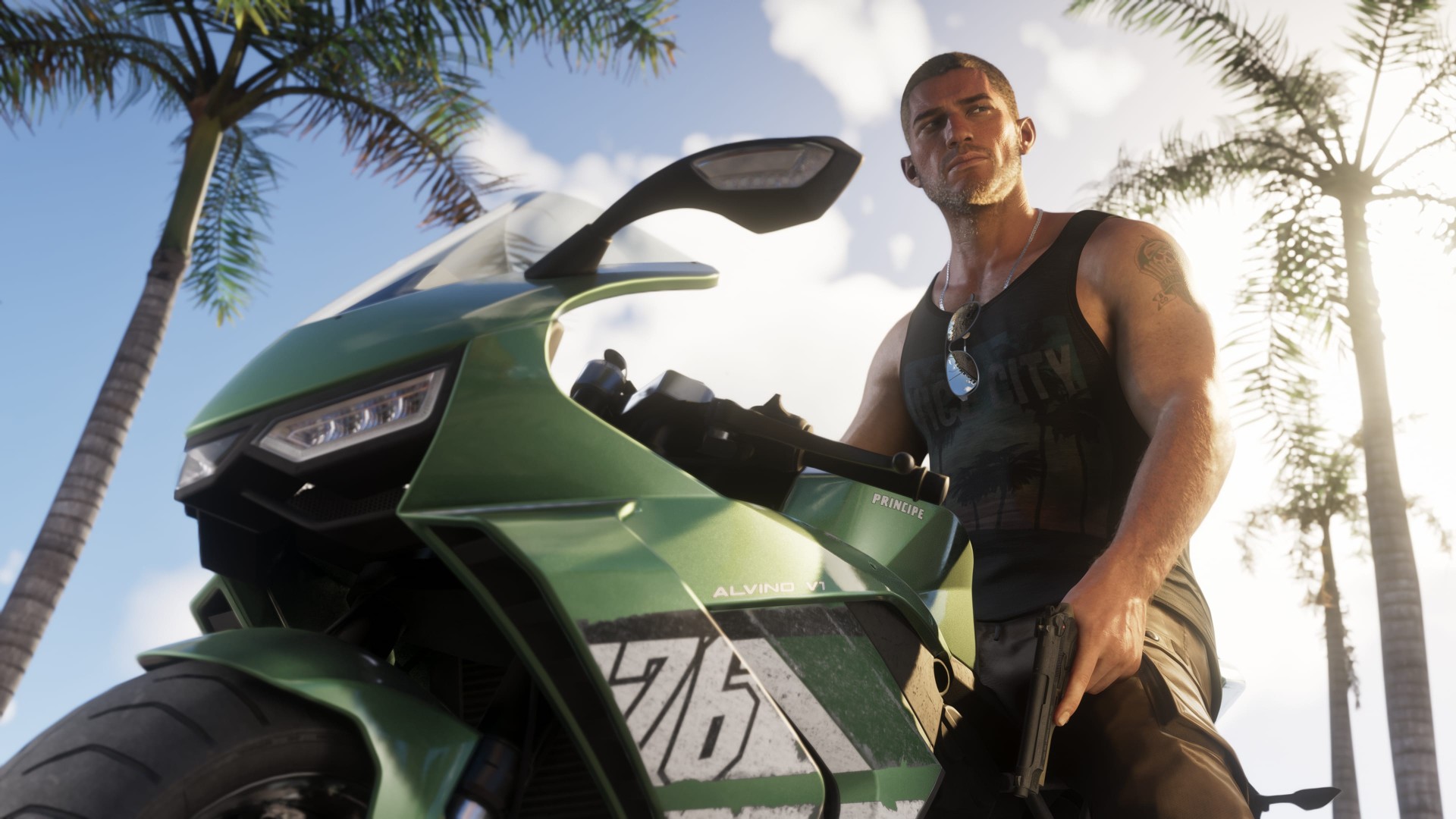
GTA 6 Is $80. Here's What Rockstar Still Hasn't Told You.
Rockstar confirmed GTA 6 pricing at $79.99 Standard and $99.99 Ultimate. The silence around PC, regional pricing, and GTA Online structure tells a bigger story than the price tag. Here's how to think about the $80 ask.
 Gaming
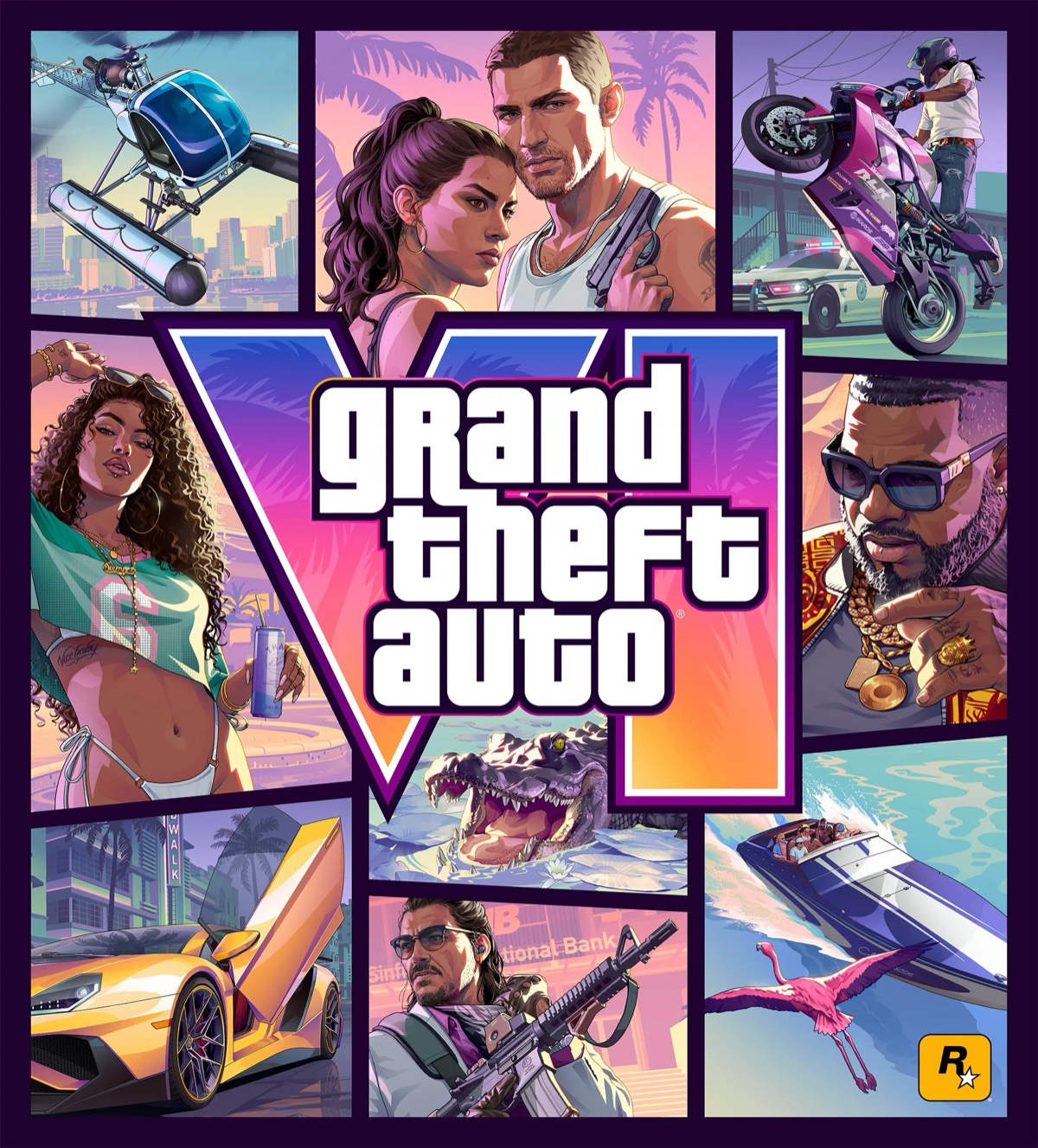
GTA 6's Cover Art Is Beautiful. June 25 Is About Something Else.
Rockstar revealed the official GTA 6 cover art on June 18, and it's a confident piece of franchise mythology. But pre-orders opening June 25 carry a question bigger than bonus content: is this the moment gaming crosses the $100 line?
 Gaming
I Hadn't Touched Spider-Man in Years, Then Spider-Man 2 Yanked Me Off the Roof
I came back to web-swinging after a long break, expecting to bounce off it. Instead I lost a whole weekend gliding over Marvel's New York and grinning like an idiot.