
Epic Lays Off 1,000, DLSS 5 Backlash, Xbox Partner Preview, and the White House's Video Game War Edits
Epic Cuts 1,000 Jobs. And That Wasn't Even the Biggest Story.
Epic Games laid off over 1,000 employees this week — 20% of its workforce — after Fortnite engagement dropped for the second consecutive year. In any normal week, that would dominate the news cycle. This wasn't a normal week. NVIDIA's DLSS 5 triggered a revolt over AI-generated game frames, Xbox revealed 19 titles in a Partner Preview, Crimson Desert launched into a DRM firestorm, and the White House posted war footage edited with Wii Sports and Call of Duty clips.
Here's what happened and why it matters.
Epic Games Lays Off Over 1,000 — Fortnite's Downturn Hits Home
On March 24, Epic Games confirmed the layoff of more than 1,000 employees — roughly 20 percent of its entire workforce. This is the second major round of cuts in three years, following 830 layoffs in September 2023, and it leaves the company with approximately 4,000 remaining employees.
CEO Tim Sweeney was blunt about the cause. "The downturn in Fortnite engagement that started in 2025 means we're spending significantly more than we're making," he wrote in an internal message posted to Epic's blog. The layoffs are paired with over $500 million in additional cost reductions across contracting, marketing, and unfilled roles.
The numbers tell the story. Fortnite's average monthly playtime on PlayStation dropped from 21 hours in February 2025 to 16 hours in February 2026, with similar declines on Xbox. After peaking at $5.4 billion in annual revenue around 2018, Fortnite dipped to $3.7 billion by 2019. Revenue recovered — 2023 was reportedly one of its biggest years at around $6.2 billion — but the engagement metrics have been declining steadily since, and the cost structure built during the boom years hasn't kept pace. The "metaverse" expansion strategy — spinning up multiple game modes within Fortnite to attract different audiences — hasn't delivered the engagement Epic needed.
Three of those modes are being killed alongside the layoffs: Rocket Racing (a Rocket League crossover, shutting down October 2026), Ballistic (a Valorant-style arena shooter, closing April 16), and Festival Battle Stage (also April 16). Epic acknowledged it "built a lot of Fortnite modes, and in some cases failed to build something awesome enough to attract and retain a large player base."
The Sweeney X Post That Made Everything Worse
What turned a painful-but-standard layoff story into a bonfire was Sweeney's post on X. "In the coming days, employers will see a stream of resumes of once-in-a-lifetime quality folks," he wrote, framing the layoffs as a hiring opportunity for other companies. He insisted Epic "never lowered our hiring standards" and that the cuts weren't performance-based.
The reaction was immediate and brutal. Michael Douse, Director of Publishing at Larian Studios, responded: "'I didn't fire 1000 people I flooded the market with once in a lifetime talent' is truly brilliant word salad, absolute LinkedIn brainrot." Kotaku, Wccftech, and others piled on, calling the message tone-deaf.
The severance package — at least four months' base pay, six months of Epic-paid healthcare in the U.S., accelerated stock vesting through January 2027, and an extended two-year equity exercise window — is genuinely generous by industry standards. But that didn't stop the optics of the X post from overshadowing it.
This is the pattern now. After the 2023 wave of layoffs across Microsoft, EA, Riot, and Bungie, followed by cuts at PlayStation, Take-Two, and others in 2024 and 2025, Epic's cuts confirm that even the company behind the most financially successful live-service game in history can't outrun the math when engagement slides.
DLSS 5: Nvidia's "Neural Rendering" Sparks an AI Graphics Revolt
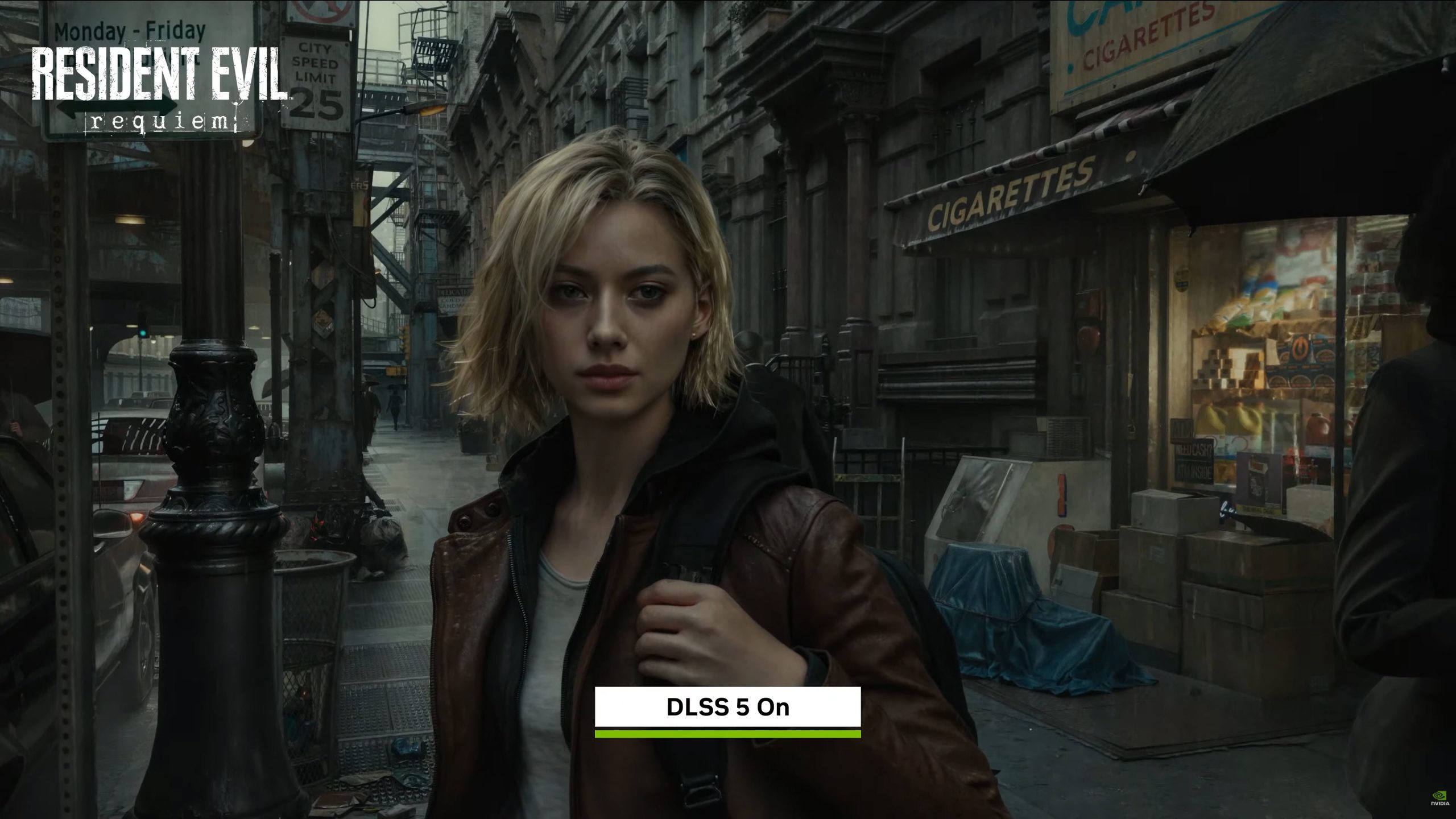
At Nvidia's GTC 2026 keynote on March 16, CEO Jensen Huang unveiled DLSS 5, describing it as a fundamental shift from traditional upscaling to "neural rendering." Rather than simply upscaling a lower-resolution image (the DLSS 1-4 approach), DLSS 5 uses what Nvidia calls "3D-Guided Neural Rendering" — a system that reconstructs lighting, materials, and reflections using generative AI models trained on game-engine data. It's initially exclusive to the upcoming RTX 50-series GPUs.
The demos looked impressive on paper. Nvidia showed DLSS 5 running on Resident Evil Requiem, Hogwarts Legacy, and Starfield, claiming significant improvements in ray-traced lighting and material detail. But the moment those demos hit the internet, the backlash was overwhelming.
What Players Actually Saw
The criticism is specific and consistent: over-sharpened textures, waxy character models, oversaturated lighting, and a tendency to make different art styles look the same. Players and digital artists across Reddit, Twitter, and YouTube have taken to calling the output "AI slop" — the same dismissive label applied to AI-generated images — arguing that DLSS 5 imposes a homogenized visual filter over games that were designed with intentional, distinct aesthetics.
Jensen Huang pushed back in an interview with Tom's Hardware, telling gamers they're "completely wrong." He argued that DLSS 5 operates at the level of geometry and textures, not as a crude post-processing filter, and that developers have fine-grained control via intensity sliders, color-grading tools, and per-material masks.
Commentators at TechRadar and Wccftech note a deeper issue: artistic control and platform lock-in. Developers worry about an AI system subtly overriding their intended art direction — even with control tools, the default behavior could homogenize visual output across titles. And PC players object to a flagship visual feature being locked to new, likely expensive GPUs at a time when the hardware market is already strained.
The DLSS 5 story is part of a much larger tension. After two years of generative AI being shoved into everything from game development tools to marketing pipelines, the gaming community's tolerance for anything labeled "AI" is at a historic low. Nvidia is discovering that technical merit doesn't matter if the output looks like what people have learned to distrust.
Xbox Partner Preview: 19 Games, 7 World Premieres, and a Very Busy Game Pass
Microsoft's March 2026 Xbox Partner Preview aired on March 26, hosted by Aaron Paul, and delivered a packed 30-minute showcase. The numbers: 19 games shown, 7 world premieres, and 14 titles confirmed for day-one Xbox Game Pass.
The Highlights
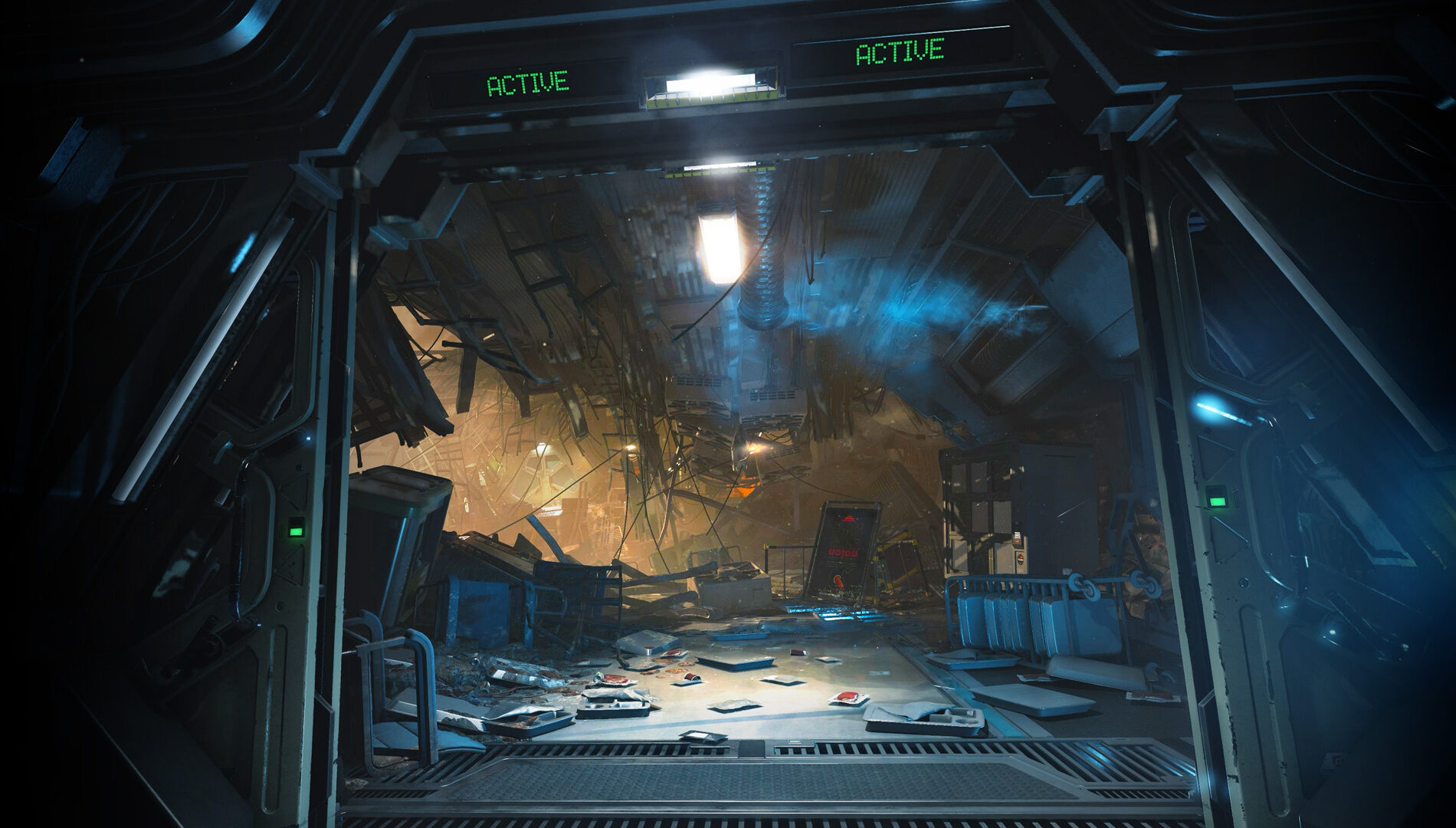
Alien Deathstorm stole the show. A first-person action horror game from Rebellion (the Sniper Elite and Atomfall studio), it drops you onto a remote off-world colony that's gone silent. You arrive as a Combat Engineer, days ahead of a full rescue fleet, into a "Deathstorm" — a planet-wide atmospheric cataclysm with hurricane-force winds, hostile alien creatures, and a colony being torn apart. It's coming to Xbox, PC, and cloud with day-one Game Pass in 2027.
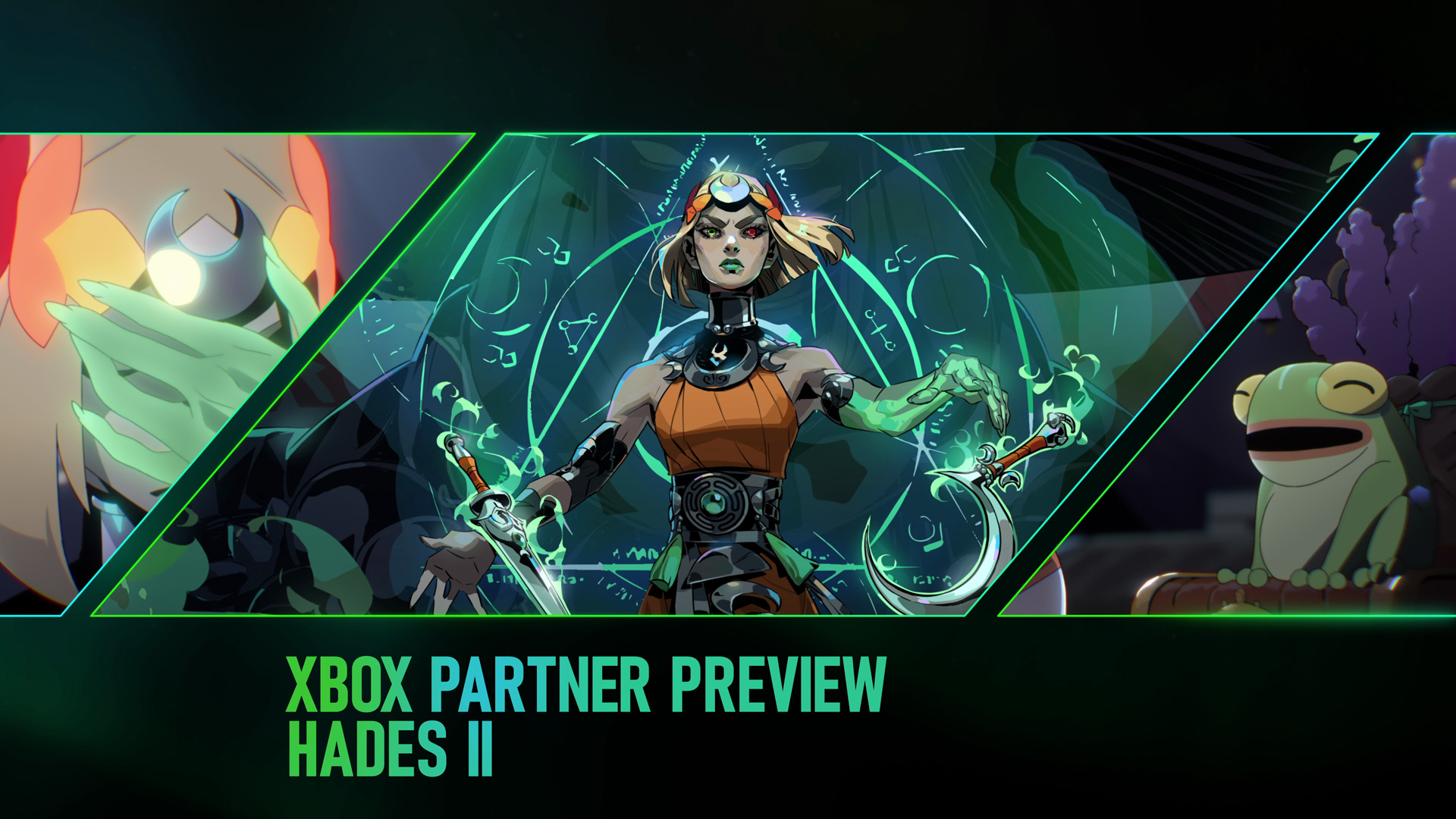
Hades II finally got its Xbox release date: April 14, 2026, day one on Game Pass. After a wildly successful Early Access run on Steam, Supergiant's follow-up to one of the best roguelikes ever made is hitting consoles.
Other notable reveals:
- Hunter: The Reckoning — Deathwish (World of Darkness universe first-person action, Summer 2027)
- Stranger Than Heaven from Sega's RGG Studio (the Yakuza team), spanning five time periods
- S.T.A.L.K.E.R. 2: Cost of Hope DLC (Summer 2026 on Game Pass)
- The Expanse: Osiris Reborn from Owlcat Games (beta April 22)
- Wuthering Waves (July 2026, Game Pass with exclusive benefits)
- Super Meat Boy 3D (March 31)
- Bluey's Happy Snaps (Fall 2026)
The subtext of the entire showcase is Microsoft's strategic pivot. After recent first-party studio closures and concerns about Xbox's exclusive output, the Partner Preview is a deliberate signal that third-party partnerships and Game Pass are the pillars Xbox is building on through 2026. Fourteen of nineteen games hitting Game Pass day one is aggressive, and titles like Hades II and Wuthering Waves bring significant existing fanbases into the ecosystem.
Crimson Desert: Big Sales, Bigger Controversy
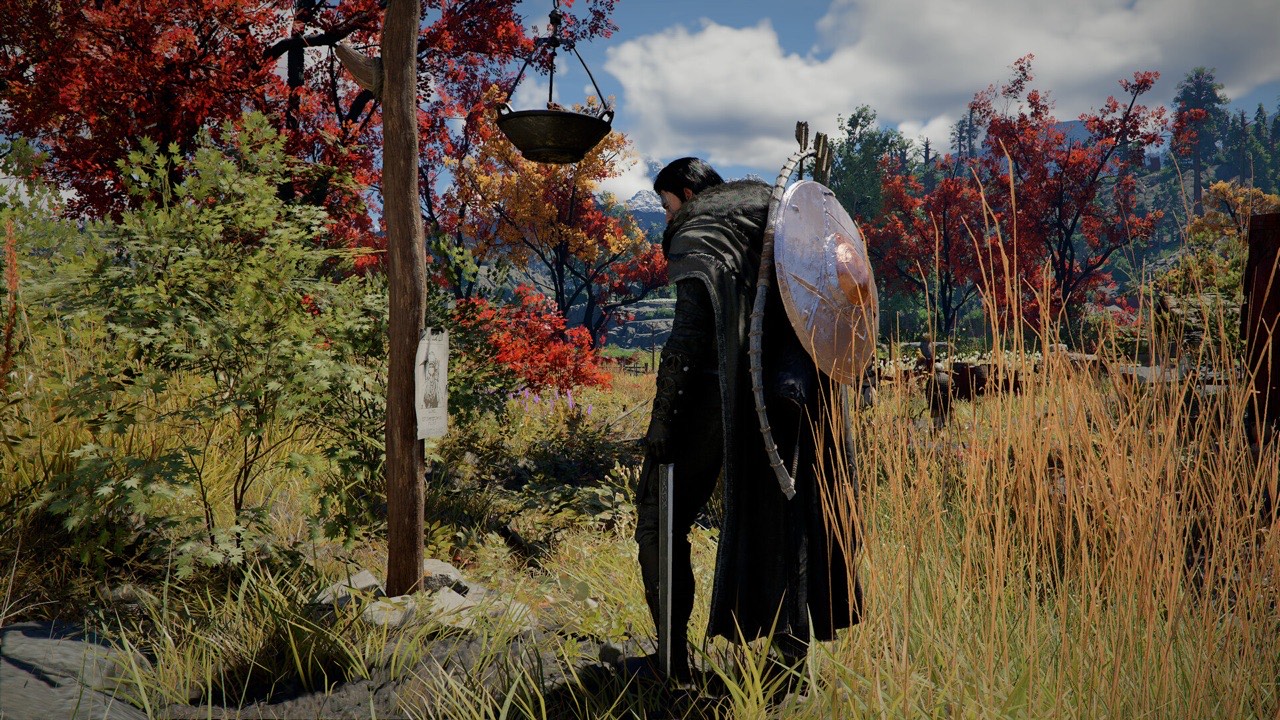
Pearl Abyss's open-world action RPG Crimson Desert launched on March 19 across PS5, Xbox Series X|S, and PC. The commercial performance has been strong — 2 million copies sold in the first 24 hours, 3 million within five days, with a peak of ~248,500 concurrent Steam players. Review scores have been solid (Metacritic 78, OpenCritic 81), and Steam user reviews climbed from "Mixed" at launch to "Very Positive."
But the pre-launch period was toxic, and the damage to community trust hasn't fully healed.
The DRM Bombshell
Around March 12 — one week before launch — the Steam store page was quietly updated to list Denuvo as third-party DRM. There had been no prior announcement. Players discovered the change organically, and the backlash was immediate. Denuvo has been a lightning rod in PC gaming for years, with players blaming it for performance issues, and the sneaky timing of the disclosure felt deliberately deceptive.
Intel Arc GPUs: Not Welcome
Pearl Abyss also confirmed that Intel Arc GPUs would not be supported at launch, telling affected players to seek refunds. For an industry trying to build a competitive GPU market beyond Nvidia and AMD, officially dropping support for an entire brand — rather than working with Intel on driver optimization — felt like a step backward.
Console Performance Concerns
Most pre-release footage was captured on high-end PCs, with limited transparency about console performance. Early Digital Foundry and community analyses revealed noticeable frame drops on PS5 and Xbox during certain open-world sequences, though post-launch patches have improved stability.
Crimson Desert is being watched as a test case: how far will players tolerate aggressive DRM, limited hardware support, and a "launch-and-patch" approach in exchange for a genuinely ambitious, content-rich premium game? So far, the answer appears to be "pretty far, but they'll complain the entire time."
The White House Turns War Into a Video Game
This is the story that shouldn't exist but does.
Starting in early March 2026, the White House posted roughly a dozen "hype" videos to X that spliced real, unclassified footage of U.S. military strikes on Iran with clips, sound effects, and visual styles from popular video games. The campaign was widely condemned for trivializing real-world violence.
The Specific Games
The videos didn't just reference gaming aesthetics in the abstract — they used specific, identifiable IP:
- Call of Duty: Modern Warfare III — A one-minute video opened with the MGB killstreak nuke from MW3, then cut to real strike footage with kill-score overlays. Caption: "Courtesy of the Red, White & Blue."
- Grand Theft Auto: San Andreas — CJ's iconic line "Ah shit, here we go again" opened a video before cutting to strikes. The word "WASTED" (GTA's death screen) was superimposed over explosion footage.
- Nintendo Wii Sports — A 52-second video titled "Operation Epic Fury" blended Wii Sports bowling, golf, and tennis imagery with nighttime strike footage. When targets were hit, Wii-style graphics read "Hole in one!", "Out of the park!", and "Strike!"
- Mortal Kombat — "Flawless Victory" audio was used as the capper on at least one montage.
Other pop culture references pulled from Iron Man, Top Gun: Maverick, Gladiator, John Wick, and SpongeBob SquarePants. One compilation video reportedly hit over 64 million views on X.
The Reaction
Senator Tammy Duckworth (D-IL), an Iraq war veteran who lost both legs in combat, responded: "War is not a video game. Six Americans are dead and thousands more are at needless risk because of your illegal, unjustified war."
Ben Stiller called out the use of Tropic Thunder footage: "We never gave you permission and have no interest in being a part of your propaganda machine. War is not a movie."
The Yu-Gi-Oh! official account on X released a statement confirming the franchise had no involvement and its IP was used without permission. Activision/Microsoft — whose Call of Duty footage was used — did not respond to press inquiries. Nintendo had not publicly commented.
The broader critique, framed by outlets like Vox and The Nation, is that this represents a disturbing evolution of "gamified" messaging — using the familiar visual language of games to make war content more shareable, more emotionally detached, and more palatable to a generation raised on gaming.
What's Launching This Week
March 27 brings two notable releases to round out an already packed month:
Mega Man Star Force Legacy Collection hits PC, PlayStation, Xbox, and Switch, bundling multiple entries in the Star Force sub-series with dual-screen emulation, online features, and archival bonuses celebrating the franchise's twentieth anniversary.
007: First Light — originally scheduled for today — was pushed to May 27, 2026 across PS5, Xbox, Switch 2, and PC. It would have added a major licensed franchise to a month that already includes World of Warcraft: Midnight, Monster Hunter Stories 3, Death Stranding 2 on PC, and Crimson Desert.
March 2026 has been the month the year's gaming calendar "switched on." After a relatively quiet January and February, the density of major releases and industry-shaking stories has been relentless.
Three things to watch in April: whether Epic's remaining 4,000 employees can stabilize Fortnite's engagement metrics with fewer resources; whether NVIDIA adjusts DLSS 5's messaging before launch after the backlash; and whether Crimson Desert's Denuvo controversy translates into actual sales impact or blows over within a week. This March set the table. April serves the consequences.
Sources
- Epic Games Official Blog — "Today's Layoffs"
- PC Gamer — Epic CEO Sweeney says employers will see "once-in-a-lifetime" resumes
- PC Gamer — Epic lays off more than 1,000
- Wccftech — Sweeney draws "LinkedIn Brainrot" criticism
- Kotaku — Tim Sweeney "savaged online"
- PCGamesN — Epic kills 3 Fortnite modes
- Xbox Wire — Partner Preview March 2026 Recap
- Xbox Wire — Alien Deathstorm Feature
- Pure Xbox — All 19 Reveals from Xbox Partner Preview
- ABC News — White House "hype" videos
- Kotaku — White House uses Call of Duty killstreak footage
- TMZ — White House Wii Sports Iran bombing video
- PC Gamer — GTA "here we go again" in White House war video
- NBC News — White House memeified war videos

Founder of GGS Blog and Site Reliability Engineer at Box. I write about gaming, AI in gaming, and game development with a technical lens — 10+ years in software engineering, 20+ years as a gamer. My work focuses on what the tech actually means for players.
Never miss a post
Subscribe to the GGS Blog newsletter for gaming news, tech insights, and AI in the game industry — delivered straight to your inbox.
Free. No spam. Unsubscribe in one click.
Comments
What to Read Next
Continue exploring our coverage of gaming, technology, and AI.
 Industry News
GTA 6: The Forums Say 20 Minutes. The Market Says Don't Bet on 30.
Polymarket traders and Reddit threads are measuring the same GTA 6 audience and returning different readings. Ahead of the August 27 Netflix showcase, here's what each instrument actually sees, why the $1.39 billion everyone is quoting is the wrong number, and why I can't tell you which reading to trust.
 Industry News
Arc Raiders Lost 80% of Its Steam Players. It's Still One of 2026's Biggest Games.
Arc Raiders' Steam concurrent count has cratered and recent reviews flipped to Mixed — but the game has sold 16 million copies and Embark is still patching it every two weeks. The scary chart isn't the real story. The content gap might be.
 Industry News
PlayStation's 'The Playerbase' Wants to Put You Inside Gran Turismo 7 — Read the Fine Print First
Sony just launched a fan-integration program that scans one winner into Gran Turismo 7 with a custom logo and livery. The headline is flattery; the licensing terms are forever. Here's what's happening underneath, what it costs you, and why PlayStation is doing it now.