
PlayStation's 'The Playerbase' Wants to Put You Inside Gran Turismo 7 — Read the Fine Print First
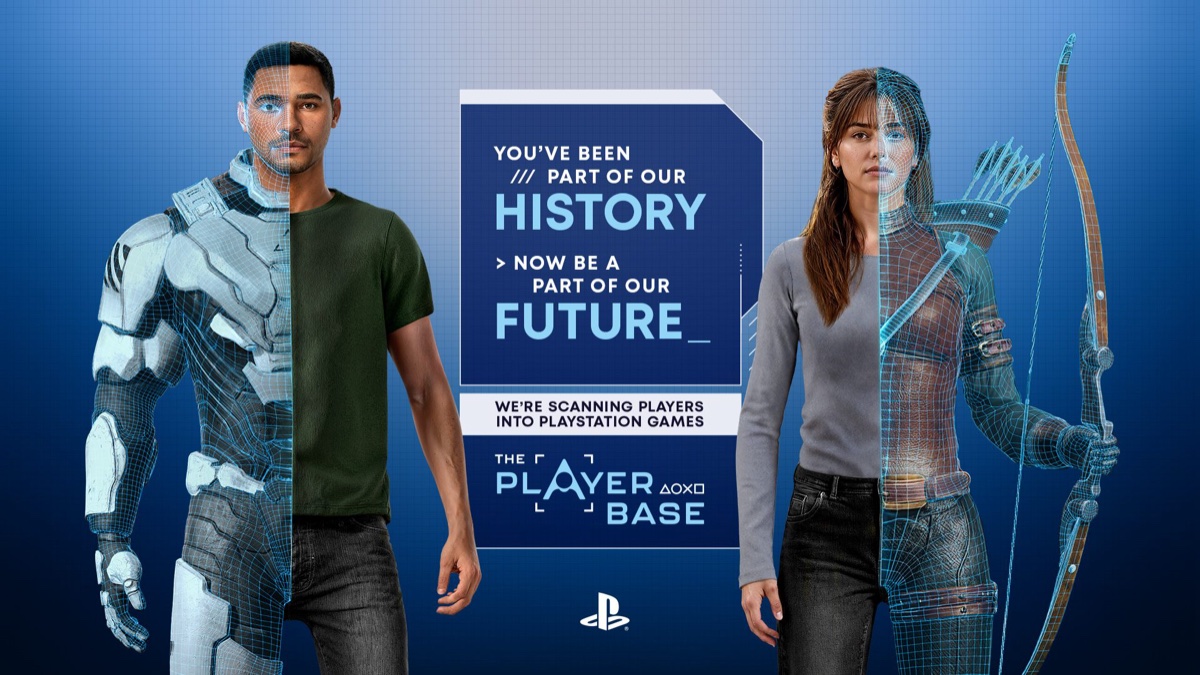
PlayStation will fly one fan to Los Angeles, scan their face in a 3D capture studio, pair them with a Sony designer to build a fantasy logo and a custom car livery, drop their character portrait into Gran Turismo 7, and add the livery permanently to the game's Showcase menu. That's the offer. The catch — and there is one — is buried in a participation page nobody is going to read carefully because they're too busy imagining their face on a Gran Turismo loading screen.
Sony announced The Playerbase on April 7, framing it as a thank-you to the fans "who make PlayStation what it is today." The phrasing came from Isabelle Tomatis, VP of Global Marketing at Sony Interactive Entertainment, in the official blog post. The mechanics are clean: apply at playstation.com/the-playerbase, answer a few questions about your relationship with the platform, link your PSN ID, sit for a video interview if you make the finalist cut, and one person gets the prize. The winner shows up in Gran Turismo 7 sometime in summer 2026.
It's a smart program. It's also more strategically interesting than the press coverage is making it out to be — and the comments under the announcement post are doing a much better job than the headlines at spotting what's going on underneath.
What You Actually Get (And What Sony Actually Gets)
Strip the marketing language out and the deal looks like this:
The winner receives:
- A flight to Los Angeles plus lodging for themselves and one guest
- A 3D head scan at a Sony visual arts studio
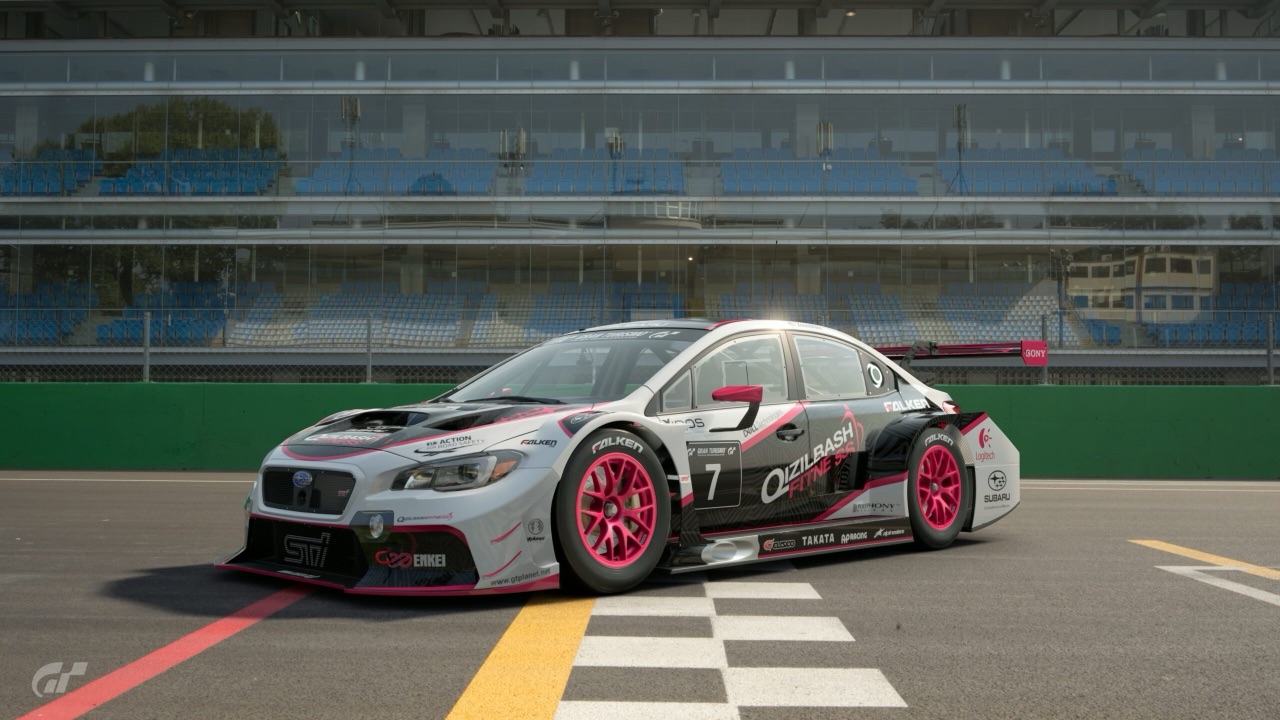
- A collaboration session with Sony's design team to create a custom Fantasy Logo and a one-of-a-kind vehicle livery
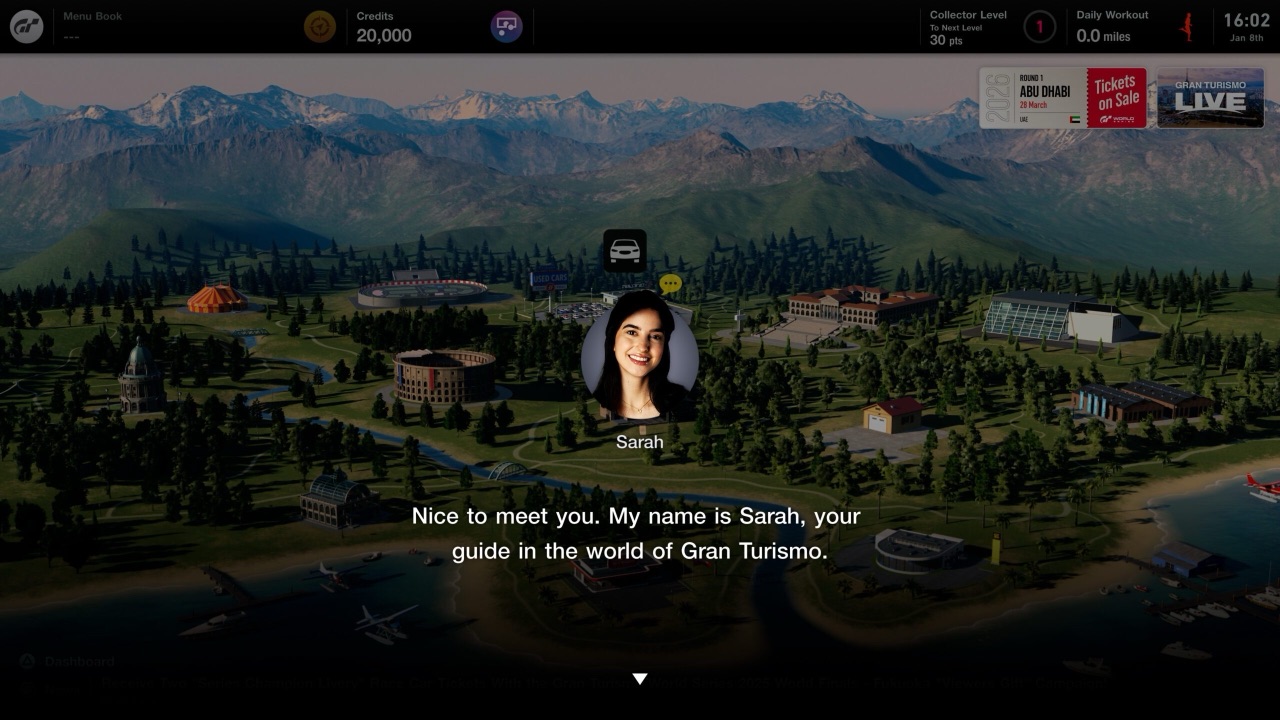
- A character portrait somewhere in Gran Turismo 7 — Sony has been careful to call it "limited-time," meaning it might be a loading screen or background NPC, not a playable model
- Their custom logo and livery added permanently to the in-game Showcase menu, where any GT7 player can see it
Sony receives:
- A broad license to the winner's likeness and the assets created during the collaboration — multiple commenters analyzing the participation terms have flagged language that reads as worldwide, perpetual, and sub-licensable
- A talented community spokesperson, pre-vetted through a video interview, that the marketing team can deploy on social media for as long as Gran Turismo 7 stays relevant
- A live demo of the program's emotional appeal, ready to roll out to the next first-party studio
- Months of organic news coverage from outlets that cannot resist a "fan becomes part of the game" headline
The likeness clause is the part that's going to age awkwardly. It's not unique to Sony — every model release form for any commercial production has language like this. But in the context of a multi-billion-dollar platform holder asking unpaid fans to assign their face rights for the long haul, the asymmetry is hard to ignore. A working concept artist who designed a livery for Polyphony would be on a contract with day rates and revisions. A fan who designs the same livery gets a flight and a story to tell.
I'm not saying that's a scandal. I'm saying it's the deal, and the marketing copy is doing a lot of work to make it feel like the opposite of a deal.
Why "Career-Defining Fan" Is the New Marketing Beat
Pull up and look at the wider context. PlayStation has spent the last twelve months hunting for a new community story.
The live-service push the company bet on aggressively in 2024-25 has had a brutal couple of quarters. Concord shut down. Marathon's pre-launch reveal triggered the kind of backlash that ends careers. Several other internal live-service projects got quietly canceled. The strategic argument that PlayStation needed games-as-a-service revenue to compete with Microsoft's subscription model never quite landed with PS5's actual audience, which keeps showing up to play single-player blockbusters.
So Sony is reaching for community engagement that doesn't require running a live-service operation. The Playerbase is one shape of that. The recent push around Astro Bot's community challenges is another. The expanded PlayStation Stars rewards program is a third. Each of these costs Sony almost nothing relative to the cost of building a Destiny 2 competitor, and each one generates the kind of "PlayStation cares about its fans" headline that the company badly needs after the Helldivers 2 PSN account fiasco of 2024 and a year of canceled-game stories.
The Playerbase, in particular, is a clever hack. It produces:
- A user-generated cosmetic (the livery + logo) that lives inside the game's existing system without requiring any new tech.
- A vetted ambassador that the marketing team can lean on for content for the next twelve months.
- A signal to other PlayStation Studios teams that there's now an internal program they can plug into, lowering the cost of "fan integration" features for upcoming titles.
That third point is the one most coverage is missing. The Playerbase isn't about Gran Turismo 7. Gran Turismo 7 is the pilot. The infrastructure being built — the legal forms, the application pipeline, the LA scanning studio relationship, the cross-team collaboration playbook — is the real product. Sony wants to be able to bolt a "Playerbase fan" onto Horizon, Spider-Man, Ghost of Yotei, and the next Naughty Dog game without rebuilding the workflow each time.
The Problem With Calling It "Community"
I want to be careful here, because it's easy to be cynical about this and miss the upside for the winner. Whoever takes this contest is going to have a story they tell at every dinner party for the next decade. They get to meet a Sony designer, see the inside of a working visual arts studio, watch their face get scanned by the same rig used for movie VFX, and end up with their name in a Gran Turismo Easter egg. That's an irreducible thing, and the people calling it "exploitation" in the comment threads are flattening something that matters to real fans.
But the language Sony is using — "community," "thank you," "fans who make PlayStation what it is today" — is doing rhetorical work that the structure of the program doesn't support. A community program is one where many people can participate. The Playerbase produces one winner per game, after a multi-stage selection process that filters thousands of applicants down to a handful of video interviewees down to one. That's not a community program. It's a contest with a community framing.
The closest analogue isn't Bungie's player-spotlight reels or FromSoft acknowledging speedrun records. The closest analogue is NBA 2K's MyPLAYER face scan feature, which has let any player put their face into the game for years — for free, on their phone, with no contest required. WWE 2K does the same thing. Even some indie sports games offer it. The difference is that 2K spreads the face-scanning across millions of buyers as a feature, while Sony is making a media event out of giving the same treatment to one carefully chosen fan. One of those is a community feature. The other is a promotional campaign about how much you care about community.
That distinction matters because it tells you what to expect next.
What "Future PlayStation Titles" Probably Means
Sony was deliberately vague about which games come after Gran Turismo 7. The official phrasing is that Playerbase will expand to "additional PlayStation Studios titles, with integration tailored to each game's unique style and world." Read that as: we're going to do this whenever the next first-party launch needs a PR boost.
My short list of where this lands next, in order of likelihood:
- Marvel's Spider-Man 4 — easiest fit, billboards and crowd extras already exist as scenery in every Insomniac open-world city. Zero technical lift.
- Horizon spinoff or sequel — Aloy's world has plenty of NPC slots and tribal designs that could absorb a fan-collaborated outfit or face.
- Ghost of Yotei — would be tasteful and limited. Probably a single banner or shrine offering with a fan name carved into it.
- The next Gran Turismo update or GT8 — racing games are the genre this format works best in, because liveries and decals are first-class systems. This will be a recurring well.
- Naughty Dog's next project — least likely. Naughty Dog protects its tone obsessively and wouldn't surrender a character slot to a contest winner without a fight.
Notice what's missing from that list: anything live-service. The Playerbase is, structurally, single-player content. It's a cosmetic injected into a finished game. It is not a player-creation tool, not a UGC pipeline, not a marketplace. Sony's not giving fans the keys to the workshop. Sony is giving one fan a key, and then making a video about it.
What I'd Actually Ship If I Were Running This
Quick aside, because I think the program could be much better with two changes that would cost Sony almost nothing:
1. Make the licensing time-bound, not perpetual. A 5-year non-exclusive license is enough to put the asset in the game and use it in marketing for the title's lifecycle. Asking for "perpetual, irrevocable, worldwide" rights from a fan in exchange for a flight and a hat is overreach, and one well-placed angry tweet from a winner three years from now could undo all the good will the program is trying to generate. Time-bound licensing is the cheap fix.
2. Make it a tier system, not a single winner. One grand prize winner gets the LA trip and the in-game appearance. But the next 99 finalists get their custom livery designs added to the Showcase menu. The next 1,000 get a unique Playerbase profile flair. Now it's a community program. The cost to Sony is approximately one engineer-week of livery import tooling. The marketing payoff is enormous, because every participant has a reason to talk about it, not just the one winner.
Neither of these will happen, because the current program is a marketing campaign optimized for press coverage, and tiers of consolation prizes don't generate clean headlines. But if Sony wanted The Playerbase to be a community story instead of a contest story, the gap between what they shipped and what they could have shipped is small.
How to Apply (If You're Going to Anyway)
I know how this kind of analysis lands — I've been picking at the program for 1,500 words, but if you're a Gran Turismo 7 player who has been driving virtual cars since the PS1, you're going to apply anyway, and you should. The story you'll tell if you win is worth more than my caveats. Here's the practical version:
- Where: playstation.com/the-playerbase, live as of April 7
- What you need: a PSN ID linked to a real PlayStation account history, ideally with Gran Turismo time on it
- Markets: Americas, Europe, Asia, South Africa, Australia (specific country list buried in the eligibility T&Cs — read it before you apply, because residents of certain regions are excluded)
- Format: written application, then video interview if you make the finalist cut
- Timeline: announcement of the GT7 winner is targeted for summer 2026
- Read the consent form before signing. Specifically the likeness rights section. If you're the kind of person who might want a creative career later, understand what you're signing away. If you're a fan who just wants the experience, sign it knowing what you're trading.
What This Tells Us About Where PlayStation Is Going
The bigger story under The Playerbase isn't the program itself. It's that Sony's community strategy has shifted from "build live-service games where players spend hundreds of hours" to "find creative low-cost ways to make players feel seen by the platform between releases." That's a significant strategic pivot, and one that fits the current PS5 audience much better than the live-service push ever did.
PlayStation owners — the actual ones, not the ones in slide decks — are people who buy a console to play God of War, finish it in three weeks, and then go quiet for six months until the next single-player tentpole drops. The challenge for Sony's marketing team is keeping that audience emotionally connected to the platform during the long quiet stretches. Programs like The Playerbase are tailor-made for that gap. They cost almost nothing, generate a story arc that lasts months, and produce social-media content the company can deploy whenever a release window opens up.
Expect more of this. Expect a Playerbase-style fan integration in every major first-party launch from now through the end of the PS5 generation. Expect a couple of them to be tone-deaf in interesting ways. Expect at least one winner to get caught up in a controversy that the legal team didn't see coming. And expect, the whole time, a thousand applicants to send in heartfelt videos for every winner that gets selected, because at the end of the day, the offer of having your face scanned into a Gran Turismo 7 loading screen is still — to a certain kind of fan, with a certain kind of memory of the original Gran Turismo on a PS1 in 1998 — completely irresistible.
That's the part Sony understands better than its critics give it credit for.
Sources
- Introducing The Playerbase — PlayStation Blog
- PlayStation to Start Putting Fans into PS5 Games with New Playerbase Program — Push Square
- Sony launches PlayStation Playerbase, lets you become a Gran Turismo 7 character — NotebookCheck
- PlayStation Is Giving Fans An Opportunity To Be Included In Major First Party Games — Game Rant
- Sony's 'The Playerbase' Puts Players Into PlayStation Games Starting With Gran Turismo 7 — Player.One

Founder of GGS Blog and Site Reliability Engineer at Box. I write about gaming, AI in gaming, and game development with a technical lens — 10+ years in software engineering, 20+ years as a gamer. My work focuses on what the tech actually means for players.
Never miss a post
Subscribe to the GGS Blog newsletter for gaming news, tech insights, and AI in the game industry — delivered straight to your inbox.
Free. No spam. Unsubscribe in one click.
Comments
What to Read Next
Continue exploring our coverage of gaming, technology, and AI.
 Industry News
GTA 6: The Forums Say 20 Minutes. The Market Says Don't Bet on 30.
Polymarket traders and Reddit threads are measuring the same GTA 6 audience and returning different readings. Ahead of the August 27 Netflix showcase, here's what each instrument actually sees, why the $1.39 billion everyone is quoting is the wrong number, and why I can't tell you which reading to trust.
 Industry News
Arc Raiders Lost 80% of Its Steam Players. It's Still One of 2026's Biggest Games.
Arc Raiders' Steam concurrent count has cratered and recent reviews flipped to Mixed — but the game has sold 16 million copies and Embark is still patching it every two weeks. The scary chart isn't the real story. The content gap might be.
 Industry News
Competitive Young Gamers vs. Older Working Players — Which Audience Is Actually More Lucrative?
Gen Z plays more but spends 25% less. Millennials drop $100 on a single in-game purchase without flinching. The gaming industry's most lucrative audience isn't who you'd expect — and the answer depends on what kind of studio you are.