
NetEase Pulls Funding From Nagoshi Studio — Gang of Dragon May Never See the Light of Day
From Standing Ovation to Funding Crisis in 90 Days
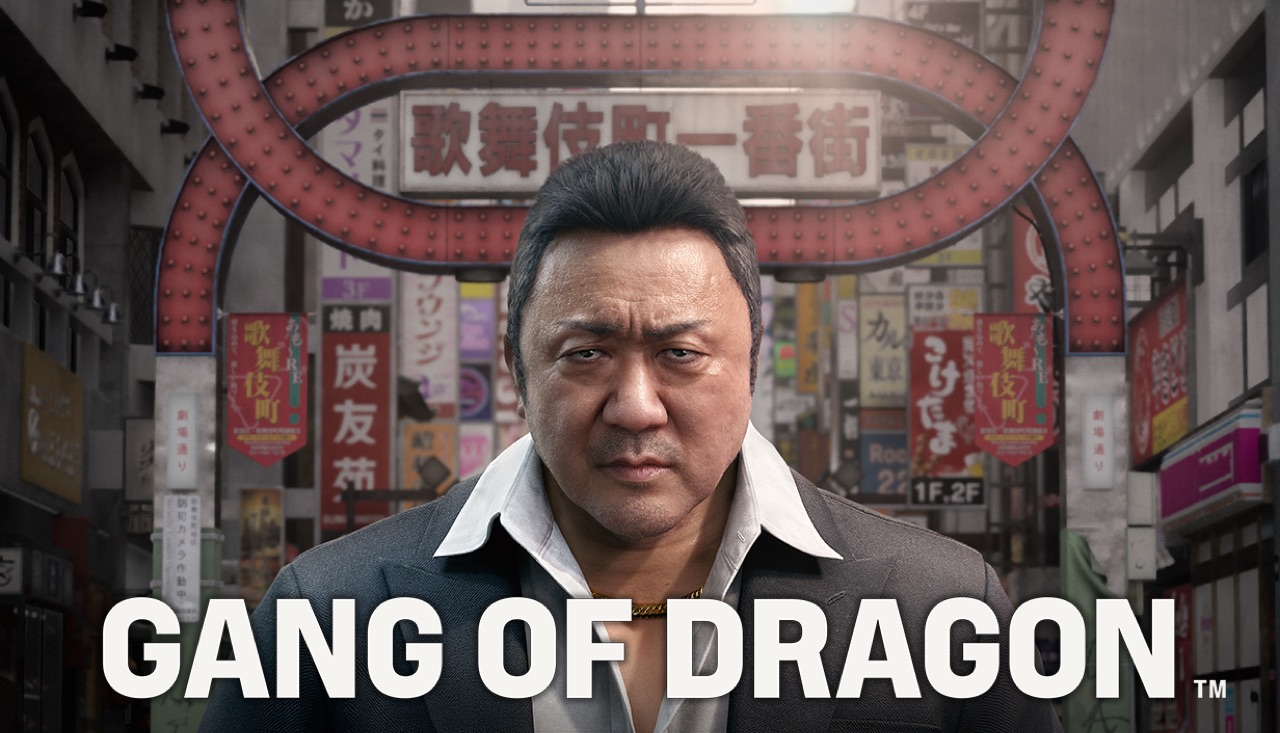
On December 11, 2025, Toshihiro Nagoshi walked onto the stage at The Game Awards in Los Angeles and showed the world Gang of Dragon -- his first game since leaving Sega and the Yakuza franchise he created. The trailer featured Korean-American actor Ma Dong-seok (known internationally for Train to Busan and Marvel's Eternals) as the lead, brutal street combat in Tokyo's Kabukicho district, and the unmistakable creative DNA of the man who built one of gaming's most beloved series. The audience was thrilled. The internet was hyped. The future looked bright.
Ninety days later, that future is in serious jeopardy.
On March 7, 2026, Bloomberg reporters Takashi Mochizuki and Zheping Huang broke the news: NetEase Games will cease all funding to Nagoshi Studio effective May 2026. The reason? The Chinese tech giant determined that Gang of Dragon requires an additional 7 billion yen -- approximately $44.4 million USD -- to reach completion. NetEase decided the math no longer worked.
Employees at Nagoshi Studio were informed of the decision on March 6. Nagoshi is reportedly searching for alternative investors, but as of this writing, he has found none.
What We Know About the Funding Cut
Let's break down the specifics of what happened, because the details matter.
NetEase owns Nagoshi Studio outright. The studio was incorporated in November 2021 as a wholly owned subsidiary of NetEase Games. This means NetEase isn't just a publisher or investor -- it is the parent company. When NetEase says "we're done," the studio doesn't simply lose a funding partner. It loses everything: the money, the infrastructure, and potentially the rights to its own work.
The $44.4 million figure is the additional funding required. We don't know the total development budget so far, but considering the studio has been operational since late 2021 with a team of experienced AAA developers, it's safe to estimate tens of millions have already been spent. The $44.4 million represents what's left on the bill, not the total cost.
The cutoff date is May 2026. NetEase has given the studio roughly two months from the announcement to figure out its future. That's not a lot of runway to secure tens of millions in alternative funding, especially in a market where investors are skittish about AAA game development costs.
Nagoshi Studio can theoretically survive -- if it buys its way out. According to reporting from multiple outlets, NetEase has told the studio it can continue to operate independently, but only if it purchases the rights to its assets and brand. In other words, Nagoshi would need to find enough money not just to finish the game, but to buy back the intellectual property and development materials that his own team created.
This is the cruelest part. The team made the game. NetEase holds the keys.
Who Is Toshihiro Nagoshi and Why Does This Matter?
For anyone unfamiliar with why this story carries weight beyond a typical studio closure, some context.
Toshihiro Nagoshi spent over 30 years at Sega. He joined the company in 1989 and rose to become Chief Creative Officer. His most significant creation is the Yakuza series (now rebranded as Like a Dragon), which he launched in 2005. What started as a niche Japanese crime drama grew into one of gaming's most critically acclaimed and commercially successful franchises, spanning mainline entries, spin-offs, and a complete genre pivot from action-brawler to turn-based RPG with Yakuza: Like a Dragon in 2020.
Nagoshi also founded Ryu Ga Gotoku Studio (RGG Studio) within Sega, the internal team responsible for the Yakuza/Like a Dragon games and the Judgment series. He didn't just create a game -- he built an entire development culture.
In October 2021, Nagoshi left Sega. His departure was major news. He took several key members of RGG Studio with him, including Daisuke Sato (series producer), Kazuki Hosokawa (art director on Yakuza), Koji Tokieda (lead programmer on Yakuza 7), Naoki Someya (art director on Judgment), and Toshihiro Ando (lead character designer on Judgment). It was effectively a brain drain of Yakuza's creative core.
The move to NetEase seemed like a genuine second act. Here was a legendary creator, freed from the corporate machinery of a major publisher, backed by one of the world's richest gaming companies, building something new with his most trusted collaborators. NetEase said the studio would "develop high-quality titles for worldwide release, with a primary focus on the console software business."
That promise lasted about four years.
Gang of Dragon: The Game That May Never Ship
Gang of Dragon wasn't just another announcement in a TGA sizzle reel. It was a statement.
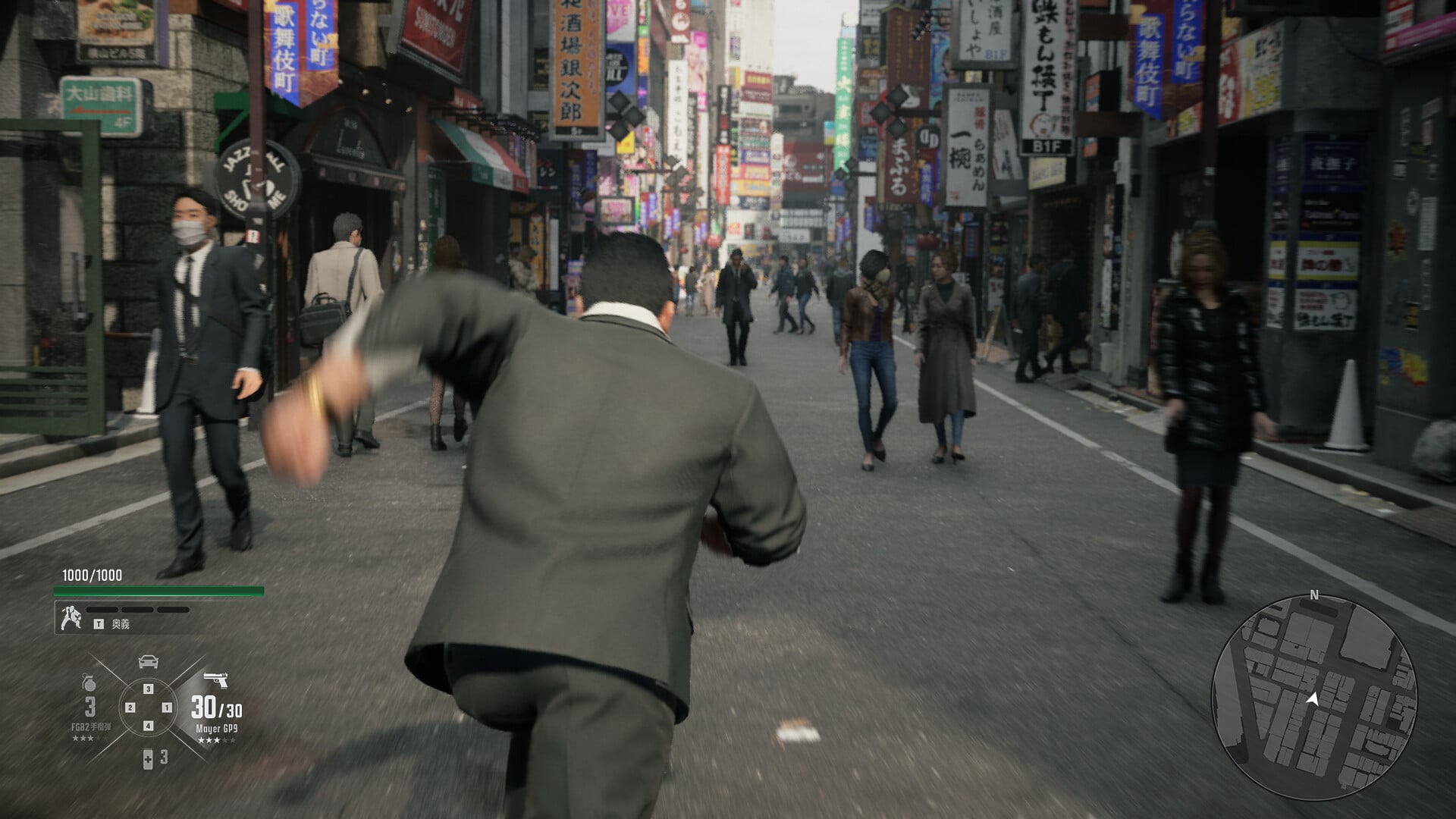
The game stars Ma Dong-seok (also known as Don Lee) as Shin Ji-seong, a high-ranking member of a Korean crime syndicate operating in Kabukicho, Shinjuku's infamous nightlife and entertainment district. If that sounds like Yakuza with a Korean protagonist, you're not wrong -- and that was exactly the appeal. Nagoshi was doing what he does best, but with a fresh cultural lens and the freedom of his own studio.
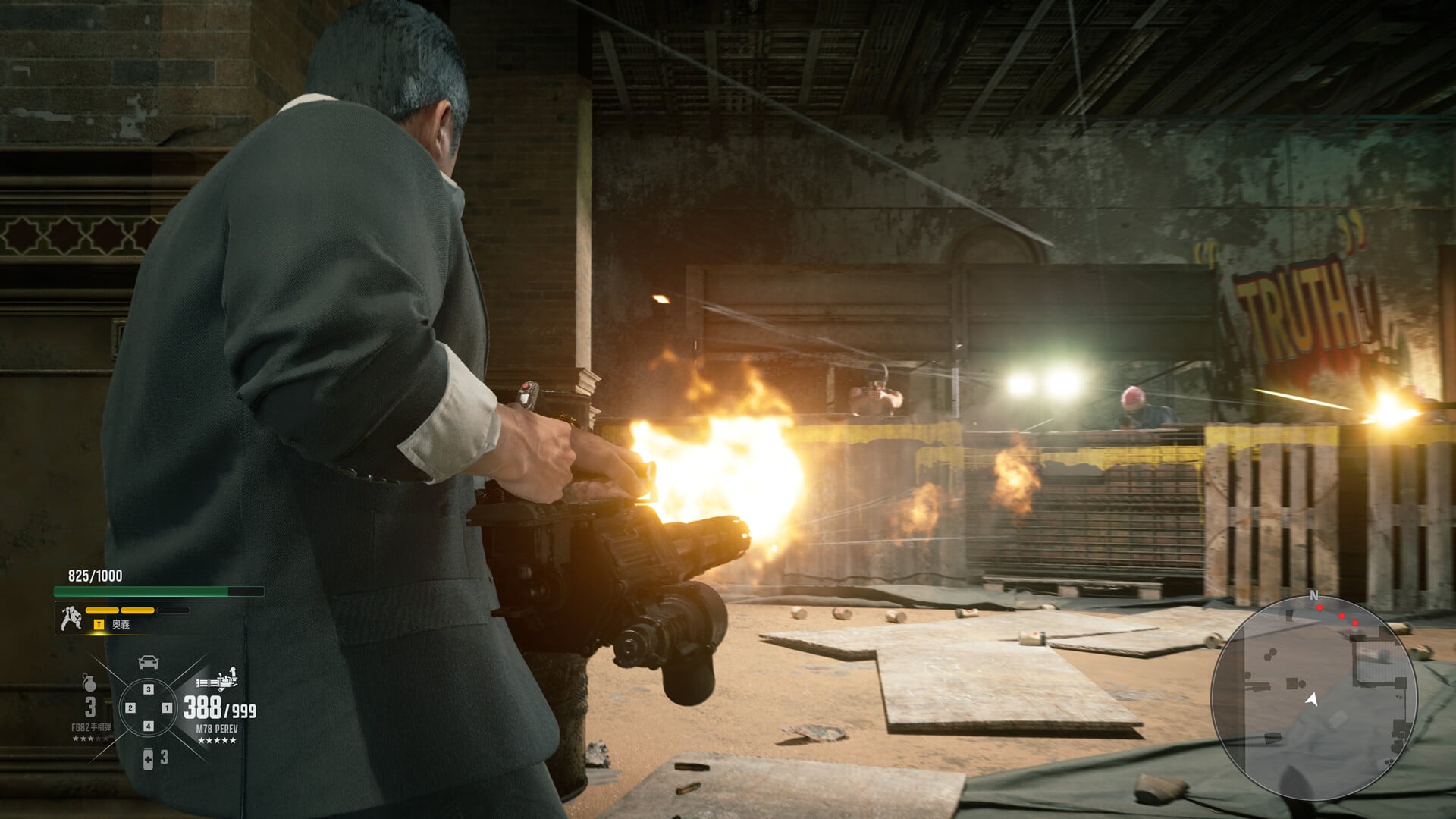
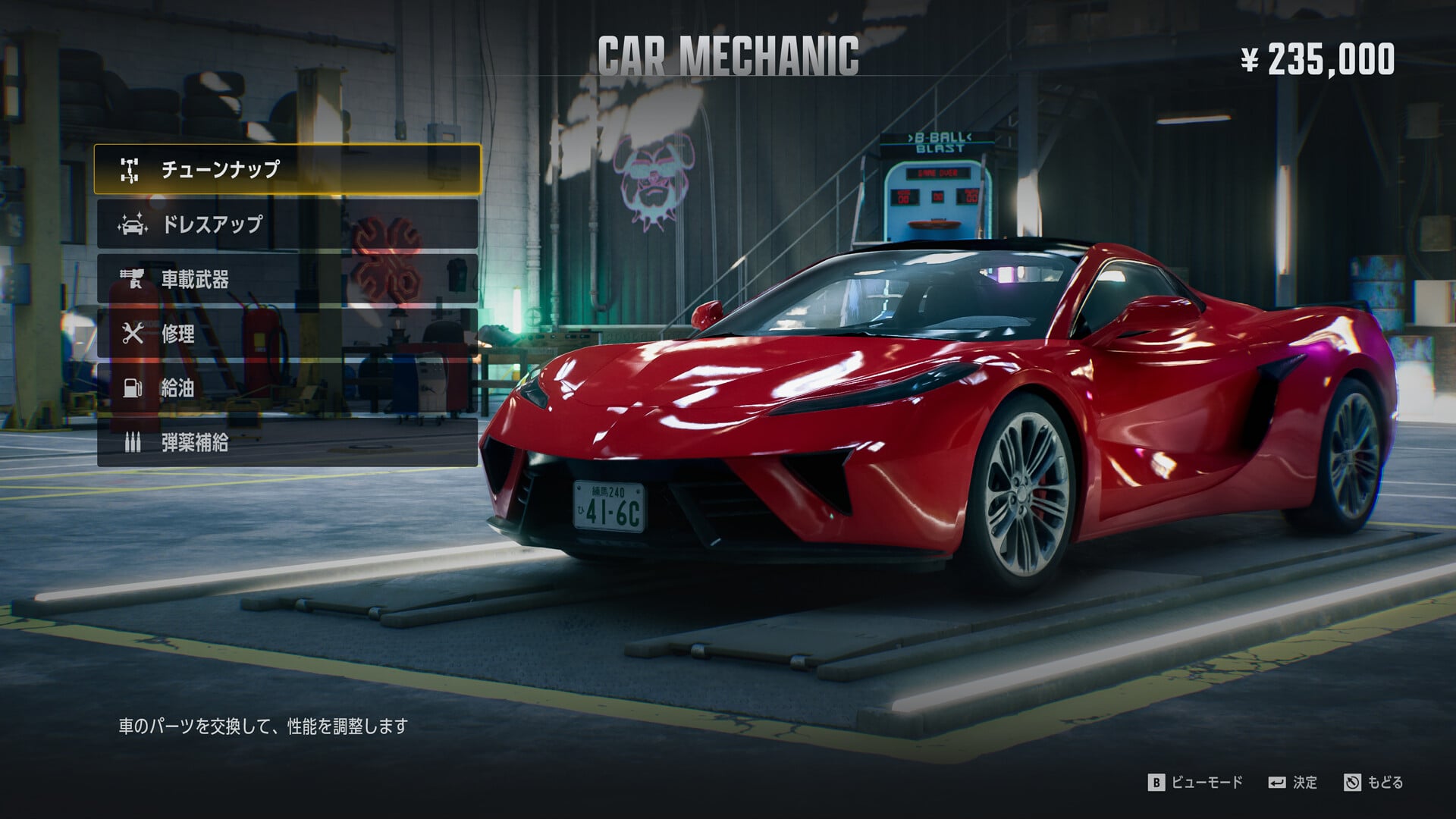
The gameplay shown featured brutal hand-to-hand combat, blade attacks, gunplay, and vehicle action across a detailed open-world recreation of one of Tokyo's most iconic neighborhoods. The Steam page went live shortly after the reveal, and new screenshots released in late December 2025 showed combat mechanics, car customization, and the kind of atmospheric detail that Nagoshi's teams have always excelled at.
There was no release date. There was no announcement of platforms beyond PC. But the excitement was real, and the pedigree was undeniable.
Now that excitement has been replaced by a funding crater. The game was described as "deep into development" at the time of the TGA reveal, which makes the $44.4 million additional requirement all the more staggering. If the game was deep into development, how much more could it possibly need? The answer, apparently, is a lot.
NetEase's Graveyard of Abandoned Studios
If Nagoshi Studio's situation feels familiar, that's because you've seen this exact story play out multiple times in the last two years -- all with the same parent company.
NetEase went on an aggressive international studio acquisition and creation spree in the early 2020s. The company was flush with mobile gaming revenue from China and wanted to establish a presence in the global AAA console and PC market. It launched or invested in studios across Japan, Europe, and North America, recruiting high-profile talent from Blizzard, Ubisoft, BioWare, and other established developers.
Then, one by one, it pulled the plug.
Here's the kill list:
- Ouka Studio (Tokyo) -- Gutted in August 2024, formally closed by December 2024. Best known as the developer of Visions of Mana for Square Enix, which was shut down the same day the game launched.
- T-Minus Zero Entertainment -- Closed August 2025. Later rescued and relaunched independently by its founders.
- Fantastic Pixel Castle -- Closed November 2025. Founded by former World of Warcraft and League of Legends designer Greg Street. Was developing an MMO codenamed Ghost. Operated for roughly two years before NetEase cut funding.
- Bad Brain Game Studios (Canada) -- Closed November 2025. Founded by former Ubisoft Watch Dogs developers. Never shipped a game. Its project The Midnight Riders was shelved.
- Worlds Untold -- NetEase pulled funding. Status unclear.
- Jar of Sparks -- NetEase pulled funding. Status unclear.
- Humanoid Origin -- NetEase pulled funding. Status unclear.
The pattern is unmistakable. NetEase recruited marquee talent, bankrolled ambitious projects, and then decided the economics didn't justify the investment. Some of these studios operated for barely two years. None of them shipped a game under NetEase's banner.
Nagoshi Studio would be the latest -- and arguably the highest-profile -- casualty.
What's Driving NetEase's Retreat?
Several factors are converging. AAA game development costs have ballooned across the industry, with budgets routinely exceeding $200 million for major titles. The Chinese gaming market has faced slower growth and increased regulatory scrutiny. And NetEase's strategy has visibly shifted toward lower-risk projects: mobile-to-PC titles like Naraka: Bladepoint, games with proven monetization models, and internal Chinese studios where overhead is more manageable.
The era of Chinese tech giants writing blank checks for prestigious Western and Japanese game directors appears to be over. The early 2020s saw NetEase and Tencent competitively bidding for talent, offering creative freedom and massive budgets as lures. That leverage has evaporated.
The Asset Buyback Problem
The most complex piece of this story is the question of intellectual property.
Gang of Dragon was developed under NetEase's ownership. The characters, the code, the art assets, the story, the technology -- all of it technically belongs to NetEase. If Nagoshi wants to continue developing the game elsewhere, he would need to negotiate a buyback of those assets. That's a separate financial negotiation on top of finding the $44.4 million to actually finish the game.
Reports indicate that negotiations between Nagoshi Studio and NetEase regarding the "recovery of already-developed game materials" are ongoing. But the power dynamic is brutal. Nagoshi needs those assets to have any hope of continuing. NetEase has no particular incentive to sell them cheaply.
There's also the question of what those assets are worth to anyone other than Nagoshi. Gang of Dragon is built around the vision of a specific creative team. The IP has no franchise history, no established fanbase beyond the TGA trailer's hype cycle. Its primary value lies in the talent behind it -- and that talent is currently watching their livelihood evaporate.
If no deal is reached, the most likely outcome is that the game's assets sit on a NetEase server somewhere, gathering digital dust. The code never ships. The game never releases. Ma Dong-seok's digital likeness stays frozen in an unfinished build. It wouldn't be the first time a promising game died in a corporate filing cabinet, and it won't be the last.
What Happens to the Team?
This is the part that matters most and gets discussed least.
Nagoshi Studio is staffed by experienced developers who left stable positions at Sega and RGG Studio to follow Nagoshi's vision. People like Daisuke Sato, Kazuki Hosokawa, Koji Tokieda, and others who were integral to the Yakuza franchise's success. They bet their careers on this studio.
If Nagoshi Studio closes, these developers face a difficult job market. The gaming industry has been in a prolonged contraction since late 2023, with tens of thousands of layoffs across major publishers. Japan's game development market is healthier than most, but absorbing an entire displaced studio's worth of talent is not trivial.
Some may return to Sega. RGG Studio has continued producing Like a Dragon games without Nagoshi, and the franchise remains a priority for the company. But returning to a former employer after a high-profile departure is never straightforward, professionally or personally.
Others may scatter across the Japanese development scene, finding roles at Capcom, Square Enix, Atlus, or smaller studios. The talent will likely land on its feet eventually. But the creative unit -- the specific combination of people who built something together -- would be gone.
The Bigger Picture: AAA Development's Funding Crisis
Nagoshi Studio's predicament is a microcosm of a much larger problem facing the games industry. AAA game development has become so expensive that even well-funded projects from proven creators can collapse when budgets overrun.
Consider the math. The additional $44.4 million that Gang of Dragon reportedly needs is, on its own, larger than the entire budget of many successful games. But in the context of modern AAA development, it's not even particularly unusual. Battlefield 6 reportedly cost over $400 million. GTA 6 has been rumored at over $2 billion when marketing is included. Even mid-tier AAA titles routinely cost $100-200 million.
The problem is that these costs are outpacing the industry's ability to generate proportional returns -- unless a game becomes a massive hit. The margin for error has essentially disappeared. A game that sells 3 million copies used to be a clear success. Now, depending on the budget, it might not break even.
For a studio like Nagoshi's, operating under a single-funder model with no revenue stream until the game ships, one negative assessment from the money people is enough to end everything. There's no diversified revenue, no live-service income cushion, no way to self-fund through a rough patch. It's all or nothing, and NetEase chose nothing.
Is There Any Hope?
The honest answer is: it's not looking good, but stranger things have happened.
There are a few scenarios that could save Gang of Dragon:
A new publisher steps in. Someone like Sony, Xbox, or even Sega could see value in acquiring the project and/or the studio. Nagoshi's name carries weight, and a Yakuza-style game from the original creator has obvious market appeal. But picking up a mid-development project from another publisher is risky, and the $44.4 million price tag to finish is a hard sell when you also have to negotiate asset purchases from NetEase.
Private equity or investment fund interest. The gaming investment landscape has evolved, with firms like Savvy Games Group, Embracer (before its own implosion), and various PE funds showing interest in gaming studios. But the market has cooled significantly since 2022, and most investors are looking for proven revenue streams, not in-development titles that need $44+ million more.
A scaled-down version. Nagoshi could theoretically renegotiate the game's scope, reducing the budget needed to ship. But that likely means compromising the vision, and it's unclear whether a reduced version would be commercially viable enough to attract investors in the first place.
Crowdfunding. Extremely unlikely at this budget level, but worth mentioning. The most successful gaming Kickstarter campaigns have raised $10-15 million at most. This would need three to four times that.
The most realistic path probably involves a combination: a smaller publisher or investment group partners with Nagoshi, negotiates a reasonable asset buyback from NetEase, and provides enough funding to ship a potentially reduced scope of the game. It's not impossible. But every day that passes without an announcement makes it less likely.
What This Says About the Industry in 2026
The Nagoshi Studio story encapsulates several uncomfortable truths about where the gaming industry stands right now.
Creative freedom requires financial independence. Nagoshi left Sega specifically to have more creative control. He got it -- but only as long as someone else's money held out. True creative independence requires owning your own destiny, and that means owning your own funding. Very few game creators have that luxury.
Talent alone isn't enough. Nagoshi is one of the most accomplished game creators alive. His team includes some of the best developers in Japan. None of that mattered when the spreadsheet said the project needed $44 million more than planned.
Single-source funding is a trap. Whether it's NetEase, Embracer, or any other sugar daddy investor, building an entire studio on a single funder's goodwill is inherently fragile. When that funder's priorities shift -- and they always do eventually -- the studio has no fallback.
The post-pandemic correction continues. The spending spree of 2020-2022, when companies like NetEase and Tencent threw money at talent acquisition and studio creation, is still unwinding. Nagoshi Studio is one more domino in a chain that's been falling for two years.
Gang of Dragon deserved better than this. Toshihiro Nagoshi deserved better than this. The developers who followed him out of Sega deserved better than this. But "deserved" and "got" are two different things in an industry that increasingly treats creative talent as a disposable resource.
The clock is ticking toward May. If you're a publisher reading this with tens of millions to spare and an appetite for risk, Nagoshi's phone is probably on.
Sources
- Bloomberg: NetEase to Stop Funding Nagoshi Studio as It Cuts Back on Gaming
- VGC: Nagoshi Studio reportedly facing closure, after NetEase 'pulls Gang of Dragon funding'
- Gematsu: NetEase Games to stop funding Nagoshi Studio in May
- Insider Gaming: NetEase To Halt Nagoshi Studio Funding, Impacting Gang of Dragon
- PC Gamer: 3 months after revealing his debut project at The Game Awards, Yakuza creator Toshihiro Nagoshi loses NetEase funding
- Asian Morning: NetEase Pulls Back Funding for Nagoshi Studio as Chinese Tech Giants Reassess Gaming Investments
- Gematsu: Nagoshi Studio announces Gang of Dragon for PC
- Game Informer: Fantastic Pixel Castle faces closure after NetEase split

Founder of GGS Blog and Site Reliability Engineer at Box. I write about gaming, AI in gaming, and game development with a technical lens — 10+ years in software engineering, 20+ years as a gamer. My work focuses on what the tech actually means for players.
Never miss a post
Subscribe to the GGS Blog newsletter for gaming news, tech insights, and AI in the game industry — delivered straight to your inbox.
Free. No spam. Unsubscribe in one click.
Comments
What to Read Next
Continue exploring our coverage of gaming, technology, and AI.
 Industry News
GTA 6: The Forums Say 20 Minutes. The Market Says Don't Bet on 30.
Polymarket traders and Reddit threads are measuring the same GTA 6 audience and returning different readings. Ahead of the August 27 Netflix showcase, here's what each instrument actually sees, why the $1.39 billion everyone is quoting is the wrong number, and why I can't tell you which reading to trust.
 Industry News
Arc Raiders Lost 80% of Its Steam Players. It's Still One of 2026's Biggest Games.
Arc Raiders' Steam concurrent count has cratered and recent reviews flipped to Mixed — but the game has sold 16 million copies and Embark is still patching it every two weeks. The scary chart isn't the real story. The content gap might be.
 Industry News
PlayStation's 'The Playerbase' Wants to Put You Inside Gran Turismo 7 — Read the Fine Print First
Sony just launched a fan-integration program that scans one winner into Gran Turismo 7 with a custom logo and livery. The headline is flattery; the licensing terms are forever. Here's what's happening underneath, what it costs you, and why PlayStation is doing it now.