
Sony Just Raised PS5 Prices Again — And the $900 PS5 Pro Is the New Normal
The Price Tag No One Asked For
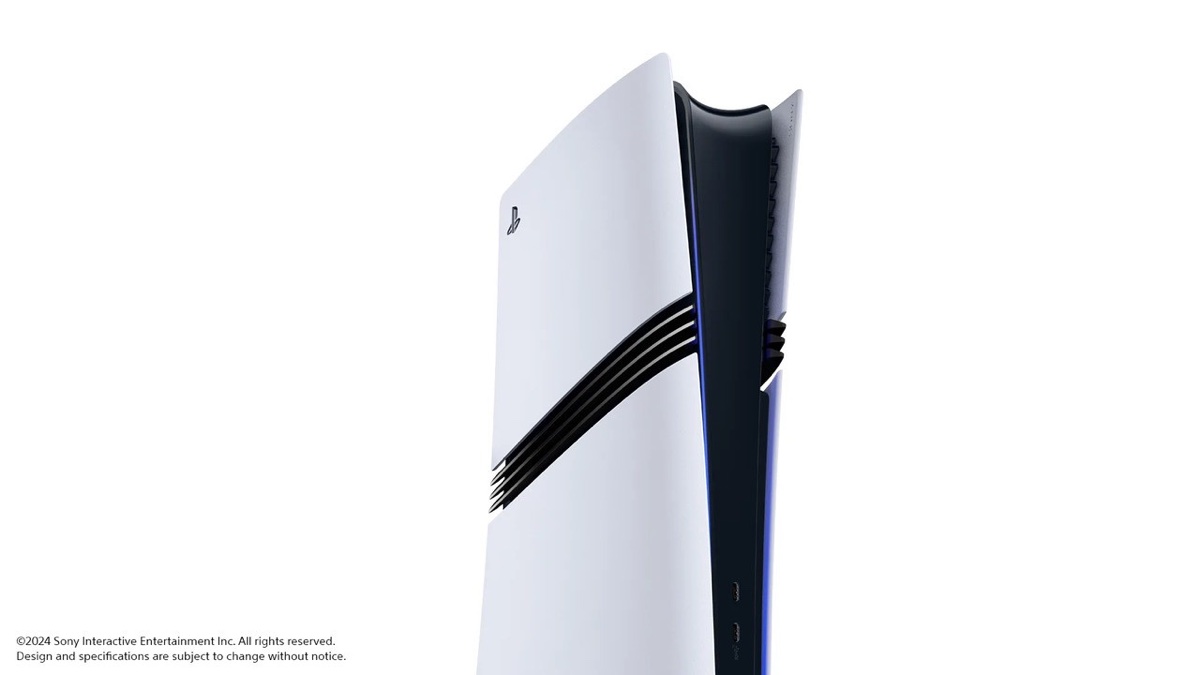
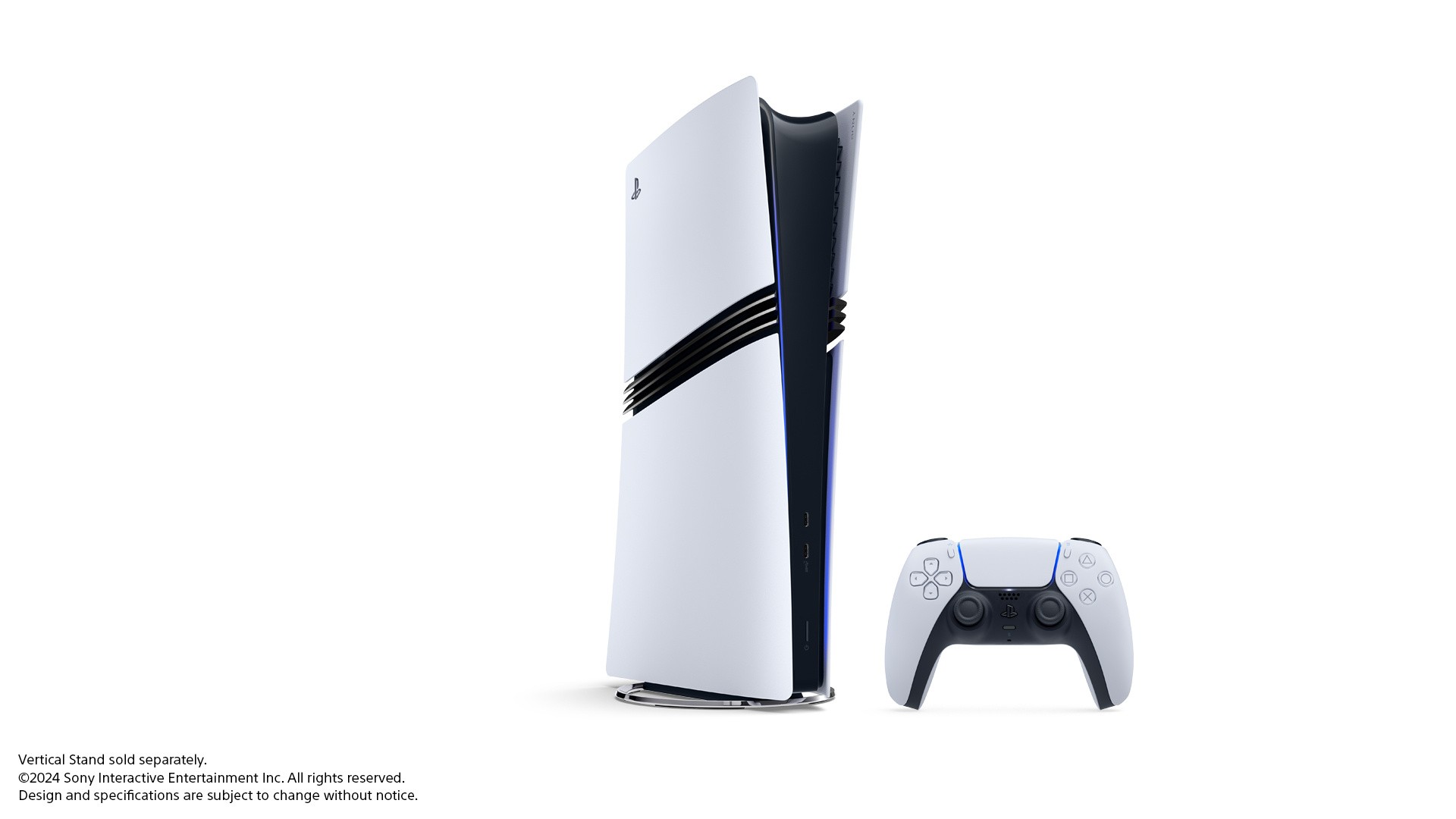
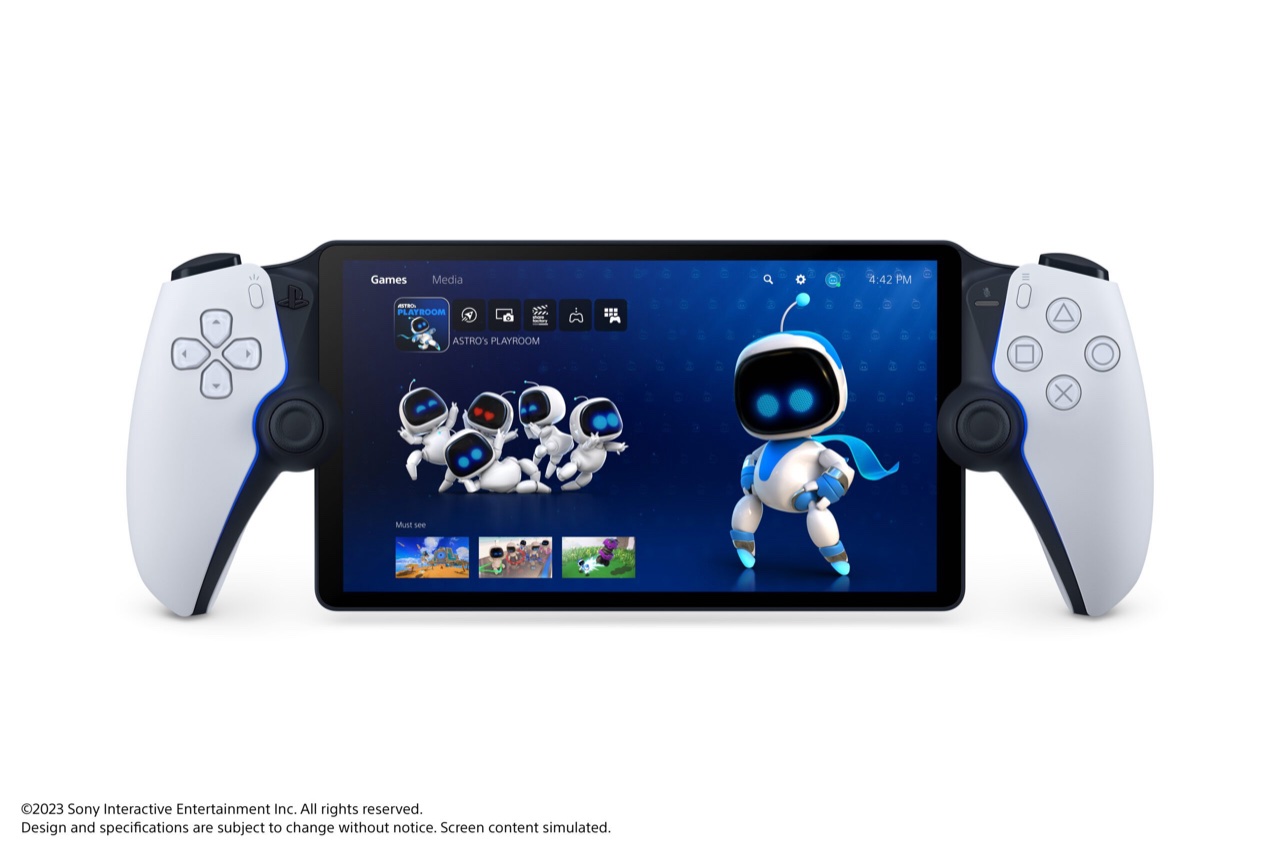
On March 27, 2026, Sony dropped a blog post that landed like a gut punch across the gaming community. Starting April 2, every PlayStation console and accessory is getting significantly more expensive — globally. The PS5 disc edition jumps from $549.99 to $649.99. The Digital Edition climbs from $499.99 to $599.99. The PS5 Pro — already considered overpriced by many at launch — rockets from $749.99 to $899.99. Even the PlayStation Portal, Sony's streaming handheld, rises from $199.99 to $249.99.
That's a $100 increase on both PS5 models, a $150 increase on the Pro, and a $50 bump on the Portal. These aren't subtle adjustments. This is a fundamental repricing of PlayStation hardware that makes the PS5 Digital Edition — the one without a disc drive — cost more than what the flagship disc model cost just seven months ago.
Sony Vice President Isabelle Tomatis framed it diplomatically: "With continued pressures in the global economic landscape, we've made the decision to increase the prices of PS5, PS5 Pro, and PlayStation Portal remote player globally." She added that after "careful evaluation," the company determined this was "a necessary step to ensure we can continue delivering innovative, high-quality gaming experiences to players worldwide."
The corporate language is polished. The reality is blunt. PlayStation just got a lot more expensive, and the forces driving these increases aren't going away anytime soon.
A Console That Keeps Getting More Expensive
Here's what makes this price hike historically significant: it's the second one in less than a year. Sony raised PS5 prices by $50 in August 2025, explicitly citing tariff pressures. Now, barely seven months later, another round of increases — larger than the first — hits every market simultaneously.
The math is striking. When the PS5 launched in November 2020, it cost $499 for the disc edition and $399 for the Digital Edition. After the April 2 increases take effect, those same product lines will cost $649.99 and $599.99 respectively. The disc model has increased 30% from its launch price. The Digital Edition has surged 50%.
This breaks one of the most reliable patterns in console history. Traditionally, hardware prices drop over a generation's lifecycle as manufacturing costs decrease, components get cheaper, and companies compete for market share. The PlayStation 4 launched at $399 in 2013 and received a permanent price cut to $299 within three years. The PS3, despite its infamous $599 launch, fell to $299 before the end of its generation.
The PS5 is doing the opposite. It's the first mainstream PlayStation console to cost more mid-generation than it did at launch. And it's not a one-time correction — it's an accelerating trend.
What's Actually Driving the Increases
Sony's "global economic landscape" explanation is vague by design, but the specific cost pressures are well-documented and genuinely severe.
Tariffs and Trade Disruption
The United States has imposed broad tariffs on imports from nearly all trading partners, and electronics manufacturing hasn't been spared. PlayStation consoles are assembled in China, and the escalating tariff environment has directly increased import costs. Sony's August 2025 price hike explicitly cited tariff pressures as the primary driver, and those tariffs have only expanded since.
The Memory Shortage Nobody Saw Coming
Perhaps the biggest factor behind this latest increase is something that has nothing to do with gaming: artificial intelligence. The explosion in AI data center construction has created unprecedented demand for DRAM and NAND flash memory — the same components that go into every gaming console, PC, and smartphone.
AI companies are buying memory in enormous volumes. Reports indicate that deals between major AI firms and memory manufacturers have reserved hundreds of thousands of DRAM components per month, squeezing supply for everyone else. Memory prices have surged as a result, and gaming hardware manufacturers are competing for allocation against companies with effectively unlimited budgets.
Sony didn't call this out explicitly, but industry analysts have pointed to memory costs as a significant factor in the latest round of console price increases — for both PlayStation and Xbox.
Geopolitical Instability
Beyond tariffs and memory shortages, broader geopolitical events have disrupted global supply chains. Energy and manufacturing bottlenecks have increased production costs across the electronics industry. Notably, disruptions to helium supply — a gas essential for semiconductor manufacturing — have created additional pressure on chip production. Qatar, which produces roughly one-third of the world's helium supply, has seen its helium output forced down by an estimated 14% following damage to energy infrastructure in early 2026, threatening semiconductor fabrication capacity worldwide.
These aren't temporary blips. They're structural shifts in how the global electronics supply chain operates, and they're hitting every hardware manufacturer simultaneously.
The Global Price Picture
The increases aren't limited to the United States. Sony raised prices across every major market:
United Kingdom:
- PS5: £479.99 → £569.99 (£90 increase)
- PS5 Digital Edition: £429.99 → £519.99 (£90 increase)
- PS5 Pro: £699.99 → £789.99 (£90 increase)
- PlayStation Portal: £199.99 → £219.99 (£20 increase)
Europe:
- PS5: €549.99 → €649.99 (€100 increase)
- PS5 Digital Edition: €499.99 → €599.99 (€100 increase)
- PS5 Pro: €799.99 → €899.99 (€100 increase)
- PlayStation Portal: €219.99 → €249.99 (€30 increase)
Japan:
- PS5: ¥79,980 → ¥97,980 (¥18,000 increase)
- PS5 Digital Edition: ¥72,980 → ¥89,980 (¥17,000 increase)
- PS5 Pro: ¥119,980 → ¥137,980 (¥18,000 increase)
- PlayStation Portal: ¥34,980 → ¥39,980 (¥5,000 increase)
In Japan — PlayStation's home market — the PS5 Pro now costs nearly ¥138,000, which is roughly equivalent to $920 at current exchange rates. For context, the original PS5 launched in Japan at ¥49,980. The Pro model now costs almost three times that figure.
The $900 PS5 Pro Problem
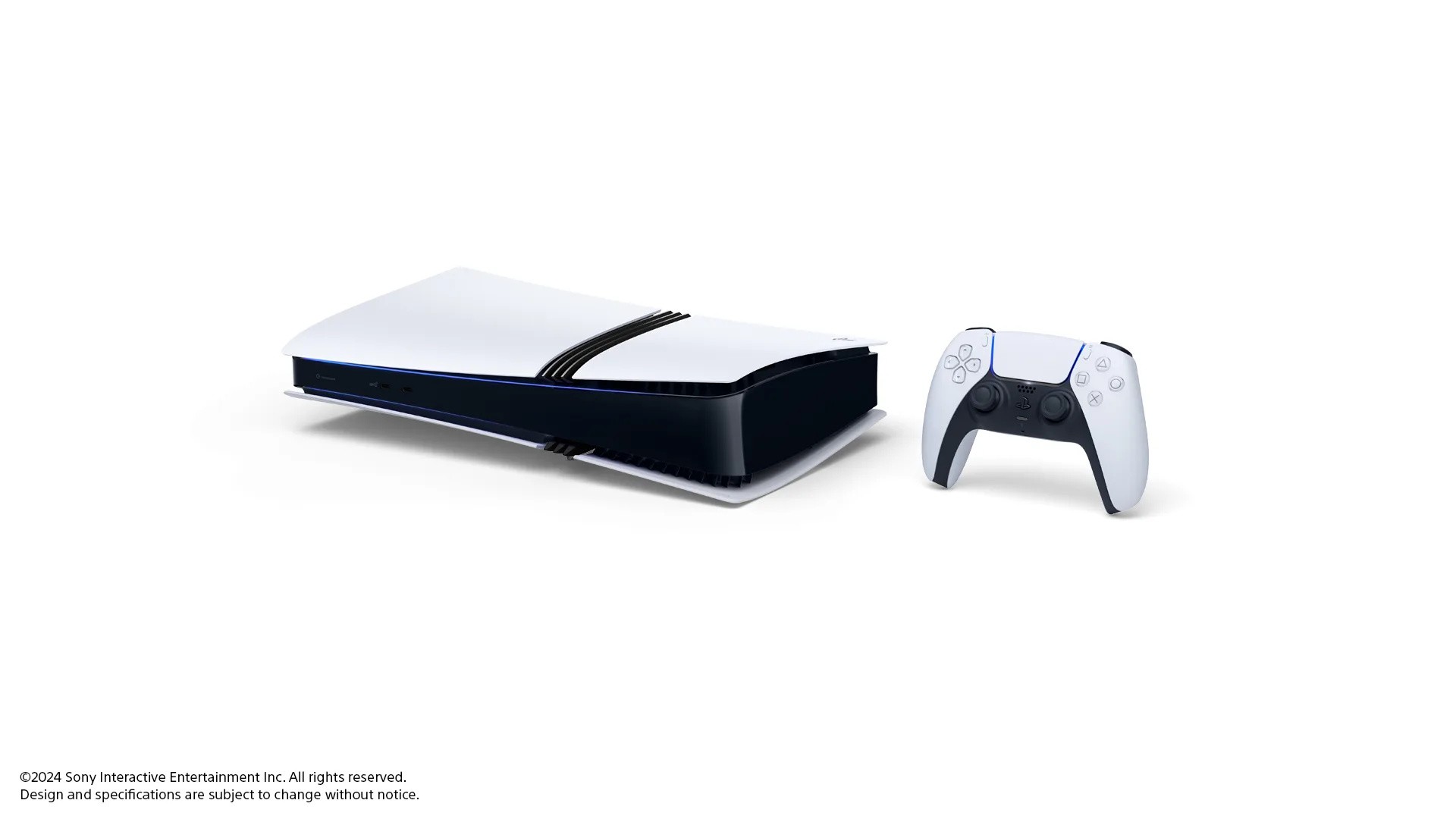
The PS5 Pro deserves particular scrutiny here. When Sony unveiled it in September 2024 at $699.99, the price was already controversial. It was the most expensive PlayStation console ever announced, and it didn't even include a disc drive — that was an additional $79.99 accessory. The internet's reaction was immediate: memes about "the $800 PS5," confusion about the value proposition, and widespread skepticism that the incremental GPU improvements justified nearly doubling the base PS5's price.
The Pro's price was then raised to $749.99 alongside the broader August 2025 price hike, making an already steep ask even steeper. Now, at $899.99, that question has only gotten louder.
For $900, you can build a respectable gaming PC. You can buy a Nintendo Switch 2 ($449.99) and still have $450 left over. You can buy two PS5 Digital Editions — at least until April 2. The PS5 Pro's target audience was already niche: the enthusiast who cares deeply about 4K ray tracing and frame rates but prefers console convenience over a PC. At $900, that audience gets meaningfully smaller.
Kotaku ran a piece titled "You Should Buy A PS5 Pro This Week, Or Never Buy One" — essentially arguing that the value proposition collapses completely at the new price. It's hard to disagree. The PS5 Pro was a tough sell at $700. At $900, it's a luxury item competing in a price bracket where alternatives offer more flexibility and power.
How the Console Landscape Has Shifted
The pricing shakeup doesn't happen in a vacuum. It fundamentally changes the competitive dynamics of the console market in 2026.
Xbox Alignment
Microsoft raised Xbox Series X prices twice in 2025 — first in May, then again in September. The Xbox Series X now sits at $649.99, matching the PS5 disc edition exactly. The Series S has climbed from an original $299 to $399-$449 depending on configuration. Both companies have effectively abandoned the idea of consoles as affordable entertainment devices.
The parity pricing between PS5 and Xbox Series X is notable. For years, pricing was a key differentiator in the console wars. Now both flagships cost the same, shifting competition entirely to exclusives, services, and ecosystem lock-in.
Nintendo's Position
The Nintendo Switch 2, which launched at $449.99, suddenly looks like the most affordable current-gen option by a wide margin. But analysts are already predicting that Nintendo won't be immune to the same cost pressures. Niko Partners and other research firms have suggested the Switch 2 could see its own price hike before the end of 2026, potentially climbing to $499. Daniel Ahmad, director at Niko Partners, has suggested he'd "be very surprised if the Switch was still $450 in the US at the end of 2026."
Even so, a $450-$500 Nintendo console undercuts a $650 PlayStation significantly. For families and casual gamers — the demographics that drove the original Switch's 146-million-unit success — the value gap is enormous.
PC Gaming Becomes More Competitive
Here's the uncomfortable truth for console manufacturers: as console prices climb toward $650-$900, they enter territory where gaming PCs become a genuinely competitive alternative. A $700-$800 PC build in 2026 can outperform a PS5 Pro in raw capability, offers a massive game library through Steam, doesn't require paid online subscriptions, and serves as a general-purpose computer.
The console value proposition has always been simplicity and affordability. When a PS5 costs $650 and a Pro costs $900, the "affordability" half of that equation evaporates. Console manufacturers are left selling convenience alone, and that's a harder pitch at these price points.
What This Means for Gamers
The practical impact for consumers is straightforward but worth spelling out.
If you've been on the fence about a PS5: the clock is ticking. April 2 is the cutoff. Some retailers, including GameStop, are offering trade-in deals and bundles before the price increase takes effect, though availability varies. If you want a PS5 at current prices, this week is likely your last chance.
If you already own a PS5: this doesn't directly affect you, but it does signal where Sony's pricing philosophy is headed. Accessories, peripherals, and the eventual PS6 are all likely to reflect these elevated cost structures. The days of $400-$500 PlayStation launches may be over.
If you're considering a PS5 Pro: seriously evaluate whether the performance uplift justifies $900. For most gamers playing on a 4K TV, the standard PS5 delivers an excellent experience. The Pro's advantages — enhanced ray tracing, higher frame rates in select titles, 8K output — are real but incremental. At $700, those were debatable value adds. At $900, they're luxury features.
If you're platform-agnostic: this is a good moment to comparison shop. The Switch 2 offers a fundamentally different but compelling gaming experience at $450. PC gaming, while requiring more setup knowledge, offers better long-term value at the $700+ price point. Xbox Game Pass provides access to hundreds of games for a monthly fee that might make more sense than a large hardware investment.
Is This the New Normal?
The most unsettling aspect of Sony's latest price increase isn't the dollar amount — it's the trajectory. Console prices are going up, not down, and the factors driving the increases are structural rather than temporary.
AI demand for memory components isn't going to slow down. If anything, the race to build AI infrastructure is accelerating. Global tariff regimes show no signs of relaxing. Geopolitical instability continues to disrupt supply chains. And semiconductor manufacturing faces capacity constraints that will take years to resolve.
Sony's October-December 2025 quarterly profit surged 11% to ¥377.3 billion ($2.4 billion), and the company raised its full-year forecast. PlayStation is not struggling financially. These price increases aren't about survival — they're about maintaining margins in an environment where costs are rising across the board. Sony has decided to pass those costs to consumers rather than absorb them.
That's a rational business decision. It's also one that fundamentally changes what a PlayStation is. For three decades, PlayStation was the accessible gaming platform — the device that brought high-quality gaming to the mainstream at prices most households could justify. A $650 PS5 and a $900 PS5 Pro don't fit that narrative anymore.
The question isn't whether Sony can charge these prices. The PS5 continues to sell — it led US hardware sales in January 2026. The question is whether the gaming audience that Sony built over 30 years will follow PlayStation into a premium price bracket, or whether a significant portion will look for more affordable alternatives.
The next few months of sales data will tell that story. But the era of the affordable PlayStation? That ended on March 27, 2026.
Sources
- New Price Changes for PS5, PS5 Pro, and PlayStation Portal — PlayStation Blog
- Sony hikes PS5 prices by up to $150 citing 'pressures' in global economy — CNBC
- Sony Announces Gigantic PS5 Price Increases — Push Square
- Sony raises PlayStation price another $100 — Fortune
- You Should Buy A PS5 Pro This Week, Or Never Buy One — Kotaku
- A Nintendo Switch 2 price hike "could be likely" — GamesRadar+
- Xbox Series X/S and Nintendo Switch 2 Could Follow PS5 — GamingBolt
- PlayStation 5 launches at $399/$499 — PlayStation Blog (2020)

Founder of GGS Blog and Site Reliability Engineer at Box. I write about gaming, AI in gaming, and game development with a technical lens — 10+ years in software engineering, 20+ years as a gamer. My work focuses on what the tech actually means for players.
Never miss a post
Subscribe to the GGS Blog newsletter for gaming news, tech insights, and AI in the game industry — delivered straight to your inbox.
Free. No spam. Unsubscribe in one click.
Comments
What to Read Next
Continue exploring our coverage of gaming, technology, and AI.
 Industry News
GTA 6: The Forums Say 20 Minutes. The Market Says Don't Bet on 30.
Polymarket traders and Reddit threads are measuring the same GTA 6 audience and returning different readings. Ahead of the August 27 Netflix showcase, here's what each instrument actually sees, why the $1.39 billion everyone is quoting is the wrong number, and why I can't tell you which reading to trust.
 Industry News
Arc Raiders Lost 80% of Its Steam Players. It's Still One of 2026's Biggest Games.
Arc Raiders' Steam concurrent count has cratered and recent reviews flipped to Mixed — but the game has sold 16 million copies and Embark is still patching it every two weeks. The scary chart isn't the real story. The content gap might be.
 Industry News
PlayStation's 'The Playerbase' Wants to Put You Inside Gran Turismo 7 — Read the Fine Print First
Sony just launched a fan-integration program that scans one winner into Gran Turismo 7 with a custom logo and livery. The headline is flattery; the licensing terms are forever. Here's what's happening underneath, what it costs you, and why PlayStation is doing it now.