
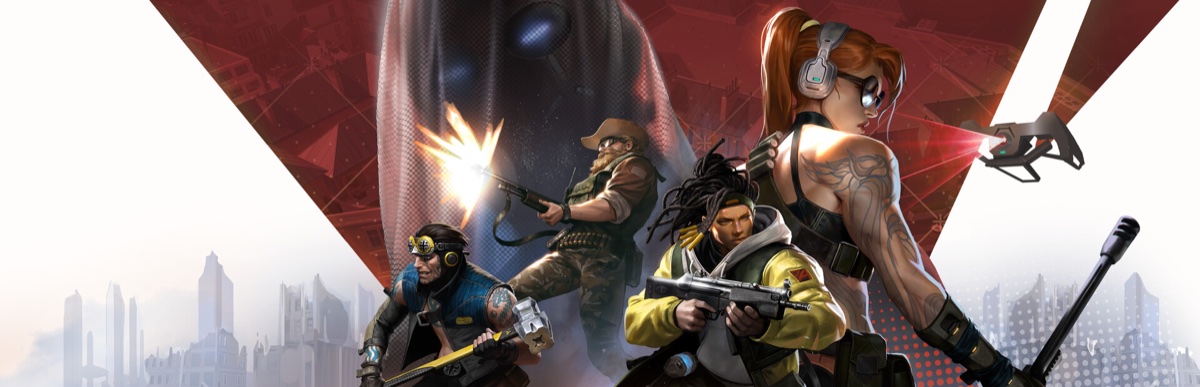
PUBG: Blindspot Shuts Down After Just 53 Days in Early Access
Fifty-three days. That's the entire lifespan of PUBG: Blindspot, the free-to-play top-down tactical shooter from Krafton's ARC Team that launched into Steam Early Access on February 5 and shut its servers down on March 30, 2026. The game peaked at 3,251 concurrent players during its opening weekend, bled out to fewer than 200 daily players within weeks, and never recovered.
In its official End of Service notice posted to Steam, the ARC Team stated the team had been "exploring multiple ways to improve the experience and move the game forward," but concluded that they were "no longer able to sustainably provide the level of experience we set out to deliver through Early Access." ARC Team representative Sequoia Yang acknowledged the project was "a bold attempt to explore new possibilities within the top-down tactical shooter space" and expressed hope to "return with new experiences in the future."
It's a blunt ending for a PUBG-branded product — and another entry in a growing list of online games that couldn't survive the brutal math of player retention in 2026.
What PUBG: Blindspot Actually Was
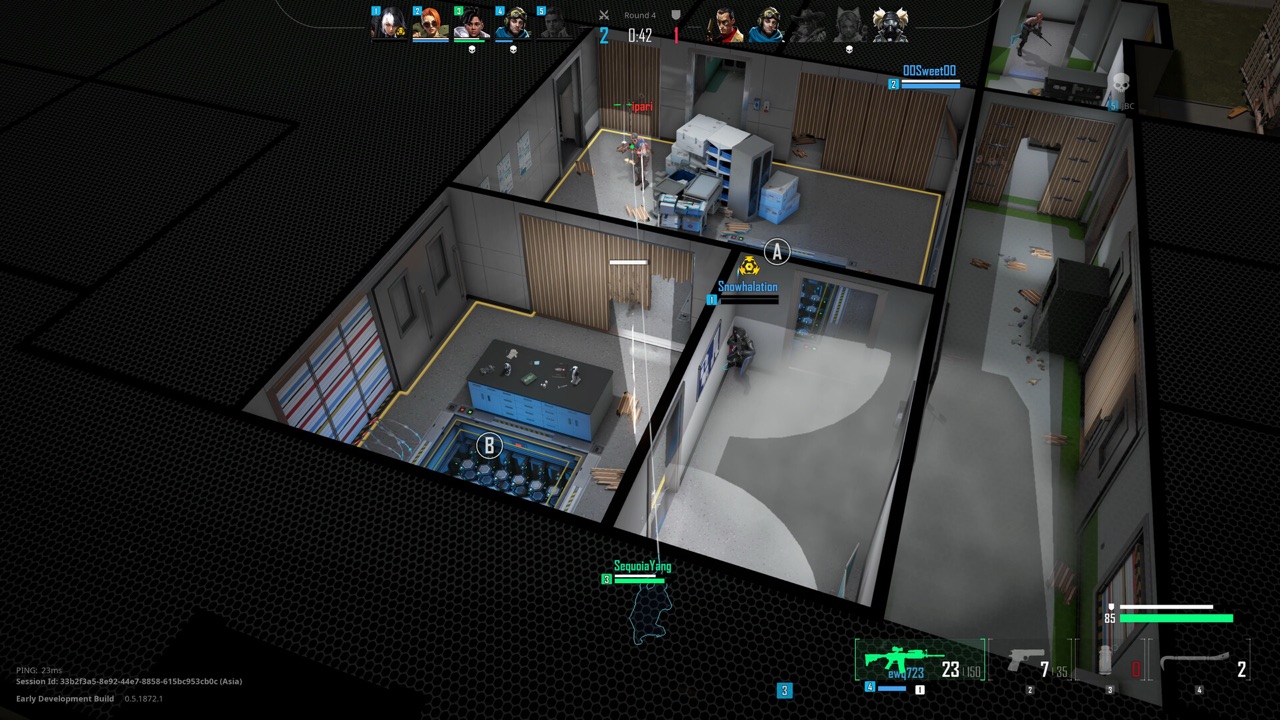
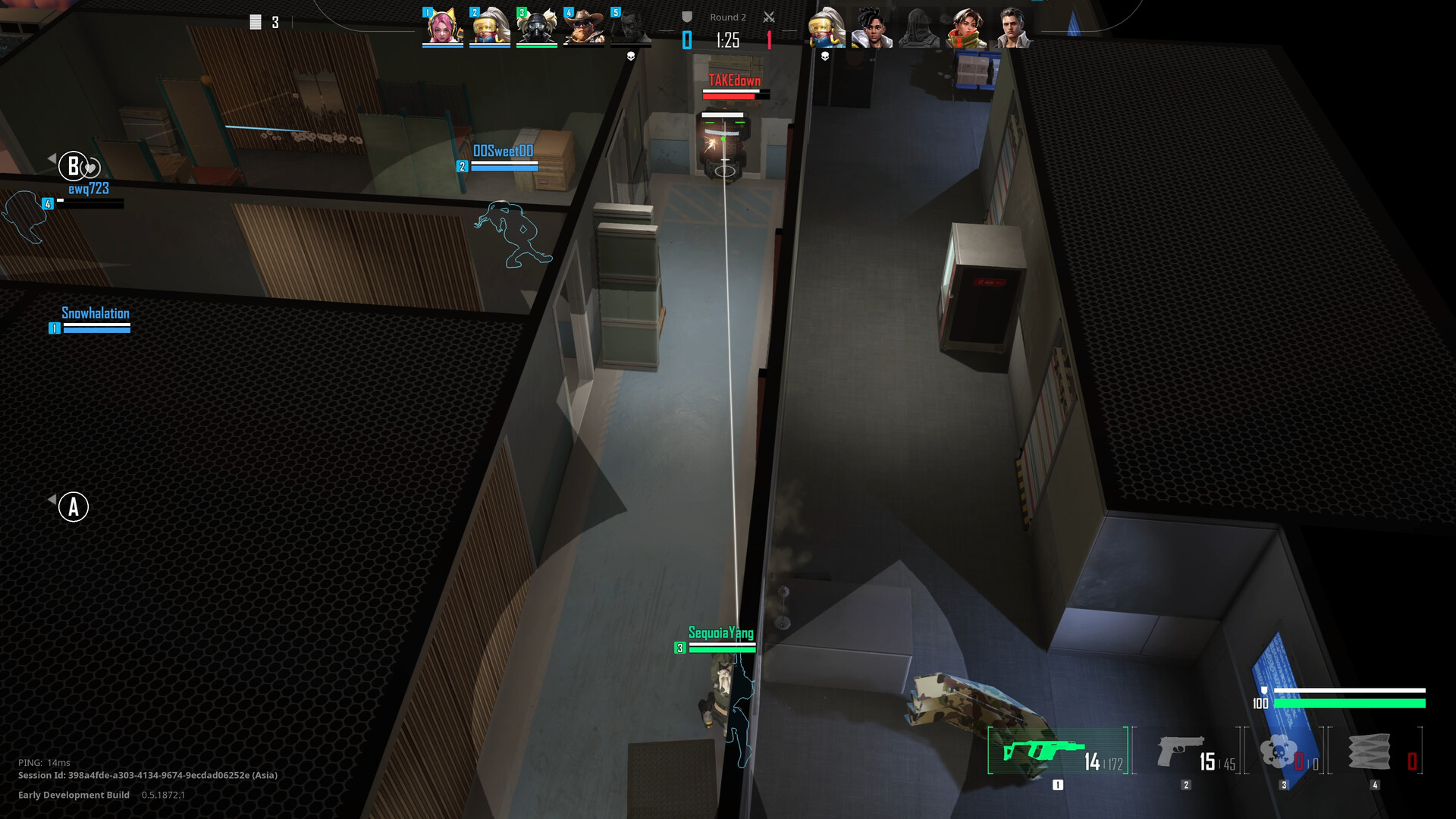
PUBG: Blindspot wasn't another battle royale. It was a 5v5 top-down tactical shooter that borrowed PUBG's gunplay DNA but transplanted it into a completely different format — one closer to Rainbow Six Siege than Battlegrounds. Players selected unique agents with distinct abilities, built squad compositions around synergies, and fought across destructible maps where walls, cover, and sightlines could be reshaped mid-round.
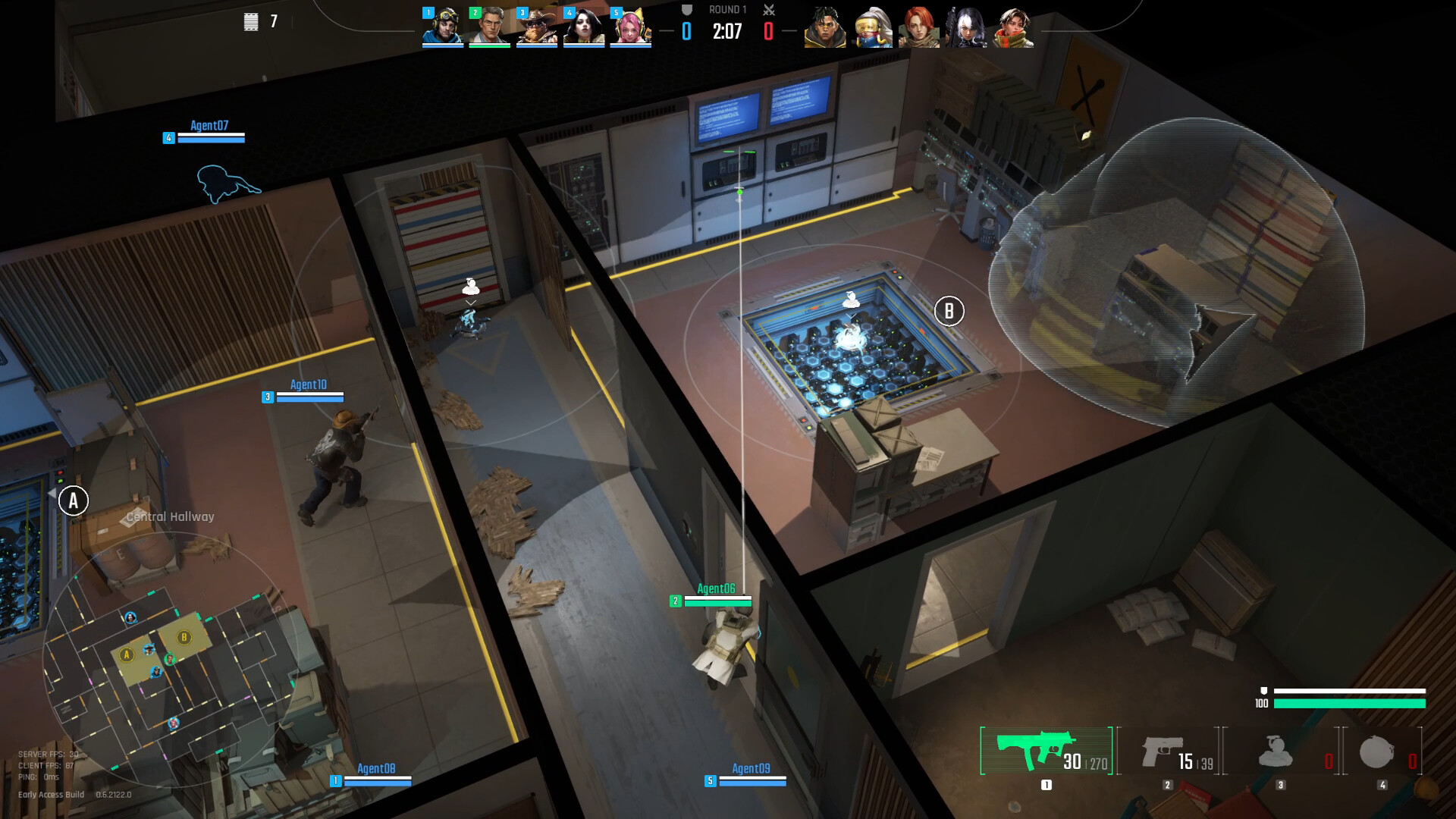
The pitch was straightforward: PUBG's realistic weapon handling and gunfight intensity, delivered from a bird's-eye perspective with the strategic depth of an operator-based tactical shooter. Players could breach walls with sledgehammers and explosives to create new flanking routes, turning the environment itself into a tactical tool. On paper, it's a concept with legs. Top-down shooters have a dedicated audience, and the PUBG brand still carries name recognition even as Battlegrounds itself competes for attention in a crowded shooter market.
But Blindspot launched into a space where it didn't fit anywhere. Core PUBG players looking for battle royale had no reason to switch. Tactical shooter fans had Rainbow Six Siege, Valorant, and a half-dozen other established options. And the top-down perspective, while novel for the PUBG franchise, meant Blindspot couldn't lean on the first-person gunplay feel that defines the brand.
A Launch That Never Ignited
The numbers tell the full story of what went wrong, and they tell it quickly.
PUBG: Blindspot's all-time concurrent player peak on Steam was 3,251 — recorded during its first weekend. For context, PUBG: Battlegrounds still regularly pulls 800,000+ concurrent players. Even by the lower standards of a spin-off, Blindspot's opening was anemic. The game averaged around 2,300 players during its best stretch and never cracked that ceiling again.
By the time the shutdown announcement landed in late March, SteamDB recorded just 148 concurrent players. That's a 95% drop from an already modest peak, compressed into less than eight weeks.
The player count decline triggered the exact spiral that kills every multiplayer-dependent game operating below critical mass. Fewer players meant longer matchmaking queues. Longer queues pushed more players away. Fewer players meant even longer queues. By mid-February — barely two weeks after launch — Steam reviewers were already flagging wait times as a dealbreaker.
Steam reviews settled at a "Mixed" rating across over 3,300 reviews by shutdown. The positive ones praised the core concept, the destructible environments, and the tactical depth of agent composition. The negative ones hammered the same themes repeatedly: controls felt unresponsive, matchmaking was broken by low population, and the game felt like "a cheap imitation" of Rainbow Six Siege viewed from above.
The server situation compounded everything. Blindspot launched with coverage in North America, Europe, South America, China, Korea, and Japan — but no Oceanic servers. Australian and Asia-Pacific players, a significant demographic in the PUBG ecosystem, were effectively locked out or forced onto high-latency connections. For a tactical shooter where precise timing and positioning determine gunfights, that's not a minor inconvenience — it's unplayable. Cutting out an entire region at launch for a game that desperately needed every player it could get was a decision that made an already dire population problem worse.
Where the Marketing Went
Nowhere, apparently. And that might be the most damning part of this story.
Multiple post-mortem discussions across Reddit and Steam forums circled back to the same observation: almost nobody knew PUBG: Blindspot existed before it launched, and Krafton did little to change that after it went live.
There was no significant streamer campaign. No major media push. No presence at events or showcases in the months prior. For a free-to-play game from one of the biggest publishers in the industry — the company behind a franchise that helped define a genre — Blindspot arrived with a whisper.
Some community members speculated that Krafton treated Blindspot as a low-stakes experiment, a trial balloon to see if the PUBG brand could support a different gameplay format without committing the full marketing spend of a tentpole launch. If that's the case, the experiment yielded a clear answer: a recognizable name means nothing without awareness. Free-to-play games live and die on their first-week momentum, and Blindspot never built any.
Community Reaction: Disappointment More Than Anger
The tone across Reddit, Steam forums, and social media leaned more toward resignation than outrage. Many players who'd invested time in Blindspot's early access said they saw the closure coming — the writing was on the matchmaking wall within the first two weeks.
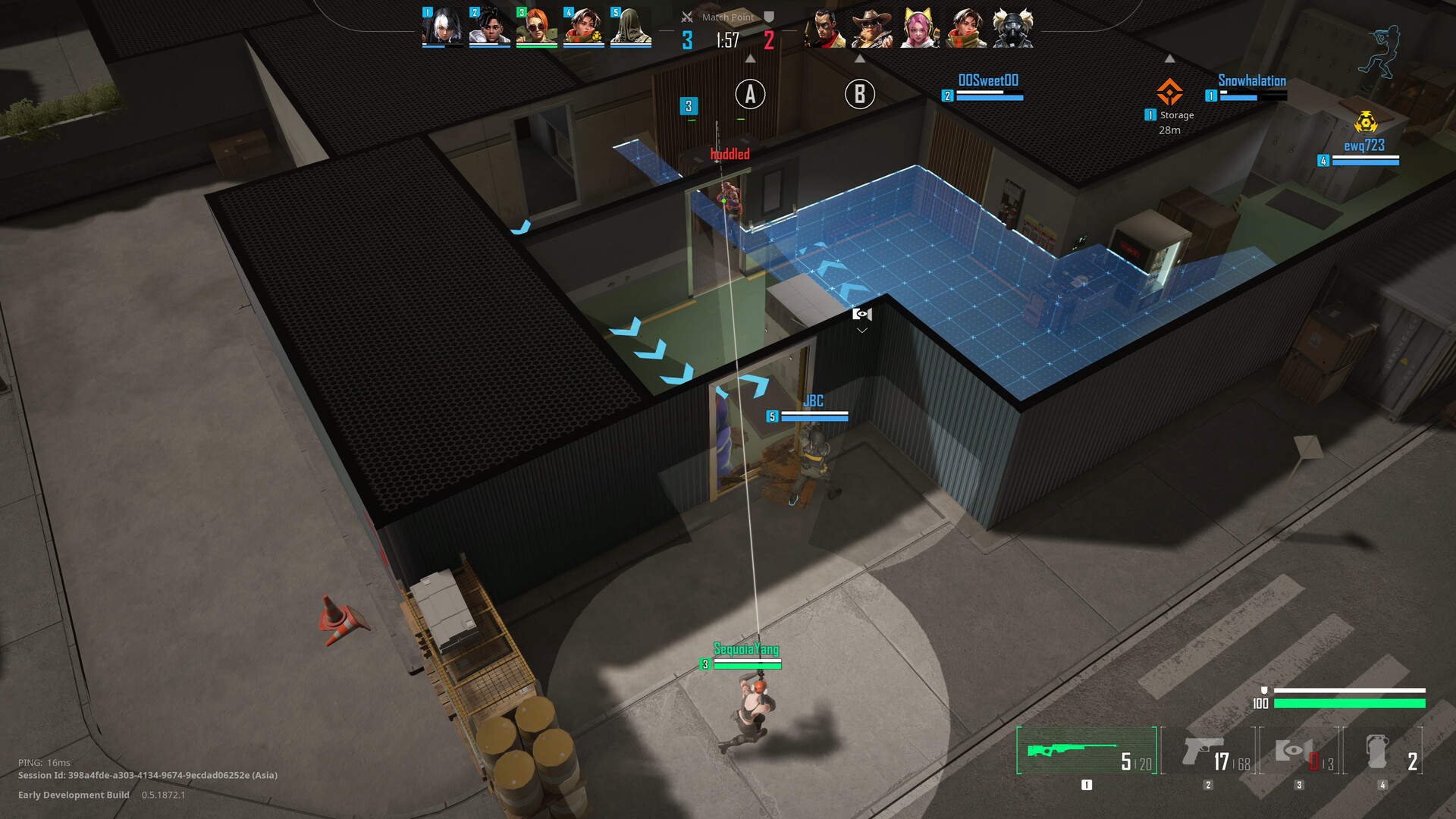
"Interesting concept, terrible execution on the marketing side," was a sentiment echoed in dozens of comments. Others pointed to the controls and camera perspective as fundamental problems that no amount of marketing could have fixed. One Steam reviewer described the controls as feeling "like a trash mobile port," a comparison that showed up across multiple negative reviews. A recurring theme in negative Steam reviews compared the experience unfavorably to existing top-down shooters, arguing that Blindspot hadn't figured out how to translate PUBG's first-person intensity into a top-down format.
The Reddit community for Blindspot had seen the writing on the wall well before the official announcement. Posts from as early as mid-February — barely two weeks into early access — pointed to dwindling player counts as a death sentence. When the shutdown confirmation arrived, the prevailing reaction wasn't shock. It was "we told you so."
On the refund front, Blindspot was free-to-play but featured premium cosmetic purchases during its early access period. The official shutdown notice didn't include specific refund details for players who'd spent money on in-game content, directing them instead to Steam's standard refund process. For players who paid for cosmetics in a game that lasted less than two months, the lack of clarity stung — even if the amounts were small individually.
The Bigger Pattern: 2025-2026's Multiplayer Graveyard
PUBG: Blindspot joins a sobering list of online games that launched and died within months during this era. Sony's Concord set the modern benchmark for rapid collapse, lasting just 14 days before being pulled in September 2024. That makes Blindspot's 53-day run look almost resilient by comparison — though "outlasted Concord" is the lowest bar in gaming.
Highguard followed a similar path, shutting down shortly after its own underwhelming launch. Even games with larger initial audiences, like XDefiant, have faced steep population declines that ultimately led to their closure.
The pattern is becoming impossible to ignore. The live-service, multiplayer-only model demands a player base large enough to sustain matchmaking from day one. Without it, the game enters a death spiral that almost no developer has successfully reversed. The exceptions — like No Man's Sky or Final Fantasy XIV — required years of redevelopment, massive reinvestment, and carefully orchestrated relaunch campaigns. Both of those games also had single-player or PvE elements that could sustain a smaller community while the developers rebuilt. A PvP-only game with no offline mode doesn't have that safety net. When the queues dry up, the game is functionally dead — regardless of what's on the roadmap.
The economics of multiplayer game development have shifted, too. Maintaining servers, pushing updates, and supporting live operations for a game with 148 concurrent players isn't just unsustainable — it's actively burning money. Krafton's decision to pull the plug after 53 days, while harsh, is at least honest. Extending the early access period with a nonexistent player base would have only prolonged the inevitable.
What Krafton Does Next
Krafton isn't hurting as a company. PUBG: Battlegrounds remains a massive revenue generator with consistent daily peaks above 800,000 concurrent players, and the publisher has multiple projects in development. The most relevant one for PUBG fans is PUBG: Black Budget, an extraction shooter set in the PUBG universe that ran a closed alpha in December and is still in active development. Where Blindspot tried to reinvent the PUBG format entirely, PUBG: Black Budget sticks closer to the established extraction shooter formula — a genre that, despite its own growing pains, has a proven audience.
Blindspot's failure doesn't necessarily mean the PUBG brand can't support spin-offs. It means that a spin-off needs more than a brand name. It needs a clear audience, a polished product, and — critically — a marketing campaign that actually puts the game in front of potential players before launch day.
The ARC Team's closing statement promised they "hope to return with new experiences in the future." Whether that means a completely new project or another attempt at expanding the PUBG franchise remains to be seen. What's clear is that the next attempt will need to learn from every mistake Blindspot made: the soft launch, the absent marketing, the control issues that plagued day-one impressions, and the lack of regional server coverage that locked out entire player populations.
53 Days and a Lesson
PUBG: Blindspot's story isn't complicated. A free-to-play tactical shooter launched quietly, couldn't build a player base, and shut down before most people knew it existed. The concept had potential — a top-down tactical game with PUBG's gunplay and destructible environments isn't a bad pitch. But concept doesn't keep servers running. Players do.
For Krafton, it's a relatively inexpensive lesson. For the broader industry, it's another data point in an increasingly clear trend: the window for a new multiplayer game to prove itself has never been narrower. You get one shot at launch momentum. Miss it, and the spiral starts immediately.
Blindspot's servers went dark on March 30. Fifty-three days after they first came online.
Sources
- PUBG: Blindspot End of Service Notice — Steam
- PUBG: Blindspot is closing after less than 2 months of early access — PC Gamer
- The New PUBG Game Is Closing After Less Than 2 Months — GameSpot
- PUBG Blindspot shuts down after two months, devs cite inability to sustain intended experience — GosuGamers
- PUBG: Blindspot Shutting Down After 2 Months of Early Access — Insider Gaming
- PUBG: Blindspot Servers Close Just 53 Days After Launch — AllKeyShop
- PUBG: Blindspot Launched To Just 2,500 Players And Mixed Reviews — The Gamer
- Krafton has sunsetted tac shooter PUBG Blindspot — Massively Overpowered
- PUBG: Blindspot Steam Charts — SteamDB

Founder of GGS Blog and Site Reliability Engineer at Box. I write about gaming, AI in gaming, and game development with a technical lens — 10+ years in software engineering, 20+ years as a gamer. My work focuses on what the tech actually means for players.
Never miss a post
Subscribe to the GGS Blog newsletter for gaming news, tech insights, and AI in the game industry — delivered straight to your inbox.
Free. No spam. Unsubscribe in one click.
Comments
What to Read Next
Continue exploring our coverage of gaming, technology, and AI.
 Industry News
GTA 6: The Forums Say 20 Minutes. The Market Says Don't Bet on 30.
Polymarket traders and Reddit threads are measuring the same GTA 6 audience and returning different readings. Ahead of the August 27 Netflix showcase, here's what each instrument actually sees, why the $1.39 billion everyone is quoting is the wrong number, and why I can't tell you which reading to trust.
 Industry News
Arc Raiders Lost 80% of Its Steam Players. It's Still One of 2026's Biggest Games.
Arc Raiders' Steam concurrent count has cratered and recent reviews flipped to Mixed — but the game has sold 16 million copies and Embark is still patching it every two weeks. The scary chart isn't the real story. The content gap might be.
 Industry News
PlayStation's 'The Playerbase' Wants to Put You Inside Gran Turismo 7 — Read the Fine Print First
Sony just launched a fan-integration program that scans one winner into Gran Turismo 7 with a custom logo and livery. The headline is flattery; the licensing terms are forever. Here's what's happening underneath, what it costs you, and why PlayStation is doing it now.