
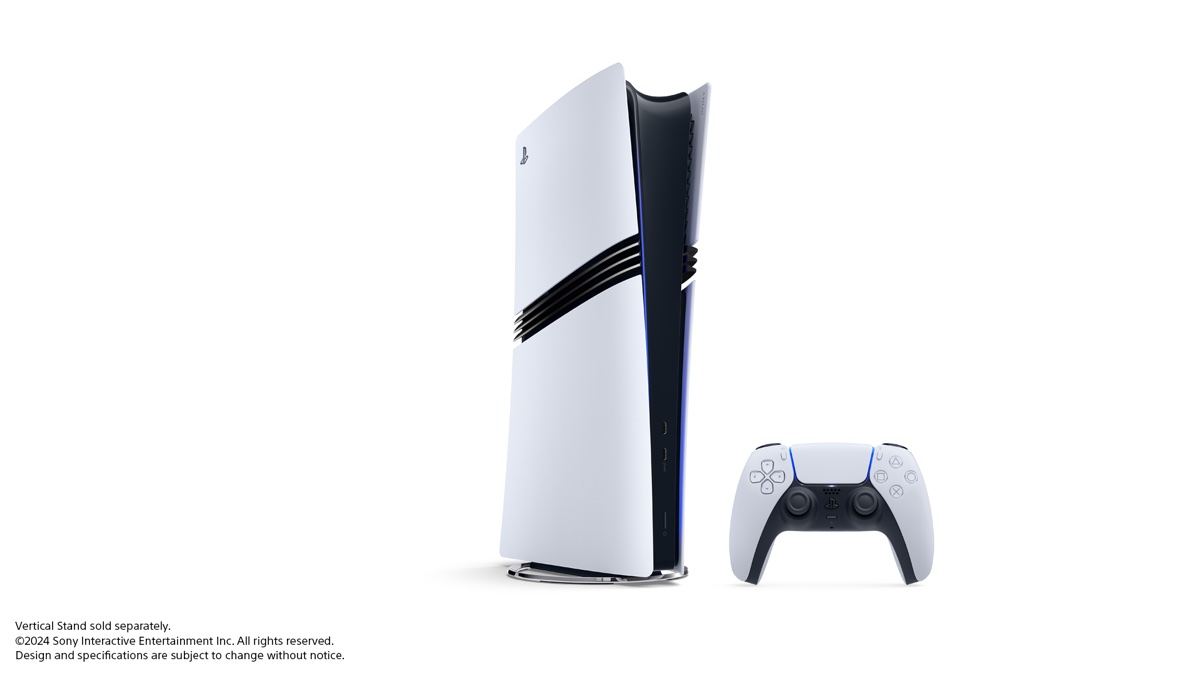
Sony's PS5 Price Hike Takes Effect Today — Here's What You're Paying Now
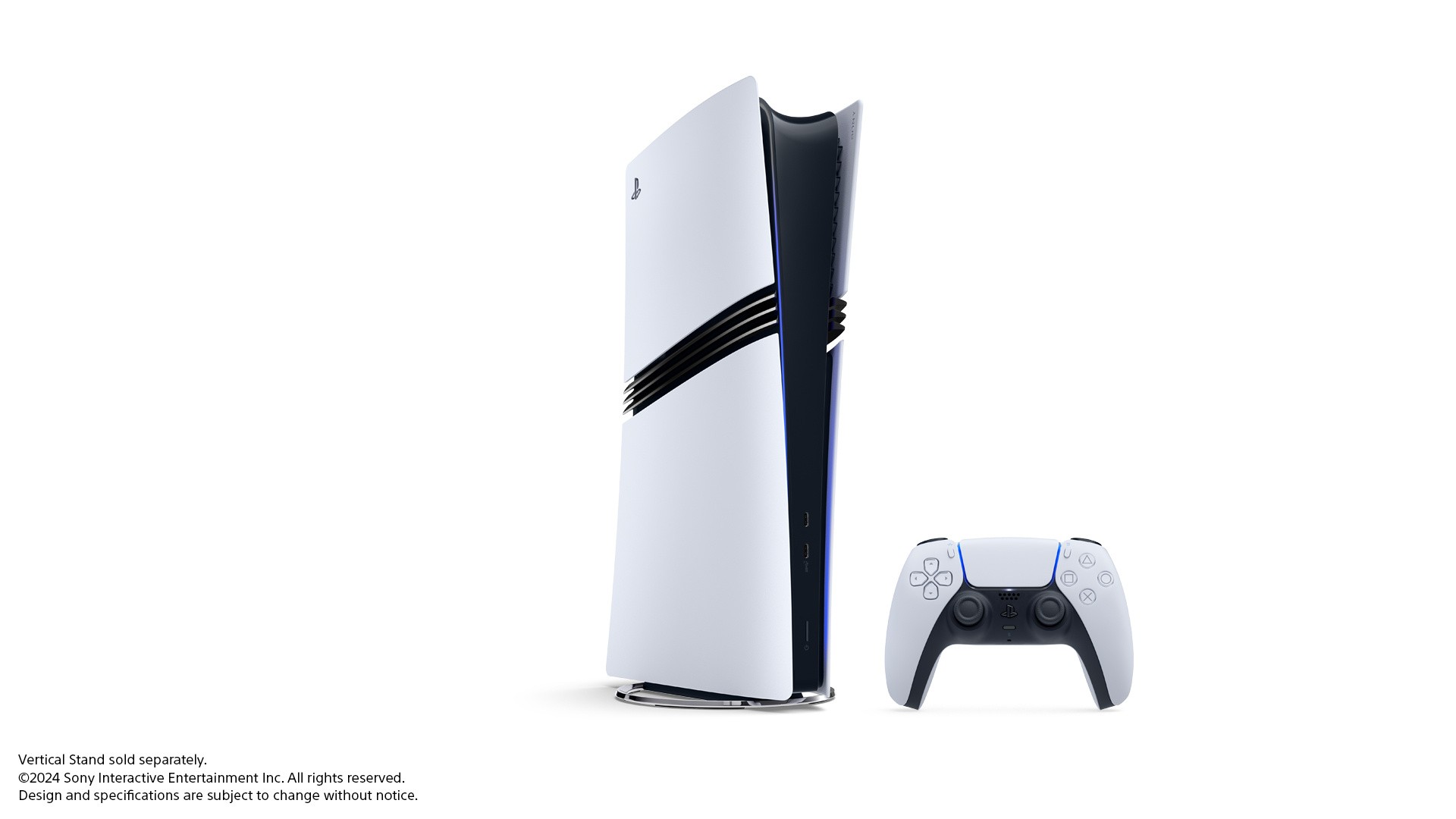
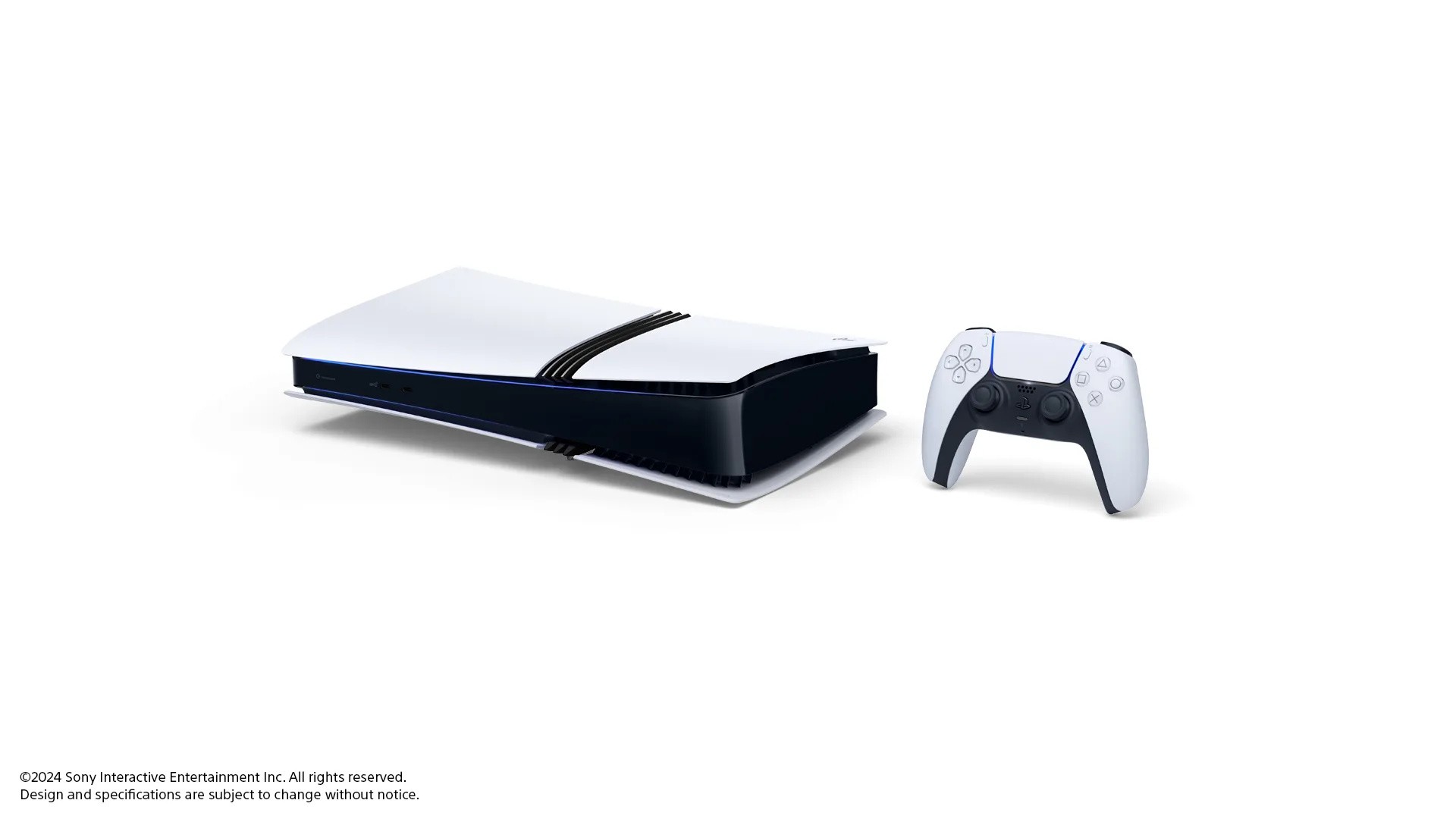
Starting today, April 2, 2026, every current PlayStation 5 model costs significantly more. The disc-based PS5 jumps from $549.99 to $649.99, the Digital Edition from $499.99 to $599.99, the PS5 Pro from $749.99 to $899.99, and the PlayStation Portal from $199.99 to $249.99. This is Sony's second global price hike in under a year — and it flies in the face of a console industry norm where hardware gets cheaper over time, not more expensive.
Sony's blog post announcement frames the move as a response to "continued pressures in the global economic landscape." Vice President Isabelle Tomatis wrote that the increases are necessary "to ensure we can continue delivering innovative, high-quality gaming experiences to players worldwide." The language is careful, corporate, and designed to absorb criticism without giving much back.
The Numbers, Region by Region
The increases aren't limited to North America. Here's what the new pricing looks like across major markets:
| Model | US | UK | EU | Japan |
|---|---|---|---|---|
| PS5 (Disc) | $649.99 | £569.99 | €649.99 | ¥97,980 |
| PS5 Digital | $599.99 | £519.99 | €599.99 | ¥89,980 |
| PS5 Pro | $899.99 | £789.99 | €899.99 | ¥137,980 |
| Portal | $249.99 | £219.99 | €249.99 | ¥39,980 |
The PS5 Pro takes the biggest absolute hit — a $150 increase that pushes it dangerously close to the $1,000 mark. For context, the Digital Edition has now risen by $200 since launch in 2020. That's not a minor adjustment. That's a fundamentally different value proposition than what early adopters signed up for.
Why Sony Says This Is Happening
The stated reason is memory costs. Since Sony's last price revision in August 2025, DRAM prices have surged — reportedly by over 170% year-over-year — driven largely by the AI infrastructure boom. Memory makers are directing supply toward higher-margin data center chips, tightening availability for consumer electronics like game consoles.
This is a real pressure. The tech industry's race to build AI infrastructure has created genuine supply constraints for components that consoles depend on. Sony isn't fabricating the cost problem — DRAM and NAND flash shortages are well-documented across the semiconductor industry.
But there's a difference between acknowledging a real cost pressure and concluding that the only solution is passing all of it to consumers. Sony's gaming division reported strong profits throughout 2025. PlayStation Plus subscriptions remain a recurring revenue stream. First-party software sales are healthy. The question isn't whether costs have risen — it's whether Sony could have absorbed some of the increase rather than transferring every dollar to the buyer.
The Charitable Reading — And Why It Falls Short
Here's the argument in Sony's defense: hardware margins on consoles have historically been razor-thin or negative. Sony has traditionally subsidized console costs and made the money back on software, subscriptions, and accessories. If component costs spike hard enough, that model breaks. Raising prices might be the least bad option compared to cutting hardware quality or delaying production.
Fair enough. But this argument runs into a timing problem.
This is the second increase in under a year. The August 2025 hike raised each model by $50, which Sony attributed to inflation and global uncertainty. Now, barely eight months later, another $100-$150 per unit. Consumers who bought a PS5 at the post-hike $549.99 price last fall are watching the same console climb to $649.99 — a $100 jump that makes their recent purchase feel like a bargain by accident rather than design.
More fundamentally, console gaming has always worked on a simple contract with consumers: the hardware starts at a premium, then gets cheaper as manufacturing scales and components drop in cost. The PlayStation 4 launched at $399 in 2013 and eventually hit $199. The PS3 followed the same curve. Every successful console generation has. Sony is now asking consumers to accept a model where the hardware gets more expensive mid-generation — twice — with no clear end in sight.
Community Reaction: Frustration and Panic Buying
The response has been predictably sharp. Social media erupted within hours of the March 27 announcement, with the PS5 Pro's $899.99 price point drawing the most fire. At that price, the PS5 Pro sits in direct competition with mid-range gaming PCs that offer more versatility — and it still doesn't include a disc drive.
The backlash has split into two camps. One group is vocal about refusing to buy at the new prices, pointing out that $70 game prices, PlayStation Plus subscriptions, and now higher hardware costs create a cumulative burden that's pricing out casual gamers. The other group is panic-buying. Amazon saw a surge in PS5 Pro sales in the days before the April 2 cutoff, with buyers rushing to lock in the $749.99 price before it disappeared.
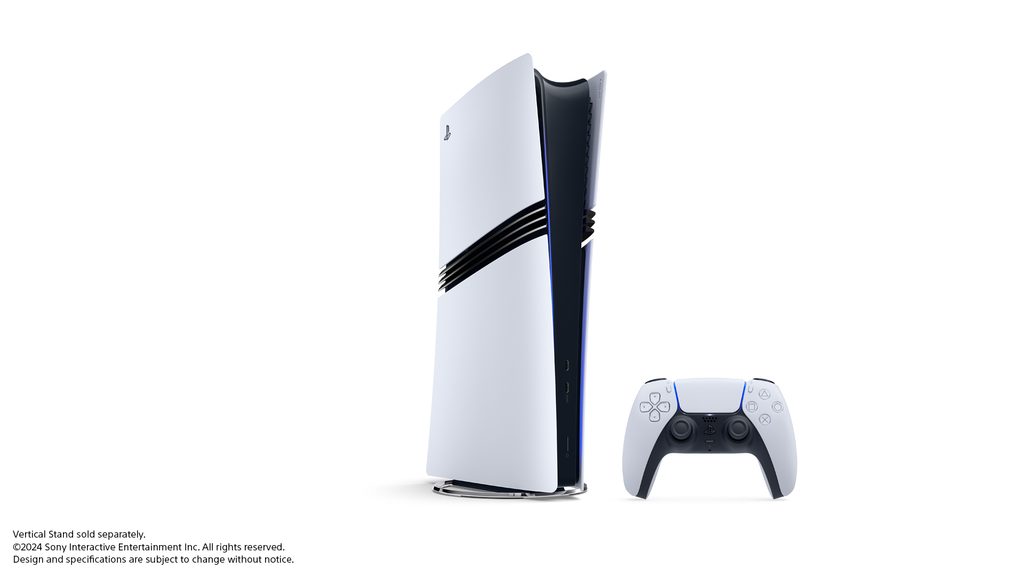
I was in that camp of hesitating buyers. I've had a PS5 disc edition since late 2023, and I'd been seriously considering a Pro upgrade before the April hike. At $749.99, the performance difference was compelling enough to justify — I play demanding titles like Black Myth: Wukong and Control, where ray tracing and framerates actually matter. At $899.99, that calculation breaks. The marginal benefit over my existing console doesn't close a $150 gap, especially when I know the disc drive still isn't included. I ended up not pulling the trigger. I suspect I'm not alone.
That panic-buying behavior tells you something important: even the people willing to spend $750 on a mid-gen refresh are balking at $900. The price sensitivity is real, and it doesn't bode well for Sony's install base growth through the back half of this console generation.
What This Means for Console Gaming
The bigger picture here isn't just about Sony. If this pricing model works — if Sony can raise prices mid-generation without meaningful sales consequences — it sets a precedent. Microsoft and Nintendo will be watching closely as they plan their next hardware launches.
Console gaming's core value proposition has always been accessibility. You buy a box, it plays games for 6-7 years, and the upfront cost is lower than a gaming PC. A $650 base PS5 and a $900 Pro start to erode that value proposition significantly. Add a $70 game, a year of PS Plus Premium at $159.99, and you're looking at nearly $900 for the base experience — over $1,100 for the Pro tier.
The question facing Sony now isn't whether they can charge these prices. They clearly can. The question is whether the long-term cost to brand loyalty and install base growth is worth the short-term margin protection. Console generations are marathons, not sprints. The PS5 still has years of life ahead of it, and every potential buyer who balks at $650 is a customer who won't be buying $70 games, subscribing to PS Plus, or picking up accessories.
A Loyalty Tax
Sony's price hike is defensible on a spreadsheet and damaging in the market. Memory costs are real. Economic pressures are real. But so is the growing perception that PlayStation is becoming a premium-only brand — one that's increasingly comfortable asking its most loyal customers to pay more for the same hardware they could have bought for less just months ago.
Two price increases in under a year breaks the implicit contract that has powered console gaming for decades. Whether Sony can rebuild that trust while charging $900 for a mid-gen refresh remains the central tension heading into the second half of the PS5's lifecycle.
Sources
- PlayStation Blog — New Price Changes for PS5, PS5 Pro, and PlayStation Portal
- CNBC — Sony hikes PS5 prices by up to $150 citing 'pressures' in global economy
- Push Square — PS5 Pro Buyers Rush to Beat $899.99 Price Hike
- Fortune — Sony raises PlayStation price another $100, second price hike in under a year
- IndexBox — Sony Announces Second Global PS5 Price Increase in Under a Year
- Games.gg — PS5 Gets a $100 Price Hike: How Players Are Reacting

Founder of GGS Blog and Site Reliability Engineer at Box. I write about gaming, AI in gaming, and game development with a technical lens — 10+ years in software engineering, 20+ years as a gamer. My work focuses on what the tech actually means for players.
Never miss a post
Subscribe to the GGS Blog newsletter for gaming news, tech insights, and AI in the game industry — delivered straight to your inbox.
Free. No spam. Unsubscribe in one click.
Comments
What to Read Next
Continue exploring our coverage of gaming, technology, and AI.
 Industry News
GTA 6: The Forums Say 20 Minutes. The Market Says Don't Bet on 30.
Polymarket traders and Reddit threads are measuring the same GTA 6 audience and returning different readings. Ahead of the August 27 Netflix showcase, here's what each instrument actually sees, why the $1.39 billion everyone is quoting is the wrong number, and why I can't tell you which reading to trust.
 Industry News
Arc Raiders Lost 80% of Its Steam Players. It's Still One of 2026's Biggest Games.
Arc Raiders' Steam concurrent count has cratered and recent reviews flipped to Mixed — but the game has sold 16 million copies and Embark is still patching it every two weeks. The scary chart isn't the real story. The content gap might be.
 Industry News
PlayStation's 'The Playerbase' Wants to Put You Inside Gran Turismo 7 — Read the Fine Print First
Sony just launched a fan-integration program that scans one winner into Gran Turismo 7 with a custom logo and livery. The headline is flattery; the licensing terms are forever. Here's what's happening underneath, what it costs you, and why PlayStation is doing it now.