
The Game That Had to Die Twice: Inside Arc Raiders' Wild Development Story
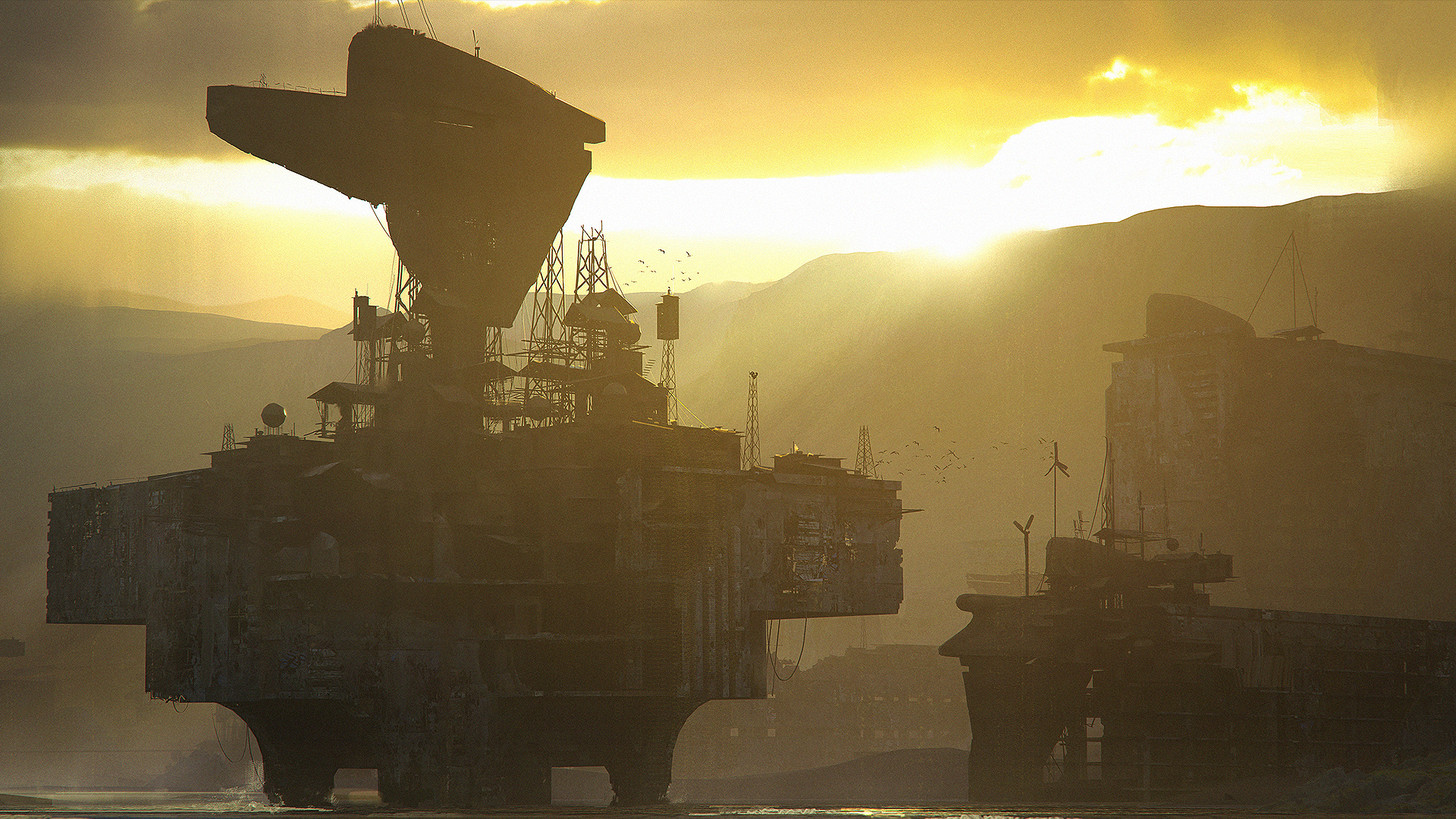
Six people in a Stockholm apartment. That's where Arc Raiders started. Not in a massive studio with hundreds of developers and a clear design document. In an apartment, with a handful of ex-DICE veterans who had collectively shipped over 20 games and were now asking themselves a dangerous question: are bigger games actually better games?
Embark Studios has released the first episode of "The Evolution of ARC Raiders," a three-part documentary series produced in partnership with filmmaker Danny O'Dwyer. And it tells a story that most studios would never willingly share — the story of a game that was publicly revealed, internally killed, rebuilt from scratch, and became the biggest extraction shooter success story in gaming history.
Here's everything we learned.
The Founding of Embark: Escaping the AAA Machine
The documentary opens in Stockholm, and within minutes, you understand the founding thesis of Embark Studios. The core team — Patrick Söderlund, and a group of developers who had spent the better part of two decades at DICE working on Battlefield — were burned out on mega-productions. One developer describes overseeing productions with over a thousand people and asking: "Are the games themselves better? They're at higher fidelity, but are they actually better games?"
That frustration became Embark's mission statement. Build smaller. Move faster. Use technology to do more with less.
The studio settled on Unreal Engine early, then invested heavily in proprietary tools and procedural content generation. The goal was to create a pipeline where a smaller team could produce content that would traditionally require hundreds of artists. They weren't just building a game — they were building the tools to build the game.
The first order of business was figuring out what kind of game to make. The initial team sat around a big table and ran what they called "micro pitches" — simple game concepts presented in just a couple of minutes. They did this over and over, and patterns started to emerge. Space travel. Ecological collapse. The rise of AI. Man versus machine. One developer's kid summed up the vibe perfectly: "Oh, new studio, sci-fi game, very original."
But the specific combination of themes — small humans against massive machines in a post-apocalyptic world — kept resonating. The team described it as a Venn diagram between Shadow of the Colossus, Left 4 Dead, and PUBG. Somewhere in the overlap of those three very different games, they believed there was something worth chasing.
Pioneer: The Original Vision
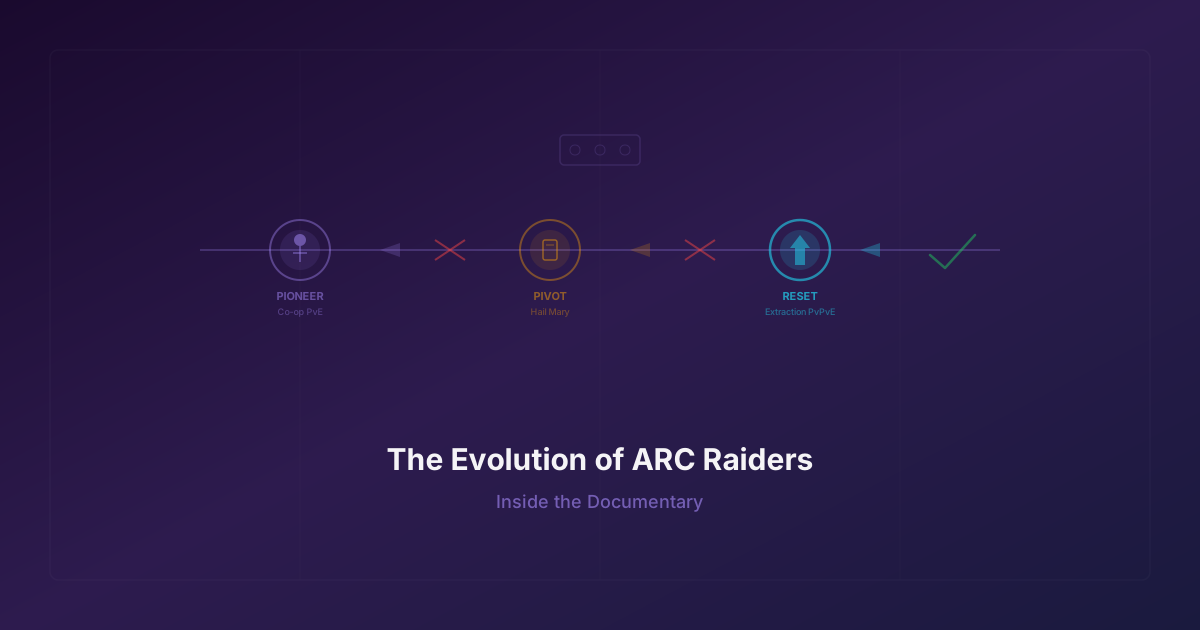
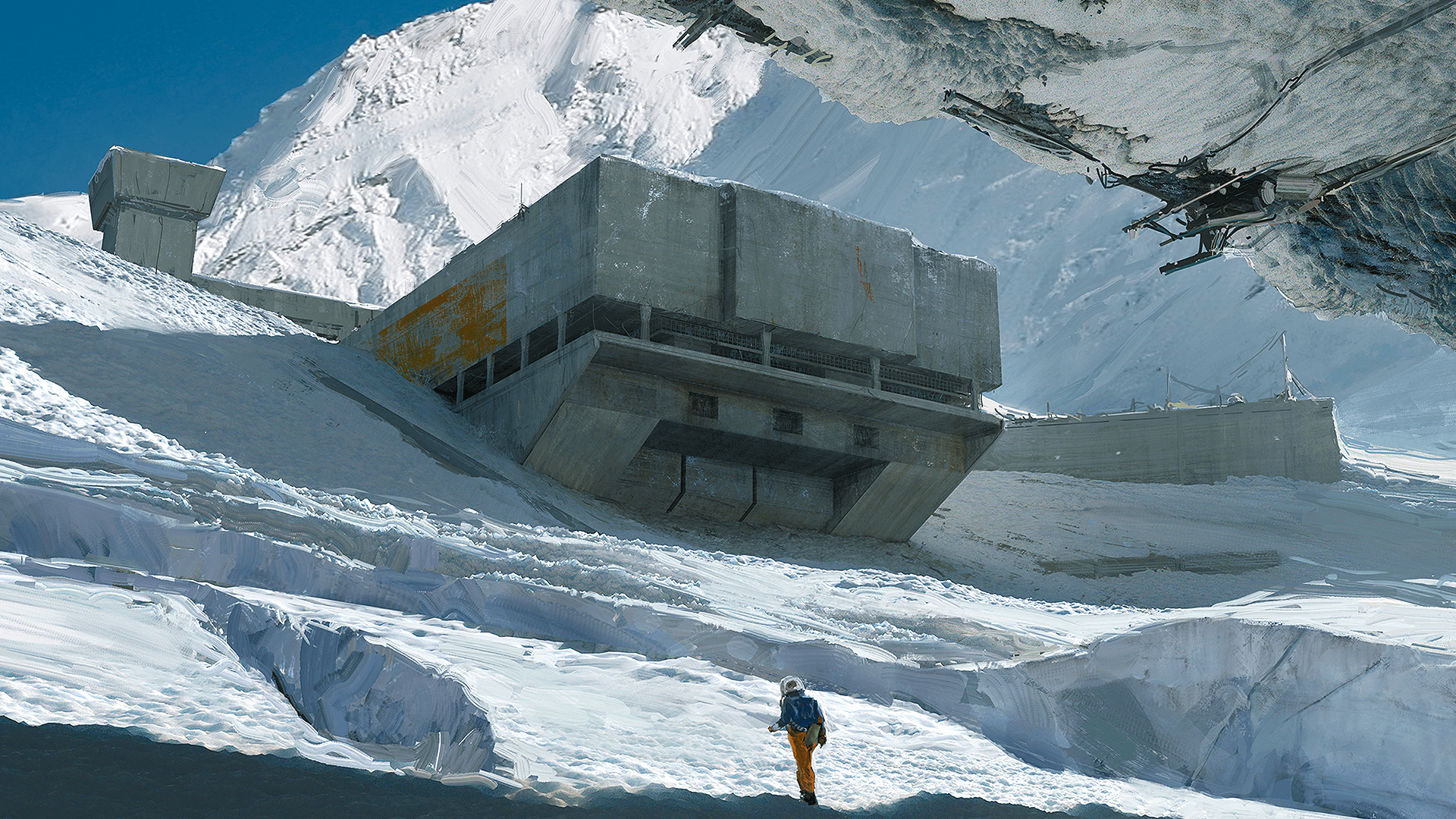
The internal codename was Pioneer, and it was nothing like the Arc Raiders we play today.
Pioneer was a co-op PvE experience. Up to 40 players would drop into a vast open world populated with small machines. As the session progressed, massive boss-class machines would arrive, and the surviving players would converge for these climactic encounters. Players controlled defined hero characters with unique abilities. The game was free-to-play. The movement was bombastic — characters could leap great distances and sprint across wide-open terrain.
On paper, it sounds incredible. In practice, it was a nightmare to make consistent.
The team describes play tests where everything clicked — moments where dozens of players converged on a colossal machine and the emergent chaos created something genuinely magical. But these moments were the exception. For every transcendent session, there were ten where players ran across kilometers of empty terrain with nothing happening. The experience hinged on emotional highs that were impossible to reliably reproduce.
One developer puts it bluntly: "Some people ran in there and like, 'I just got stomped on the head and died immediately.' It's like, 'Oh, sorry.' Yeah. We don't actually control where it's putting its foot."
Another describes arriving at a boss fight only to find other players had already torn three legs off the machine, leaving it crawling helplessly on the ground. "It felt kind of cruel," they recall with a laugh.
The fundamental problem was replicability. In a free-to-play game where retention is everything, you need every session to deliver a baseline level of fun. Pioneer could deliver unforgettable highs, but it couldn't guarantee them.
The Pandemic Problem
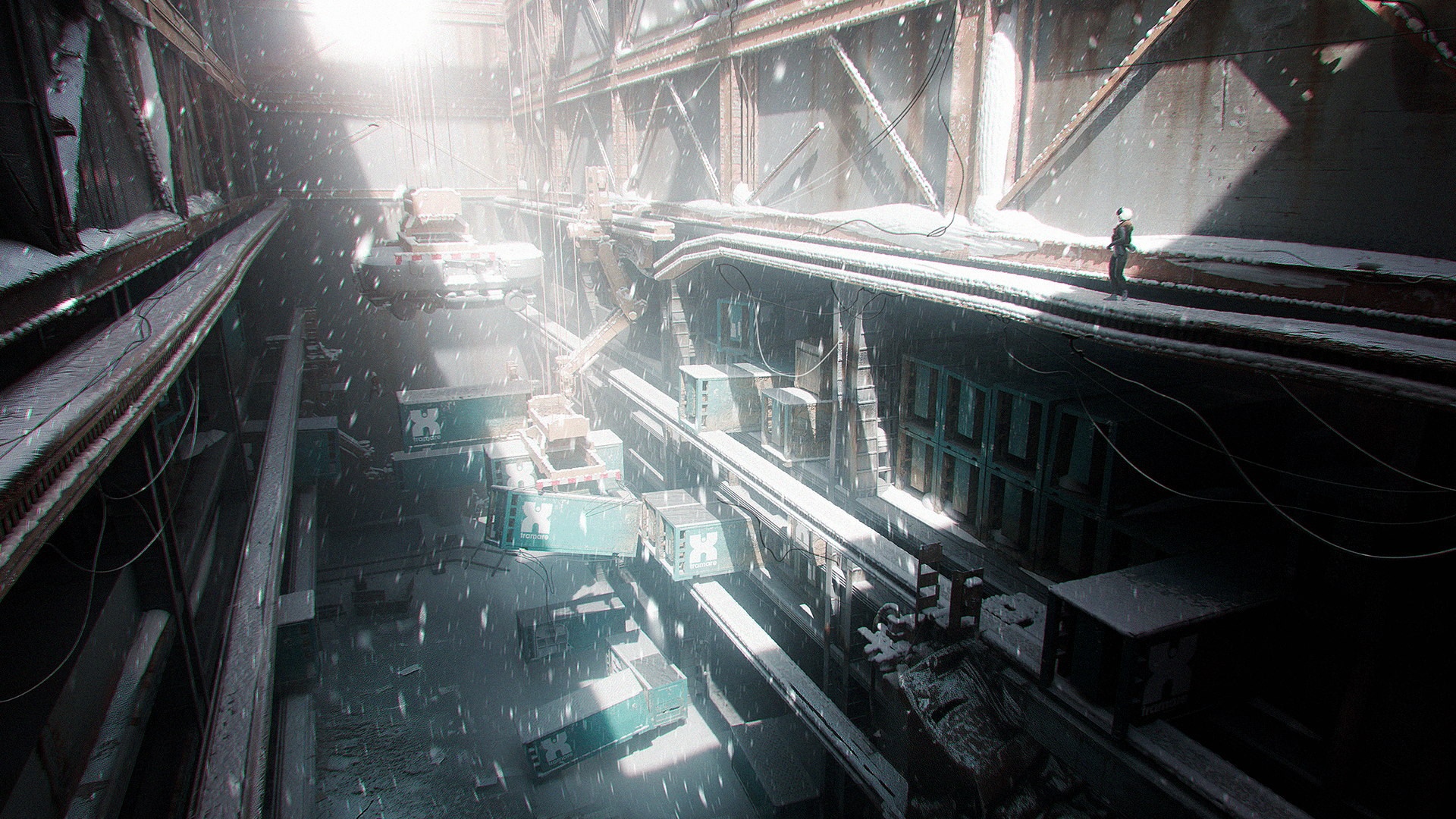
If Pioneer was already struggling to find its identity, COVID made everything worse.
Embark's development process was deliberately loose and collaborative. The team would build things, play together, feel out what worked, and iterate. It was a process that thrived on proximity — people bumping into each other, having spontaneous conversations, solving problems in real time.
Remote work destroyed that rhythm. Departments began drifting apart. Communication got harder. Each milestone felt less cohesive than the last. The organic process that made the studio work as a small team simply didn't translate to everyone being scattered across Stockholm in their apartments.
"We started to drift apart quite a lot," one developer admits. The mixing-pot development style that produced Pioneer's best moments couldn't survive without the mixing pot.
The Pivot: Six Months to Save It
The team entered a six-month phase — known internally as the pivot — where they tried to distill Pioneer's PvE formula into something that would deliver satisfying rounds more consistently. They scaled the game down dramatically, focusing on a single area and a single encounter loop.
The most successful version placed players in the Spaceport level, fighting through waves of ARC machines before culminating in a large robot boss fight inside the hangar. This version — internally called Milestone 12 or M12 — is consistently described as the strongest the game had ever been. Multiple developers reference it as the benchmark they kept returning to.
But even M12 couldn't solve the core problem. One developer describes his first task during this phase: creating a timeline for shipping the game. After talking to the entire team and understanding the scope, he estimated they needed around two years. The response? "No way. We have six months." The resulting plan was literally called the "Hail Mary Plan."
They ran a closed beta during this period. It confirmed what the leadership suspected: Pioneer had moments of brilliance but no connective tissue. No metagame. No progression system. No reason to come back after you'd experienced the spectacle a few times.
"You'd have these fun sessions for a few times, but there was nothing that actually pulled you back or kept you going forward."
The Reset: Killing the Dream
This is the part of the documentary that hits hardest. The pivot didn't work. The team knew it. And they were left with three options:
- Release what they had and watch the public tear it apart. "We've seen that happen multiple times."
- Shut the project down entirely. "We've seen that multiple times too."
- Keep the world, the lore, the machines, and the technology — but build a fundamentally different game around them.
They chose option three.
Patrick Söderlund had been advocating for PvP since early in the pivot. "I think you need to add PvP," he told the team. Not everyone agreed. The documentary makes clear that many developers — Söderlund himself included — wanted Pioneer's PvE vision to work. But wanting it wasn't enough.
"I understand that a lot of people, and frankly me included, wanted this to be a PvE game," one developer says. "And I wanted for our vision to work. But when it doesn't work, you have two options — well, three."
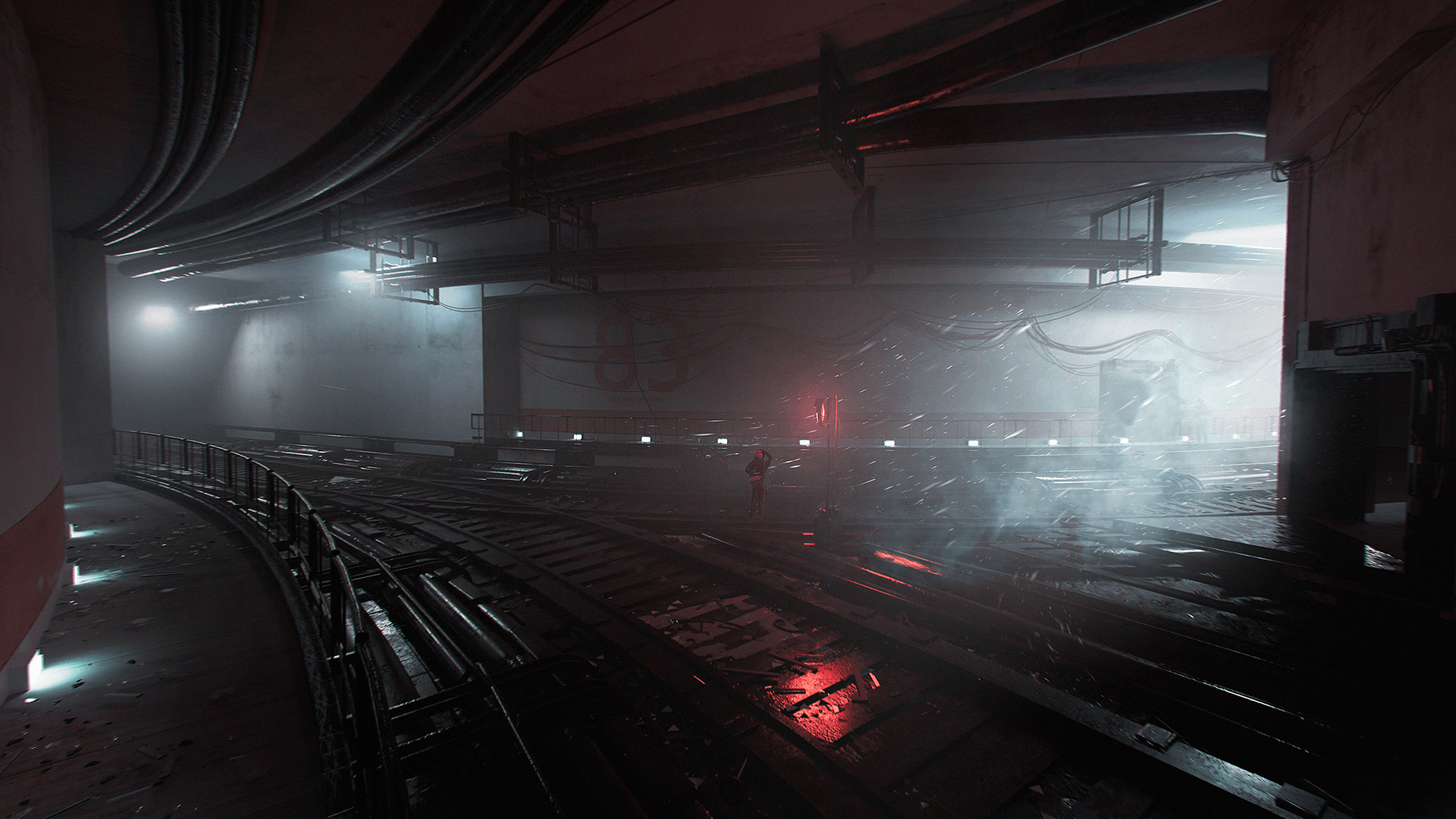
This phase, the most significant beat in Arc Raiders' development, is known internally as the reset. It wasn't just adding PvP to the existing game. It was a fundamental reimagining of how sessions would play out. The feel of being a Raider flipped completely: in Pioneer, players dominated the machines. In the new Arc Raiders, players fear them.
"In the reveal trailer, what we were literally selling to our players is that we are dominating the machines. We're jumping on top of them, smashing them. That's been flipped around, and I think that's for the better."
What Survived the Reset
Not everything from Pioneer was thrown away. The documentary details a careful triage of what to keep:
The world. The environments were already compelling. One developer describes walking through empty hallways in an early build and thinking: "I just want to explore this place. I want this to be more than just a static backdrop." The extraction format gave those environments a purpose — they became places to scavenge, hide, and fight over.
The machines. The ARC enemies, their physics-driven locomotion technology, and the destruction systems all carried forward. The way machines lose limbs and struggle to stay standing — that tech was too good to abandon. (The documentary teases a full episode dedicated to the locomotion technology, which uses training-based AI to make the machines walk and react dynamically.)
The brand and IP. The 2021 reveal trailer had generated massive public interest. The team saw the response and knew the world of Arc Raiders had an audience. They just needed to put a better game inside it.
What they added: PvP and the extraction loop. The human element was the missing piece. As one developer explains: "When you play against other humans, that finite distance gets closer to infinite. Now you have all the permutations of human behavior in the session." The machines became environmental hazards — noise traps that alert other players, obstacles that force tactical decisions, emergent chaos generators.
What they cut: heroes, bombastic movement, and free-to-play. The hero characters were gone. The high-flying, power-fantasy movement was replaced by grounded, survival-oriented traversal. And the free-to-play model — which demanded impossible retention metrics — was dropped in favor of a premium price. (The documentary teases that the full reasoning behind dropping F2P will be covered in a later episode.)
What This Means for the Industry
This documentary matters beyond Arc Raiders fans. It's one of the most transparent looks at a major studio killing and rebuilding a game that we've gotten since the Anthem or Cyberpunk post-mortems — except this one has a happy ending.
A few takeaways:
The "amazing moments" trap is real. Pioneer could create incredible, once-in-a-lifetime gaming experiences. But a game that's magical 10% of the time and boring 90% of the time is not a viable product. Consistency beats spectacle. Every extraction shooter developer should internalize this lesson.
Proximity matters for creative work. The pandemic didn't kill Pioneer, but it accelerated its problems. The loose, collaborative development style that small studios thrive on requires physical presence. Remote work can sustain established pipelines, but it's terrible for the messy, iterative process of figuring out what a game is.
Knowing when to reset is the hardest skill in game development. The sunk cost of Pioneer — years of work, a public reveal, player expectations — made the reset agonizing. But the alternative was releasing a game that didn't work or canceling it entirely. Embark chose the harder path, and 12 million copies later, it was clearly the right one.
Free-to-play isn't always the answer. Pioneer's F2P model demanded session consistency that the game couldn't deliver. Moving to premium pricing gave the team room to build something with more friction, more tension, and more meaningful progression. Not every game benefits from being free.
What's Coming Next
This is part one of a three-part series. The next episodes will cover:
- Episode 2: How combat, the loot system, audio design, and world-building evolved after the reset — and the full story of why Embark dropped free-to-play.
- Episode 3: The bleeding-edge locomotion technology powering the ARC machines. The team teases that their system uses training-based AI to make machines walk and lose limbs dynamically, creating emergent behaviors that are genuinely new to gaming.
For a game that's already sold 12 million copies and peaked near 500,000 concurrent Steam users, this documentary series is Embark doing something rare — looking back honestly at the failures that made their success possible. Most studios bury their development struggles. Embark is putting them on YouTube.
If you're interested in game development, extraction shooters, or just want to see what it looks like when a studio stares down the barrel of a failed project and decides to rebuild instead of quit, the full first episode is worth the 27-minute watch.
Sources

Founder of GGS Blog and Site Reliability Engineer at Box. I write about gaming, AI in gaming, and game development with a technical lens — 10+ years in software engineering, 20+ years as a gamer. My work focuses on what the tech actually means for players.
Never miss a post
Subscribe to the GGS Blog newsletter for gaming news, tech insights, and AI in the game industry — delivered straight to your inbox.
Free. No spam. Unsubscribe in one click.
Comments
What to Read Next
Continue exploring our coverage of gaming, technology, and AI.
 Game Development
Can a Solo Dev Ship an iOS Game in 2026 Using Only AI Tools? (Build Log, Day 0)
Day 0 of a build log: I'm going to attempt to ship an iOS game to the App Store in 2026 using AI tools for as much of the work as possible. Today is reconnaissance — what AI can actually do, what it can't touch, and three falsifiable predictions for the next checkpoint.
 Game Development
The Jobs Don't Come Back: What It Means to Be a Game Developer in 2026
Over 45,000 gaming jobs have been cut since 2022, and 55% of those laid off still haven't found new work. The Skillsearch 2026 report puts human numbers to a crisis that studios are now describing as permanent — and the people who built the games you love are the ones paying for it.
 Game Development
What Does a $200 Million Game Have to Sell to Break Even?
Three AAA live-service launches in April 2026 — Pokémon Champions, Crimson Desert, and Marathon — are testing whether the industry's standard playbook for recovering from a rough launch can actually work at this scale.